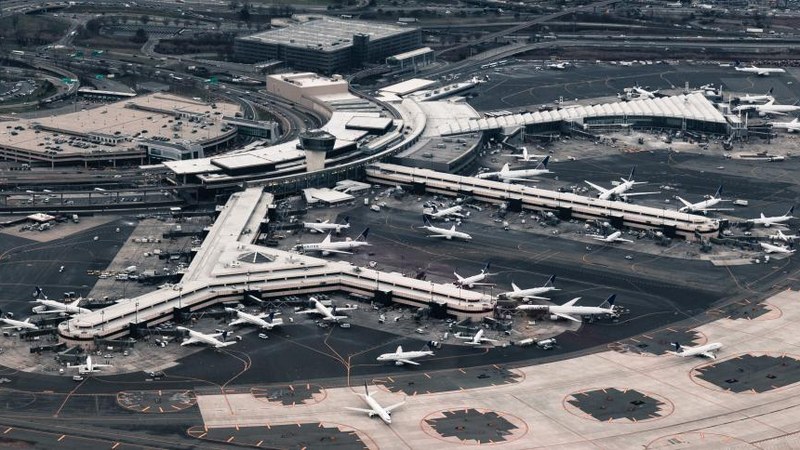
On Sunday morning, August 2, 2026, approximately 4,400 WestJet flight attendants initiated a strike, grounding around 600 WestJet flights nationwide. At Vancouver International Airport (YVR), the halt of WestJet mainline operations caused 88 flight cancellations, equating to about 10% of the airport’s daily scheduled flights. This widespread work stoppage has led to a suspension of bookings for WestJet mainline flights through at least August 5, 2026, with the possibility of an extension if no new agreement is reached.
About 250,000 passengers across Canada have faced major travel disruptions amid these cancellations, particularly over the August long weekend. Customer service channels
have been overwhelmed, with some passengers encountering wait times of up to 19 hours. Mike and Ashton Phenix from Okotoks, Alberta, reported enduring nearly 19 hours on hold trying to rebook flights disrupted by the strike. Similarly, David Miller of Calgary described being stranded in Cancun with his family after flight cancellations and experiencing extensive hold times seeking assistance. Passengers have been cautioned not to cancel or modify bookings independently, as doing so risks forfeiting their rights under Air Passenger Protection Regulations.
Proposed Contract Terms and Statements from Key Figures
WestJet proposed a contract package including a 13% wage increase effective October 1, 2026, followed by annual raises
of 2.5% through 2029, and retroactive pay from January 1, 2026. The offer included additional enhancements such as a 12% salary premium for all hours worked, a $300 annual healthcare spending account, increased meal allowances, a fifth vacation week after 25 years of service, and improved maternity leave benefits. WestJet CEO Alexis von Hoensbroech expressed disappointment regarding the strike, stating, “We’re disappointed to be here; this directly impacts the travel plans of our guests, our WestJetters and the communities and businesses we serve.”
CUPE Local 8125 leader Alia Hussain said the union rejected the offer and justified the strike by
saying, “We are on strike because we believe we deserve better.” Federal Jobs Minister Patti Hajdu described the strike as a “disappointing development” and urged both parties to continue negotiations toward resolution.
Regulatory Context and Passenger Rights
Under the Canadian Air Passenger Protection Regulations (APPR), flights cancelled due to the strike are classified as outside the airline’s control. Consequently, standard cash compensation for inconvenience is not payable. Passengers must be rebooked free of charge on the next available flight within 48 hours, including flights operated by partner airlines. If WestJet cannot provide re-accommodation within that timeframe, it is obligated to purchase alternate transportation for affected
passengers regardless of cabin class. Full refunds are also permitted.
Advocates warn passengers not to cancel their bookings preemptively, as doing so negates their protection entitlements. Passenger advocate Gábor Lukács advised, “If they don’t get back to you within three hours of the cancellation of your flight, I would go and buy myself a ticket at another airline on the basis that WestJet has broken its obligation to provide alternative transportation and therefore you are doing what is reasonable and rebooking yourself.”
Ongoing Operations and Industry Context
WestJet Encore flights operating Q400 turboprop aircraft continue running despite the strike, as these crews are under a
separate union agreement. Due to the strike’s impact, WestJet has suspended bookings through August 5, 2026, with further extensions possible. The strike represents one of the most challenging labor disputes in WestJet’s history, a carrier credited with pioneering low-cost air travel in Canada and significantly increasing the domestic flying population over three decades.