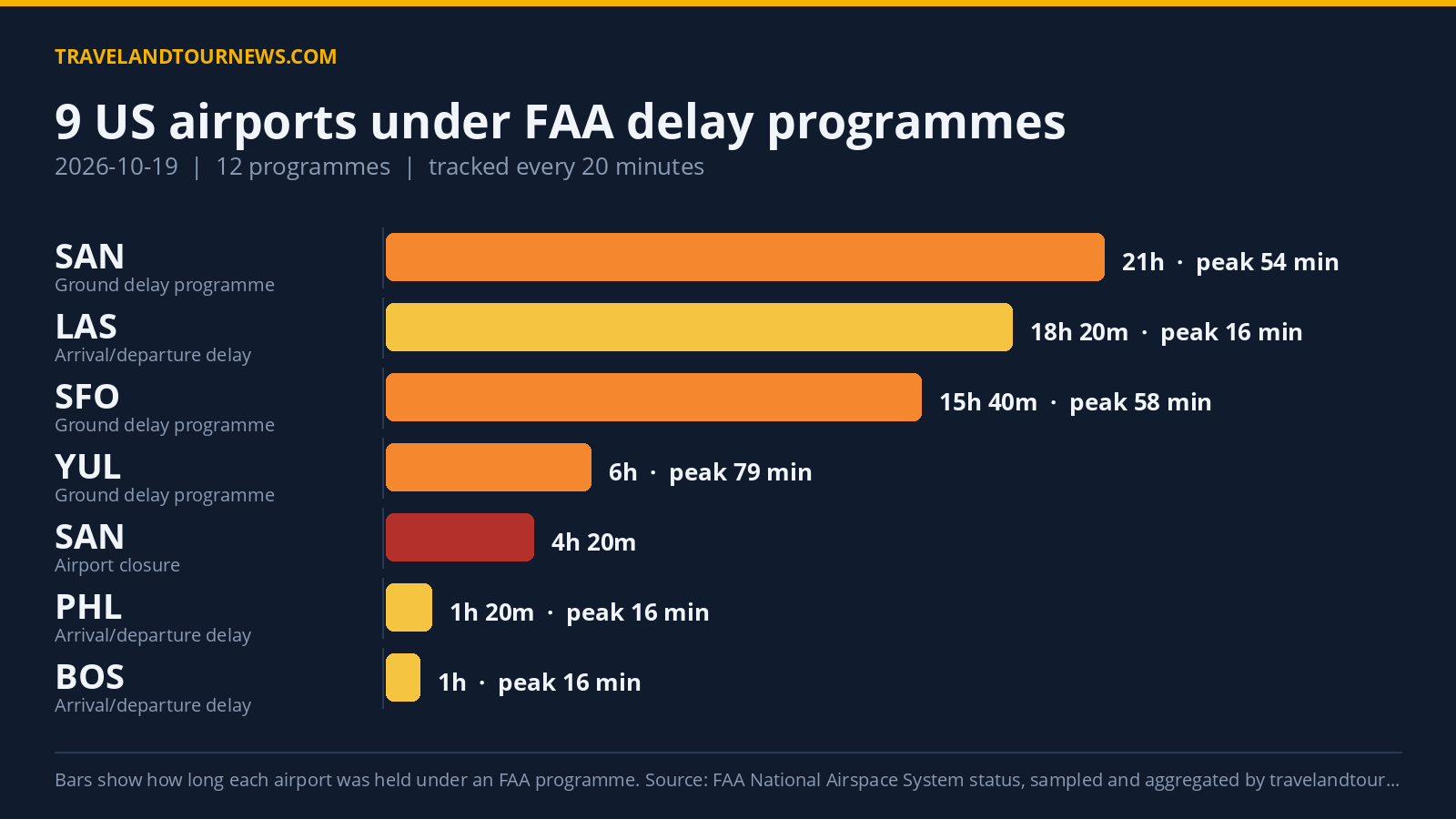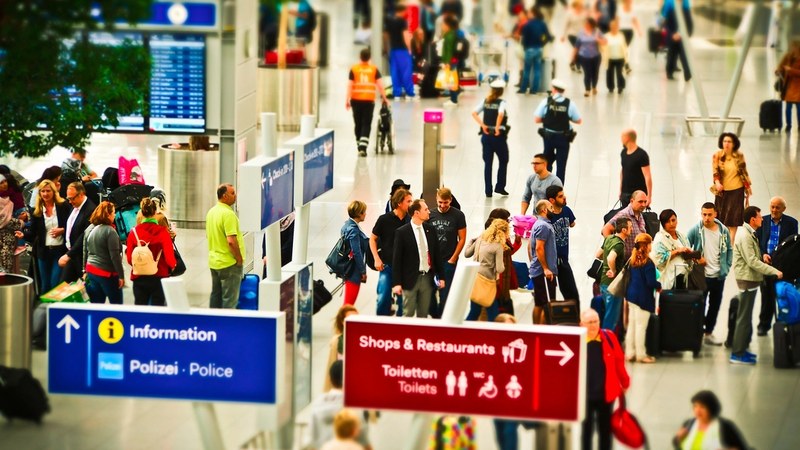
U.S. airports recorded 5,418 flight delays and 576 cancellations nationwide on August 2, 2026. These disruptions were caused by severe thunderstorms and a cabin crew strike at WestJet, significantly impacting flight operations across key hubs.
Thunderstorms and WestJet Strike Impact Flight Operations
Severe thunderstorms repeatedly reduced arrival and departure rates at major airports, prompting the Federal Aviation Administration (FAA) to implement Ground Delay Programs. The WestJet cabin crew strike led to 495 cancellations, primarily disrupting transborder routes between Canada and the United States, according to FAA status data.
Florida and Northeast Airports Face Major Disruptions
Florida airports were prominent delay centers, with Orlando Airport experiencing 446 delays, Fort Lauderdale Airport 250, and Tampa Airport
224. Northeast airports accounted for the highest cancellations in the region: LaGuardia Airport had 122 cancellations and John F. Kennedy International Airport recorded 101 cancellations amid capacity contractions.
Congestion at Major Hubs Including Atlanta and Reagan National
Hartsfield-Jackson Atlanta International Airport and Reagan National Airport faced severe congestion. Reagan National had 88 cancellations caused by local storm fronts, further straining its operational capacity during the weather event.
Operational and Passenger Challenges During Disruptions
The widespread delays and cancellations created operational difficulties across the U.S. air travel network. Passenger terminals experienced congestion, and airport operators were challenged to maintain adequate staffing at gate lines and baggage drop zones during high-volume check-in periods to assist affected travelers.
This situation exposed limited spare capacity in U.S. summer flight schedules. Capacity reductions at primary hubs such as LaGuardia and Atlanta led to cascading delays nationwide. Airlines face the necessity to maintain reserve flight crews and optimize aircraft rotations to manage recovery cycles effectively.