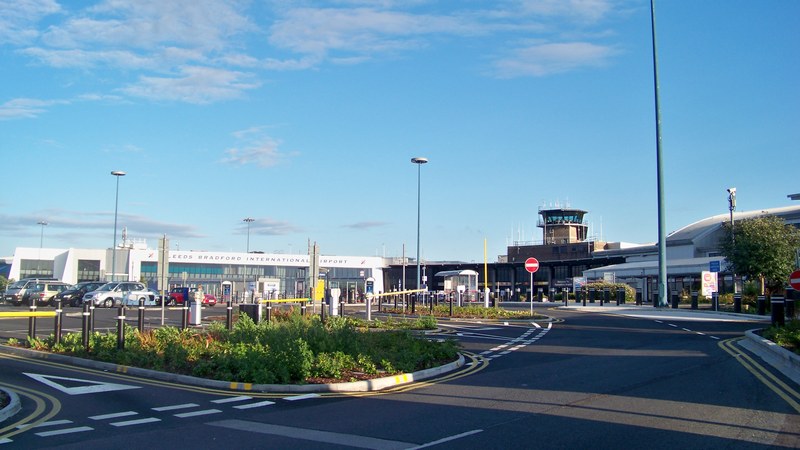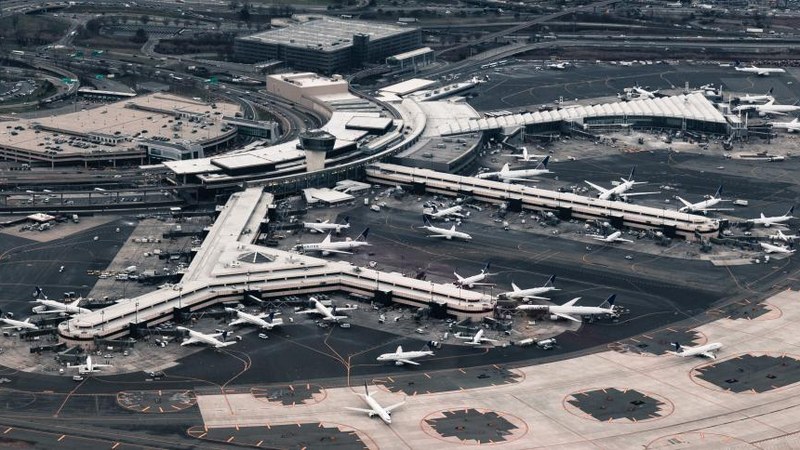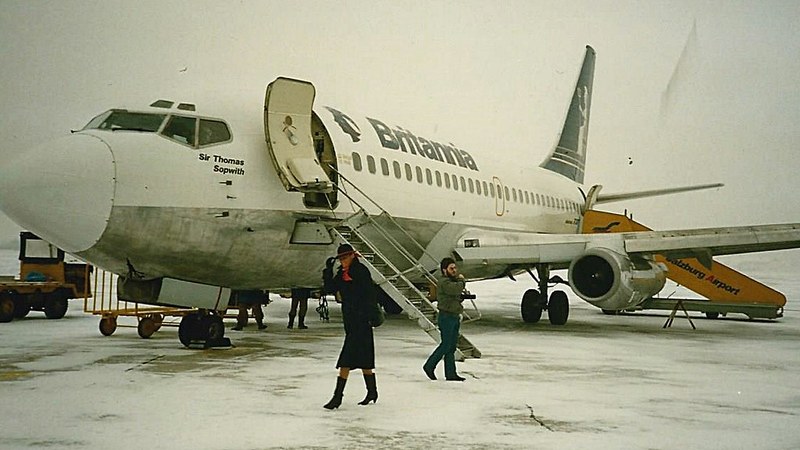
WestJet’s 4,400 flight attendants began a strike early on August 2, 2026, leading to the cancellation of more than 300 mainline flights across Canada and affecting roughly 250,000 passengers, according to multiple sources including 650 CKOM. Key routes cancelled included departures from Saskatoon International Airport to Calgary, Toronto, Vancouver, and Minneapolis-St. Paul, as well as Regina International Airport flights to Toronto, Halifax, and Vancouver.
Flight attendants from CUPE Local 8125 and CUPE Saskatchewan President Kent Peterson picketed at Saskatoon International Airport despite it not being a WestJet base. The strike created major disruptions for passengers stranded at affected airports. Jarod
Eagles at Regina International Airport was unable to complete his trip to Phoenix due to cancelled connections, stating, “What’s the point of getting to Calgary if I have no other option?” Some passengers, including Carissa Fontaine and Karissa Sehn, were forced to spend the night at Toronto Pearson Airport amid ongoing cancellations.
Strike Background and Contract Dispute
The strike followed over 200 days without a collective agreement after WestJet’s contract expired on December 31, 2025. The union and airline failed to reach a new deal in Calgary negotiations concluding just before the strike. Main issues centered on compensation for all work time, especially pay for
ground work before and after flights. WestJet had proposed a contract including a 13% wage increase starting October 2026, retroactive pay to January 1, and an additional 12% premium for unpaid work. CUPE Local 8125 president Alia Hussain rejected the offer, emphasizing the need for comprehensive pay reforms.
WestJet CEO Alexis von Hoensbroech expressed disappointment, stating the company had made a proposal that would have set a new Canadian standard by paying hourly for all time before and after flights combined with a double-digit wage increase. He urged union leaders to reach an agreement promptly to resume service.
Passenger Impact and Airport Responses
At Regina
International Airport, President and CEO James Bogusz reported that the strike removed approximately 600 to 700 seats from the city’s air service market on August 2, representing about 60% of the airport’s seat capacity linked to WestJet flights. Despite the cancellations, the terminal remained relatively quiet with additional staff deployed to assist passengers seeking alternative arrangements. WestJet Encore continues operating normally but passengers face connection risks given mainline cancellations.
Passengers experienced long waits to reach WestJet customer service, with reported hold times up to seven hours. Refunds and re-accommodations were offered, but some travelers faced difficulty getting timely assistance. Jarod
Eagles remarked on the limited alternatives and high costs for last-minute flights with other airlines, adding that airport staff were trying to help amid the disruption.
Government and Union Statements
Canada’s Jobs Minister Patty Hajdu commented that a strike does not prevent the parties from reaching an agreement and anticipated negotiations to continue at the bargaining table. CUPE Saskatchewan President Kent Peterson criticized WestJet’s failure to compensate flight attendants fully, stating, “Every worker should be paid for every second they are at work, and unfortunately that is just not the case for WestJet’s cabin crew.” The union called for government non-interference to allow the
bargaining process to progress.
Ongoing Negotiations and Outlook
Negotiations resumed in Calgary the weekend of the strike as both sides maintained efforts to avoid prolonged disruption. WestJet issued a lockout notice after the union declared strike action. The airline operates over 600 daily flights with more than 70,000 passengers carried sometimes each day, making the strike a costly event during a high-demand summer travel period.
Restarting mainline WestJet service is expected to take time even after a deal is reached, according to Regina International Airport officials. Past strikes, including a 2025 Air Canada flight attendants strike over similar ground work pay issues, serve as
context for ongoing challenges in North American airline labor relations.