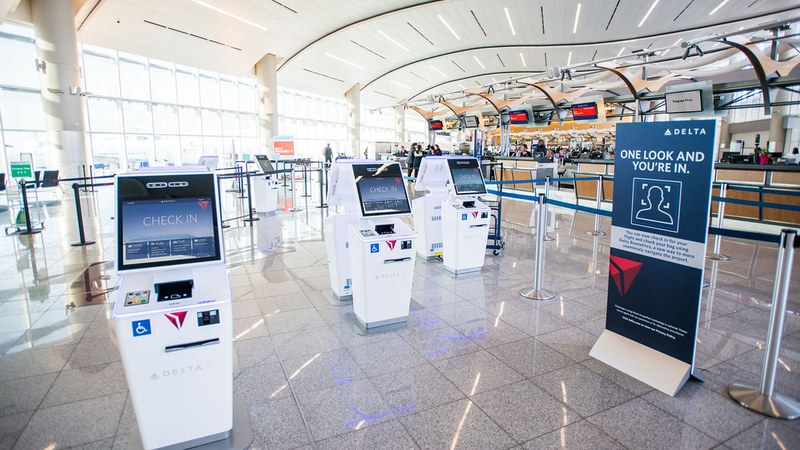
On August 2, 2026, the Federal Aviation Administration (FAA) implemented a ground stop at Hartsfield-Jackson Atlanta International Airport (ATL), resulting in cancellations and significant delays for more than half of Delta Air Lines’ scheduled flights at its primary hub.
Impact on Delta’s Network Operations
The ground stop, which barred departures except for aircraft already airborne, disrupted Delta’s hub-and-spoke system. This disruption caused cascading delays and cancellations across other Delta hubs and focus cities in the United States. Aircraft, crews, and passenger connections at Atlanta rapidly became misaligned, producing a ripple effect that hampered flights downstream and incapacitated portions of the carrier’s domestic network throughout much
of the day.
Passenger Experience and Operational Strain
Passengers at Atlanta faced crowded terminals with long lines for customer service and rebooking assistance. Mobile applications intended to manage bookings were intermittently overwhelmed by the volume of users seeking flight changes. Hotel rooms near the airport ran short, forcing many travelers to spend the night in the terminals. Rebooking options narrowed especially for those connecting to smaller cities dependent on Delta’s Atlanta hub, exacerbating the situation for many travelers.
FAA Ground Stops and Delta’s Scheduling Vulnerability
The FAA employs ground stops to control aircraft flow during operational constraints such as severe weather or equipment issues. When a major hub like Atlanta undergoes a
ground stop, airlines operating hub-and-spoke networks like Delta experience significant operational setbacks. Delays in departures, rerouted arrivals, and crew duty time limits increase cancellations as the network struggles to recover. Delta’s high aircraft utilization and tight scheduling provide little margin for such disruptions, a weakness highlighted by recurring issues during recent peak travel periods.
Passenger Guidance and Industry Recovery Challenges
During widespread cancellations, travelers often face diminishing rebooking options quickly and should be aware that delays can extend through subsequent days. Industry experts note that recovery speed following a ground stop influences regulatory and consumer assessments of airline readiness. Passengers affected by cancellations at Atlanta’s hub
have limited alternatives as routes heavily rely on this centralized node. Some travelers may consider connecting flights from nearby airports or ground transportation where feasible, as rebookings on Delta’s network become constrained in the immediate aftermath.