The Federal Aviation Administration (FAA) implemented a nationwide ground stop for American Airlines flights shortly after 7 p.m. EDT on July 28, 2026, caused by an information-technology issue affecting the carrier’s systems. This action halted all American Airlines departures within the United States until the disruption was addressed.
By 8:10 p.m. EDT, the FAA’s Air Traffic Control System Command Center lifted the nationwide restriction. Flight tracking data confirmed American Airlines flights resuming operations, including flight AA100 departing from New York John F. Kennedy International Airport (JFK) to London Heathrow Airport (LHR) at 7:24 p.m. EDT and flight AA1069 from Pittsburgh
International Airport (PIT) to Miami International Airport (MIA) at 7:47 p.m. EDT.
Despite the clearance to resume nationwide operations, two airport-specific ground stops persisted following the lifting of the national hold. Charlotte Douglas International Airport (CLT) maintained a ground stop affecting American Airlines’ mainline and subsidiary flights departing from all terminals. Simultaneously, Miami International Airport (MIA) enforced a ground stop limited to American Airlines mainline services. The FAA categorized these as “Other / Carrier Request” ground stops, without clarification on whether these were residual effects of the IT outage or separate operational measures.
The FAA defines a ground stop as
a traffic-management tool that prevents affected departures from entering the national airspace system but does not affect aircraft already in flight. According to the FAA’s National Airspace System status guide, ground stops are coordinated through the Air Traffic Control System Command Center alongside relevant FAA facilities and industry partners to manage flow safely and efficiently during disruptions.
Concurrently, several Northeast and Mid-Atlantic airports experienced weather-induced ground stops and delay programs due to thunderstorms. Boston Logan International Airport (BOS), Newark Liberty International Airport (EWR), Philadelphia International Airport (PHL), Baltimore/Washington International Airport (BWI), Ronald Reagan Washington National Airport (DCA), JFK, and LaGuardia
Airport (LGA) were among those affected. These weather-related restrictions, operating simultaneously with American Airlines’ IT outage, compounded air traffic challenges in the region.
American Airlines issued a statement acknowledging “a technology issue briefly impacted connectivity for some of our systems.” The carrier had not disclosed the specific systems affected, cause of the failure, total duration of the ground stop, or the overall number of delays and cancellations attributed to the IT outage by the time of reporting.
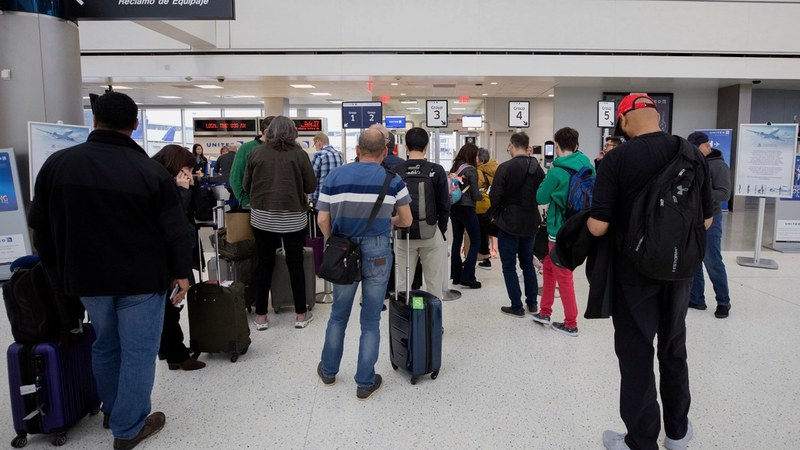
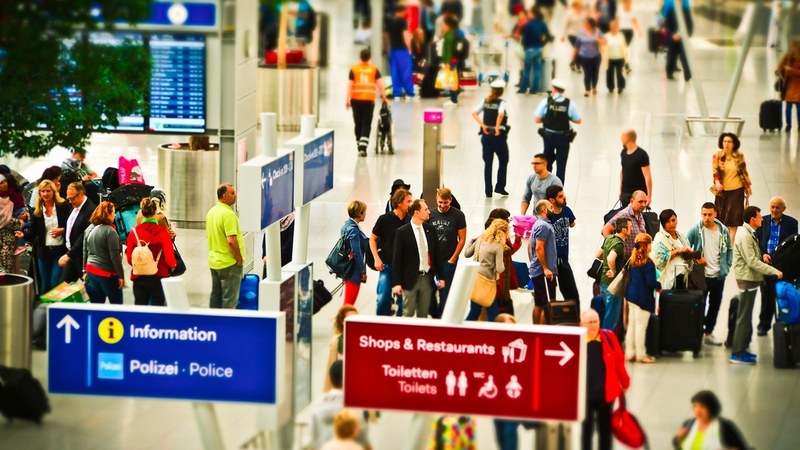
The ground stop delayed all American Airlines flights that had not yet departed, causing backlogs in departure queues and gate availability. Passengers faced
disrupted connections especially at airports under airport-specific ground stops such as Charlotte and Miami. Travelers were advised to monitor American Airlines’ flight-status tool or app for ongoing updates, especially when travelling through affected airports.
No evidence links this July 28, 2026 outage to a separate brief nationwide technical interruption American Airlines experienced on December 24, 2024. Additionally, there is no confirmed association with any third-party vendors, cybersecurity incidents, or specific IT infrastructure providers. Industry observers caution that such IT outages reveal persistent vulnerabilities in airline operations but refrain from assigning cause without official confirmation.