Widespread Flight Delays and Cancellations at Newark Liberty International
Newark Liberty International Airport has recently experienced extensive operational challenges marked by hundreds of flight delays and numerous cancellations. Specifically, the airport recorded over 280 delays and more than 20 cancellations affecting key carriers including United Airlines, Republic Airways, Jazz Aviation, and American Airlines. These disruptions have impacted significant routes connecting Newark to cities such as St. Louis, Toronto, Kansas City, and others, complicating travel plans for many American passengers.
The scale of these delays at Newark highlights ongoing difficulties across major hubs where airline technology setbacks have led to cascading operational impacts. This airport alone illustrates the significant strain
on U.S. air travel caused by current technological issues within airline networks and airport systems.
Nationwide Impact Evident at Major U.S. Airports
Beyond Newark, similar troubles have been recorded at other key airports across the country. Philadelphia International reported a substantial number of flight disruptions, with approximately 120 cancellations and 100 flight delays involving carriers such as American Airlines, Piedmont, Republic Airways, and United Airlines. These interruptions affected critical routes spanning Chicago, Dallas, Toronto, and additional destinations.
Denver International Airport also saw significant turbulence, recording 11 flight cancellations alongside nearly 700 delays. Airlines operating there include United, Southwest, JetBlue, Lufthansa, British Airways, and SkyWest. These delays not
only affected flights in Denver but caused knock-on effects reaching airports like Toronto Pearson, London Heathrow, and Hartsfield-Jackson Atlanta International Airport.
Other hubs, including Chicago Midway and San Antonio International, encountered travel slowdowns contributing to nationwide operational strain. San Antonio, for example, had 85 delays and 15 cancellations impacting domestic and international routes serviced by American Airlines, United, and Delta.
Traveler Disruptions and Operational Challenges During Peak Travel Periods
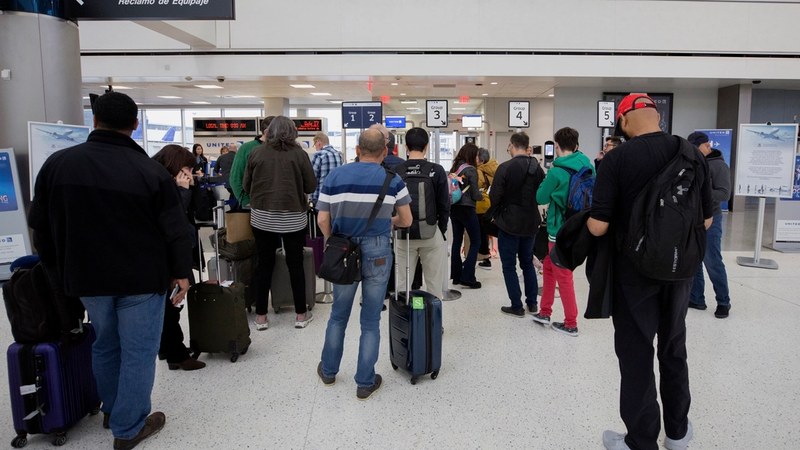
The airline technology breakdowns have led to considerable frustration among travelers, who have faced extended waiting times, missed connections, and in some cases, being stranded within terminal areas at peak travel times. The breadth of these problems across major U.S.
airports suggests that both domestic and international passengers are encountering difficulties in maintaining their travel schedules.
Operational setbacks have affected airlines across the board, including the country’s largest carriers, compounding the challenges of keeping flights on time. The disruptions have cascading effects on flight rotations, gate assignments, and crew schedules, which in turn create a more complex landscape for airline management during times of technology failure.
Travelers planning trips involving affected hubs are advised to monitor airline communications closely and prepare for potential delays or cancellations. Flexible travel arrangements and early airport arrival times may help mitigate unexpected impacts.
Broader Implications for U.S. Air Travel Infrastructure
The
current series of airline technology failures raises concerns about the resilience of operational systems at major U.S. airports. With top airlines such as United, Southwest, American, and Delta experiencing simultaneous setbacks, the disruptions shed light on vulnerabilities within the aviation sector’s infrastructure.
These issues come at a critical time when airports and airlines are managing high passenger volumes, underscoring the need for improved technological reliability. While specific causes and recovery timelines remain undisclosed, the ongoing challenges have resulted in widespread travel chaos across multiple hubs, noticeably impacting both passenger experience and airline efficiency.
Airline passengers navigating this environment should remain
vigilant by checking for real-time updates and planning accordingly to reduce the risk of prolonged delays during their journeys.