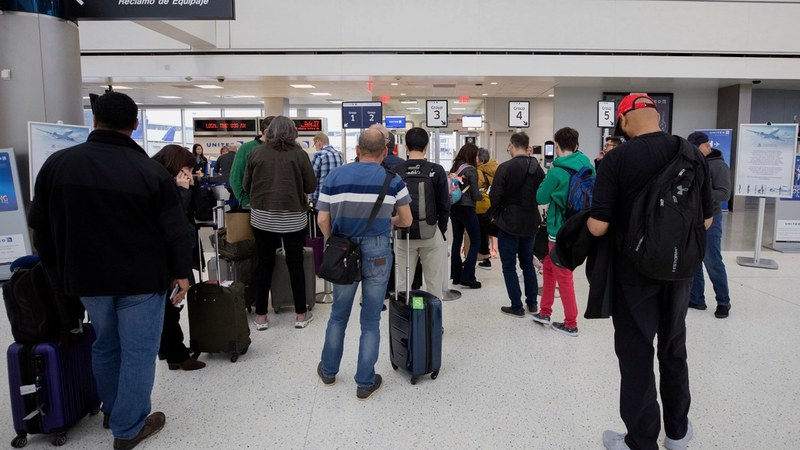
More than 640 flights were canceled at Chicago’s two main airports on July 28, 2026, as violent storms and an expanding heat wave disrupted transportation in the US Midwest and East Coast. The Chicago Transit Authority suspended some commuter rail lines to clear storm debris from tracks, while thousands of travelers faced delays and cancellations across the region.
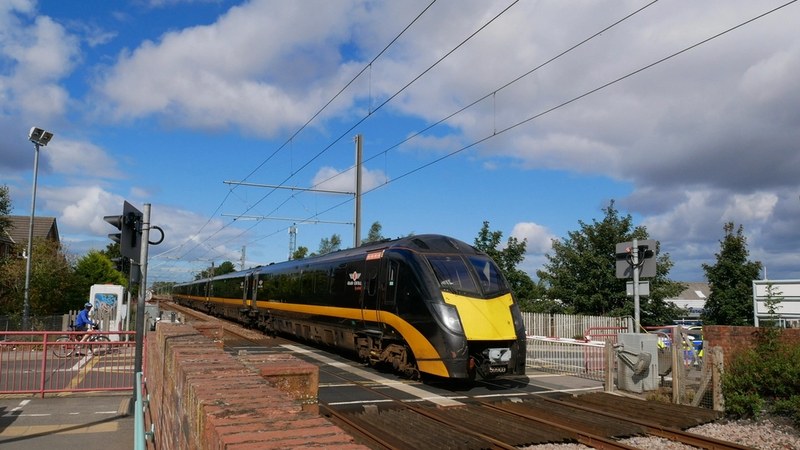
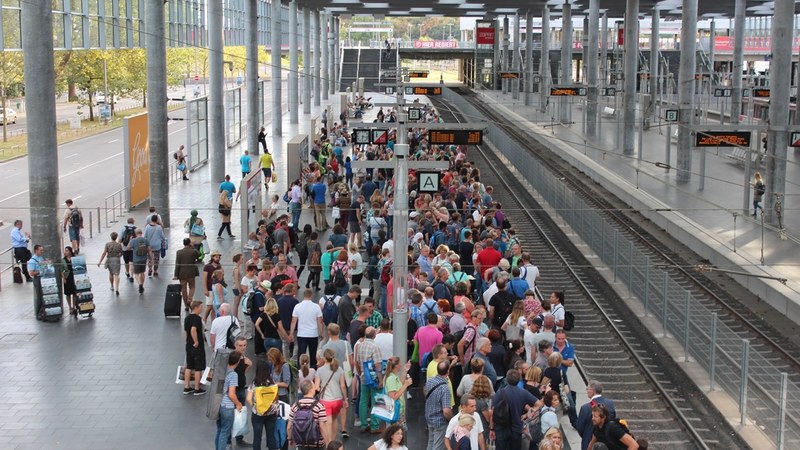
Amtrak reported slowing trains and delays on routes passing through Chicago, St. Louis, New Orleans, and Houston due to heat-induced track warping. This disruption compounded challenges for rail passengers amid soaring temperatures and storm damage.
Heat Wave Extends Across Central and Southern US
A heat wave stretching from the Great
Plains to the Great Lakes and Deep South affected more than 165 million people under heat warnings or advisories by the afternoon of July 27, 2026. St. Louis was forecast to reach 91°F (33°C) on July 29, with a heat index near 100°F. Dallas expected a high of 103°F, with a heat index reaching 111°F on the same day.
Temperature records were at risk of being broken in Colorado, Kansas, Oklahoma, the Texas Panhandle, and along the Gulf Coast. Spot electricity prices surged amid the heat wave, with costs hitting $441 per megawatt-hour at the Southwest Power Pool’s North hub
and approximately $350 per megawatt-hour at the Midcontinent Independent System Operator’s Minnesota hub as demand strained power grids.
Severe Storms Cause Power Outages and Tornado Warnings in Midwest
Severe thunderstorms with high winds and tornadoes led to power outages affecting more than 515,000 people across Wisconsin, Illinois, and Indiana on July 28. Tornado warnings were issued for eastern Wisconsin, Chicago suburbs, and Northwest Indiana as the US Storm Prediction Center received numerous reports of destructive winds, downed trees, and large hailstones.
The US Weather Service advised residents to seek shelter in basements or interior rooms on the lowest floors of sturdy buildings and to avoid windows. It further warned that
those outdoors, in mobile homes, or vehicles should move to the nearest substantial shelter to protect themselves from flying debris.
Rail and Flooding Disruptions Beyond Midwest
Amtrak delays extended to routes through St. Louis, New Orleans, and Houston due to track warping from the heat wave. Flooding rains were forecast to affect parts of New York, New Jersey, and Connecticut on July 29, following multiple storms earlier in the month. Manhattan’s Central Park could receive up to three inches of rain, with heavier amounts expected in the Hudson Valley.
Official Weather Forecasts and Advisories
Bob Oravec, senior branch forecaster at the US Weather Prediction Center, described the heat covering “a big
area across the middle section of the country,” adding, “There is still a lot of heat through the Plains for the first half of the week. Then the heat will definitely shift westward.” He noted the heat wave’s movement would provide some relief to the central US but likely increase temperatures across California.
The US Weather Service emphasized, “Move to a basement or an interior room on the lowest floor of a sturdy building. Avoid windows. If you are outdoors, in a mobile home, or in a vehicle, move to the closest substantial shelter and protect yourself from flying debris.”