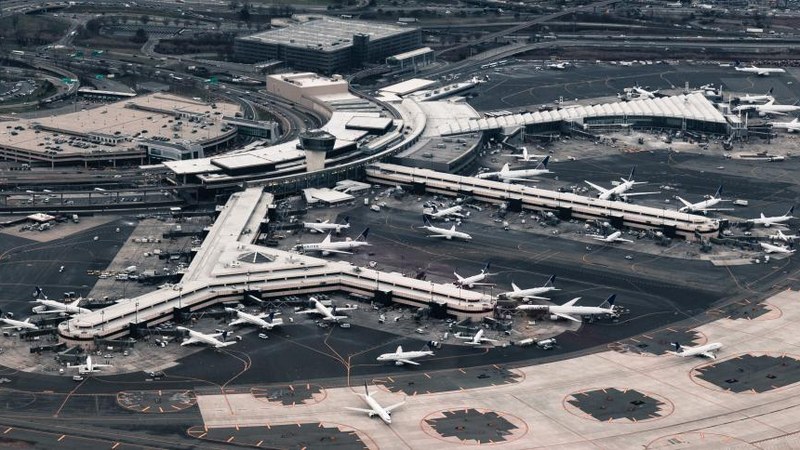
The Federal Aviation Administration (FAA) slowed and delayed flights arriving at John F. Kennedy Airport, LaGuardia Airport, Newark Liberty International Airport, and Philadelphia International Airport on July 27, 2026. This action was prompted by severe weather and ongoing shortages in air traffic control staffing.
Flight cancellations ranged from 20% to 30% at the four airports, according to FlightAware data. Passengers experienced ground delays averaging between 71 minutes and 149 minutes. The New York Area Terminal Radar Approach Control is currently operating at only 57% of its targeted staffing levels.
Flight Limits and Slot Waivers Extended
In response to persistent staffing shortages, the FAA extended flight limits
at Newark Liberty International Airport through the summer of 2027. Similar limits at John F. Kennedy and LaGuardia Airports will remain in place through late October 2028. Additionally, relief from minimum flight requirements allowing airlines to operate 10% fewer flights without forfeiting slots has been extended through late 2027 at JFK, LaGuardia, and Reagan Washington National Airport. The significant flight reductions first imposed at Newark in May 2025 are now extended through October 2027.
Ongoing Staffing Shortages and Operational Impact
The delays stem from persistent air traffic control staffing shortages at the New York Air Route Traffic Control Center, coupled with severe weather conditions. Controllers have
been required to work mandatory overtime and six-day weeks to cope with these shortages. The FAA has acknowledged that staffing deficiencies at Newark will not significantly improve before October 2027.
The aging U.S. air traffic control system remains a contributing factor to these disruptions, complicating efforts to increase staffing and operational efficiency.
Passenger and Airline Implications
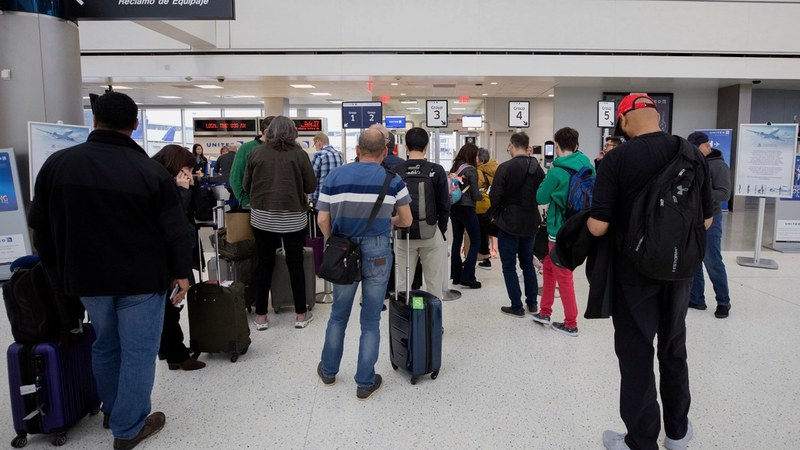
Travelers at JFK, LaGuardia, Newark, and Philadelphia face substantial delays and cancellations due to the FAA’s operational constraints. Airlines are permitted under FAA waivers to fly 10% fewer flights than the minimum usage requirements for takeoff and landing slots, allowing them to avoid losing slots amid these disruptions.
Flight cancellations and ground delays are expected to continue while staffing shortages persist, affecting hundreds of flights daily across these major U.S. airports.