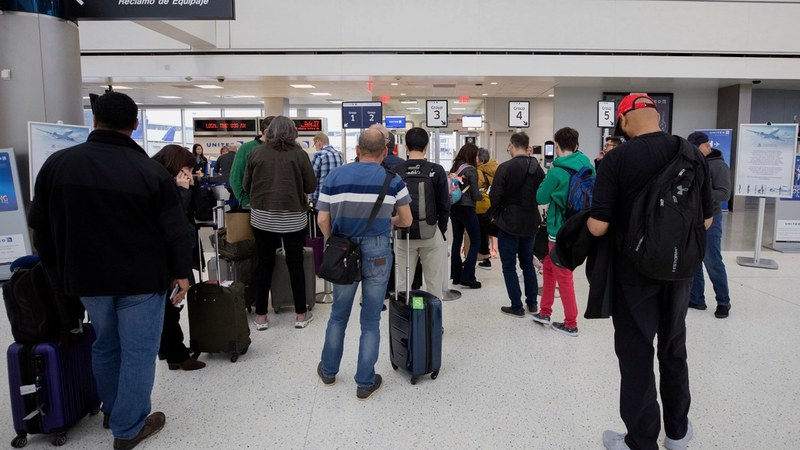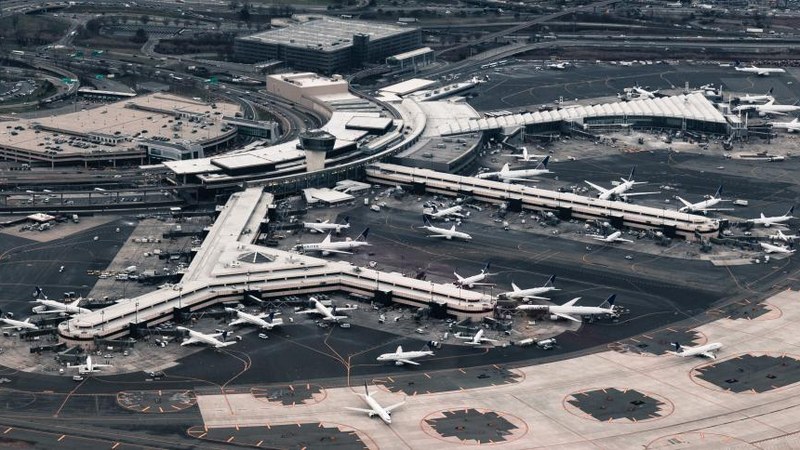
The Federal Aviation Administration is imposing flight delays and a ground stop at LaGuardia Airport on July 27, 2026, affecting New York’s three major airports—John F. Kennedy International, LaGuardia, and Newark Liberty—alongside Philadelphia International Airport. Arrival delays at JFK average 2 hours and 29 minutes, while FlightAware data shows 20% to 30% of flights are canceled across the four airports. Ground delays for affected flights range from 71 minutes to 149 minutes as the FAA implements flow management programs to control congestion.
Severe Weather and Staffing Shortages Reduce Airspace Capacity
The root causes of the disruptions are severe weather and persistent air traffic controller staffing shortages. Thunderstorms, low
clouds, heavy rain, and lightning risk across the Mid-Atlantic and Northeast regions are forcing the FAA to reduce arrival and departure rates for safety. The New York Area Terminal Radar Approach Control operates at just 57% of its targeted certified controller staffing. This shortfall mandates mandatory overtime and six-day workweeks for controllers.
To manage these constraints, the FAA has extended flight limits and slot waivers through late 2027 or 2028 at JFK, LaGuardia, Newark, and Washington National airports. Flight cuts first imposed at Newark in May 2025 were also extended through October 2027 to alleviate congestion linked to staffing shortfalls.
Flight Delays, Cancellations, and Ground Stops Impact Travelers
Passengers arriving or departing from JFK, LaGuardia, Newark, and Philadelphia face delays averaging between 71 and 149 minutes on the ground. The ground stop at LaGuardia has halted departures, holding flights at their origin airports until restrictions lift. Cancellations constitute 20% to 30% of scheduled flights at the affected airports, with Delta Air Lines experiencing most cancellations from LaGuardia on Monday morning.
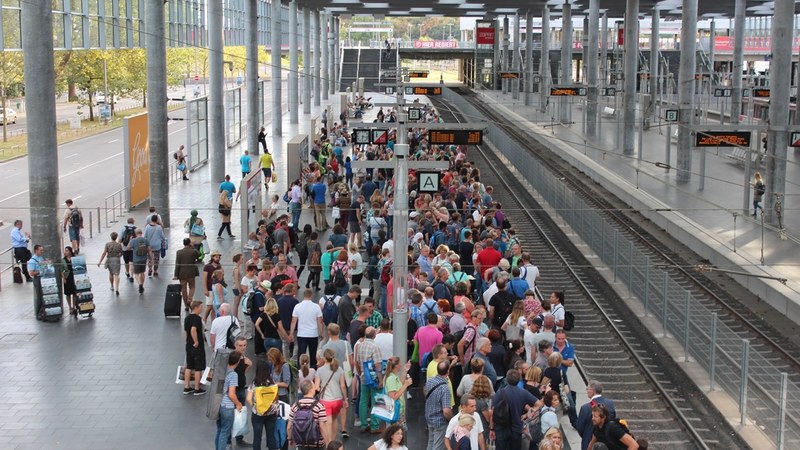
Airlines have issued travel waivers allowing itinerary changes without fees for impacted flights. These disruptions increase the risk of missed connections and cascading delays across other hubs nationwide during the peak summer travel day.
FAA Official Statements on Staffing and Operational Limits
An FAA official stated,
“Due to STAFFING / STAFFING, there is a Traffic Management Program in effect for traffic arriving at John F Kennedy International Airport, New York, NY (JFK). This is causing some arriving flights to be delayed an average of 2 hours and 29 minutes.” The FAA confirmed that staffing shortages at the New York Air Route Traffic Control Center are significantly affecting operations and that staffing at Newark will remain below target until at least October 2027.
The FAA continues to enforce arrival and departure flow metering to manage congestion at JFK, LaGuardia, Newark, and Philadelphia airports.
Operational Strains in Northeast Airspace Despite Airline Mitigation Efforts
These disruptions occur amid
the summer travel season in the Northeast United States, where volatile weather and long-term controller staffing gaps exacerbate flights at the region’s busiest hubs. Airlines have invested in operational control centers and predictive weather tools to reduce delays, but shared congested airspace limits the effectiveness of these measures.
The FAA’s repeated extension of slot usage waivers and flight limits reflects ongoing challenges in balancing schedule demand with available controller resources. Though airlines maintain increased reserve crews near affected airports, systemic vulnerabilities cause delays that ripple through national and international flight networks.