Widespread Disruptions Mark Memorial Day 2026 at Key U.S. Airports
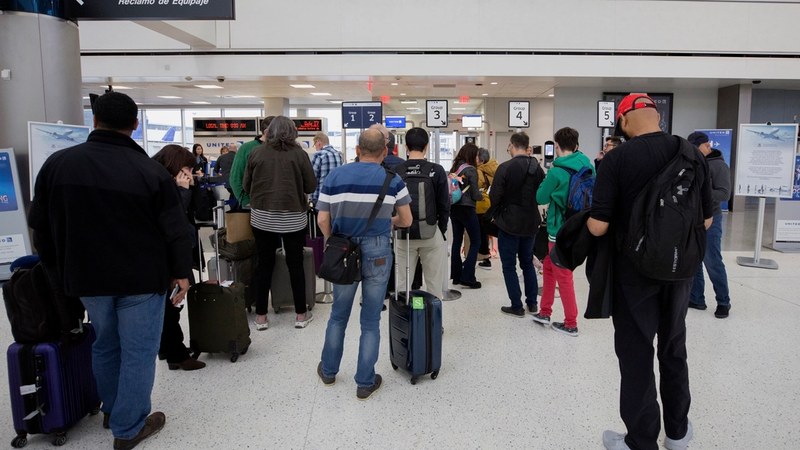
During the Memorial Day 2026 travel period, significant flight cancellations and delays disrupted air travel across several major U.S. airports. Nationwide, airlines reported more than 650 flight cancellations and upwards of 2,300 delays. This disruption spanned crucial hubs including Chicago, Dallas, Boston, Miami, Nashville, New York, and Phoenix, affecting multiple airlines and complicating travel for thousands of passengers.
The impact extended beyond mere numbers, with both domestic and international routes experiencing interruptions connecting major cities such as New York, Chicago, Atlanta, and Los Angeles. Airlines like Southwest, American, Delta, United, Republic Airways, and Jazz Aviation faced severe operational challenges. These
disturbances led to altered itineraries and substantial inconvenience for travelers seeking to return home or embark on holiday plans.
Overall, the scale of this travel disruption highlighted the fragility of peak-period airline operations, particularly during nationwide holidays when passenger volumes typically surge. The combination of these cancellations and delays presented a widespread hurdle to efficient air travel across the country.
Severe Impact at Nashville and Newark Airports
Among the airports hardest hit were Nashville International Airport and Newark Liberty International Airport. Nashville saw 265 flights delayed alongside 11 cancellations, affecting both domestic schedules and international connections. This disruption impacted major carriers including Southwest, American Airlines, and Delta
Air Lines. Routes connecting Nashville with hubs such as New York, Chicago, Atlanta, and Los Angeles were notably disrupted.
Newark Liberty International Airport experienced similar challenges with 284 flight delays and 22 cancellations during the holiday period. Airlines including United, Republic Airways, Jazz Aviation, and American Airlines faced operational setbacks that affected flights to destinations such as St. Louis, Toronto, Kansas City, and other key cities. These delays created a backlog that complicated departures and arrivals during a peak travel window.
Implications for Travelers and Operational Strain on Airlines
For travelers attempting to navigate the Memorial Day 2026 holiday, the cancellations and delays meant adjusting plans on short
notice and staying vigilant regarding airline policies and updates. The widespread nature of disruptions underscored the importance of flexible travel arrangements and preparation for potential inconvenience when flying during such high-demand periods.
Airlines grappled with managing ground operations amid increased passenger load and operational complexity. The concentration of delays and cancellations at major hub airports further compounded difficulties in rescheduling and routing passengers. These challenges reflected broader operational pressures airlines face to maintain schedule integrity under peak travel demand.
While the specific causes behind each cancellation and delay were not detailed, the collective operational strain demonstrated the challenges inherent in
holiday travel logistics. The widespread impact on multiple carriers simultaneously underscores vulnerabilities in capacity and operational resilience during major U.S. holidays.
Broader Context of Holiday Travel in the United States
Memorial Day remains one of the busiest travel periods in the U.S., with airlines and airports experiencing significant surges in passenger numbers. The events of May 2026 revealed the difficulties in scaling operations efficiently to meet such spikes, especially across key hubs which serve as pivotal points for national and international air traffic.
These disruptions serve as a reminder of the complexities involved in managing an extensive and interconnected air travel network during peak seasons. Travelers and industry stakeholders
alike face ongoing challenges balancing operational capacity with demand, especially during holiday intervals traditionally associated with travel surges.
As airlines and airports work to resolve backlogs and restore normal schedules, emphasis remains on improving contingency planning and operational responsiveness to mitigate the effects of large-scale disruptions in future peak travel periods.