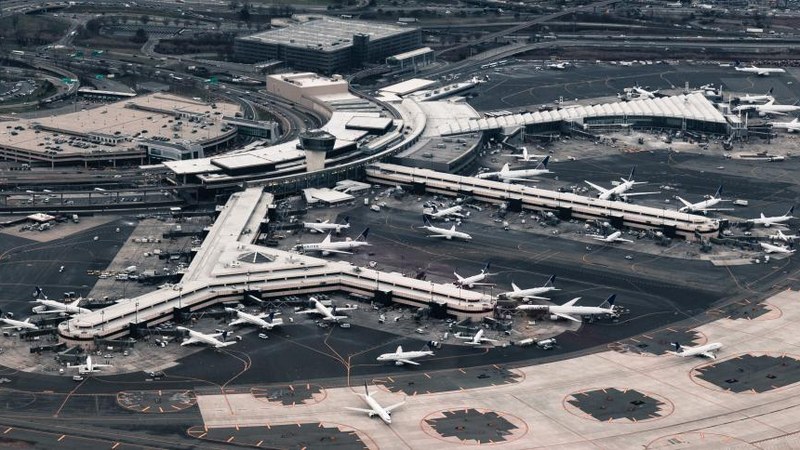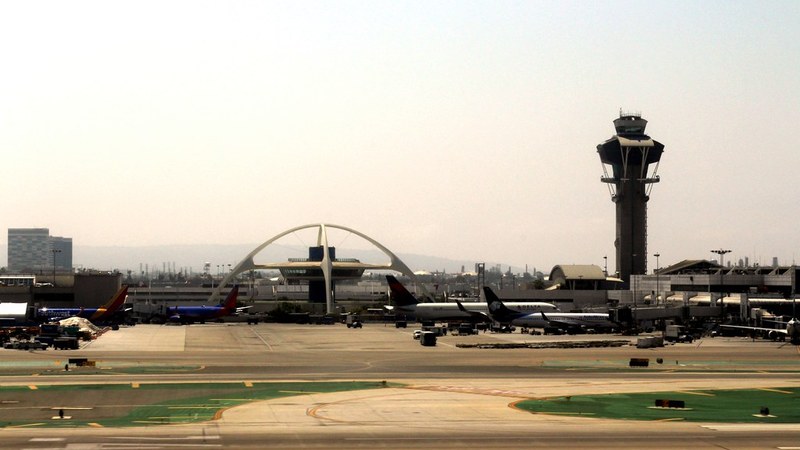
The Federal Aviation Administration (FAA) has imposed ground stops for the third consecutive day on July 25, 2026, at a major U.S. airport, resulting in the highest volume of flight cancellations nationwide during this period. This airport remains the nation’s largest single source of cancellations as other major hubs return closer to normal operations during the peak summer travel season.
Weather and Capacity Constraints Trigger Operations Slowdown
The disruptions stem from convective weather, including thunderstorms that close approach corridors and force reroutes, reducing hourly landing and departure capacity. Heavy traffic volume and airspace management constraints exacerbate congestion. Staffing shortages at critical air traffic control facilities limit capacity
to handle surges and weather-related reroutes. The FAA has repeatedly enforced ground stops and ground delay programs to manage departures and avoid excessive congestion during these deteriorated conditions.
Cascading Flight Cancellations Affect National and Regional Networks
As a primary connecting hub for one of the country’s largest U.S. carriers, the airport experiences cascading cancellations and extended delays throughout its network due to shared aircraft and crew. FAA-imposed ground stops have extended delays enough for flight crews to reach legal duty time limits, forcing last-minute cancellations. Smaller regional airports connected as spokes to the hub have prioritized cancellations on feeder flights, resulting in fewer rebooking options and longer waits
in those markets.
Passenger Impact Includes Crowded Gates and Rebooking Challenges
Social media images show crowded gate areas and long customer service lines at the affected airport, with many passengers awaiting rebooking amid limited seat availability. Travelers face difficulties finding alternative flights, especially at connected regional airports. These issues persist during the peak summer travel period, stranding passengers and complicating recovery efforts.
Compensation Rules and Passenger Guidance
Under U.S. regulations, airlines must refund passengers if flights are canceled or significantly changed and the traveler opts not to proceed. There is no federal requirement for cash compensation due to delays. Airlines generally provide rebooking and may offer meal or hotel vouchers at their discretion.
Passengers are encouraged to verify flight status frequently and utilize airline apps for rebooking options.
Broader System Challenges and Policy Context
The ongoing disruptions highlight persistent challenges in the resilience of the U.S. air travel system, especially during periods of peak demand. Recent summers have seen multiple large-scale operational breakdowns at major hubs caused by weather, technology, or staffing issues. Policy discussions currently focus on increasing the number of certified air traffic controllers, modernizing airspace management tools, and aligning airline schedules more closely with airport capacity to reduce future large-scale cancellations and delays.