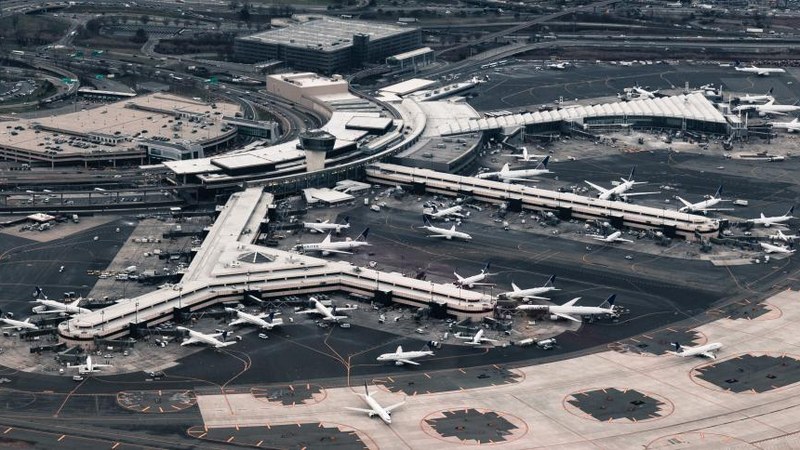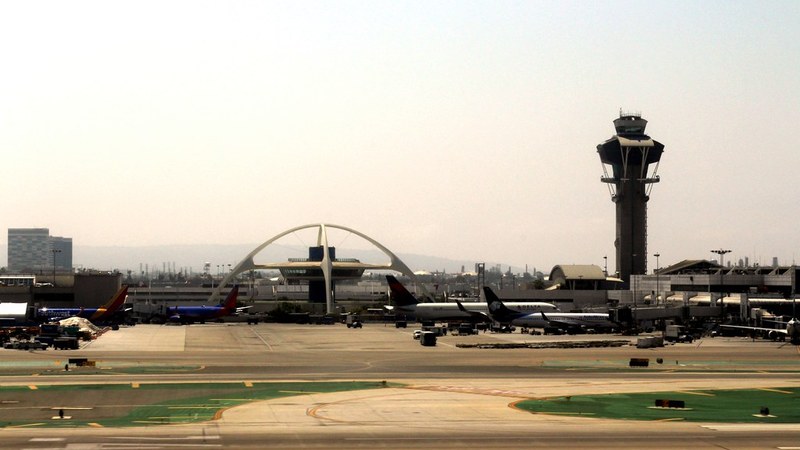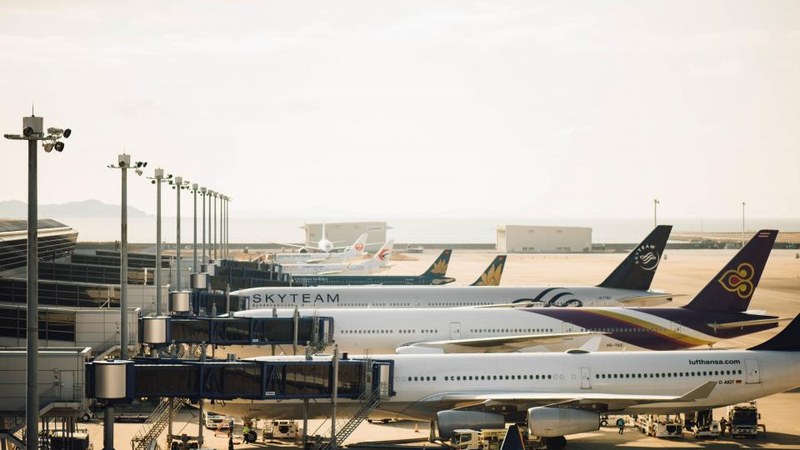
The Federal Aviation Administration has imposed ground stops and departure delays for a third consecutive day at a major U.S. airport, resulting in the highest level of flight cancellations nationwide on July 25, 2026. This ongoing operational restriction has created severe backlogs on gates and taxiways, severely limiting departures and turning the hub into the largest single source of cancellations in the country during this period.
Convective weather affecting arrival corridors has been a primary factor leading to approach path closures and requiring rerouted flights, significantly reducing capacity. Additionally, high traffic volumes and constrained airspace management combined with staffing shortages
at key air traffic control facilities have reduced operational capacity. The FAA’s use of ground stops and ground delay programs aims to manage and meter both arrivals and departures to prevent runway and airspace congestion during this busy summer travel period.
The disruptions at the hub have triggered cascading effects throughout the network of one of the nation’s largest carriers, which relies on this airport as a primary connecting point. Smaller regional airports serving as spokes linked to this hub have experienced cancellations starting with lower volume feeder flights. This network ripple effect worsens delays and cancellations beyond the main
airport, complicating scheduling and aircraft positioning for the carrier.
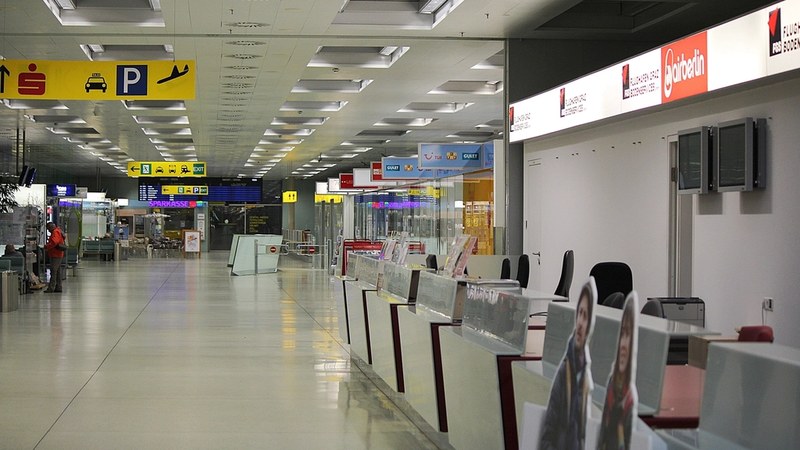
Travelers have faced widespread cancellations and significant rebooking challenges amid peak summer travel demand. Crowded gate areas and long lines for customer service have been reported at the impacted hub, with many passengers waiting in terminals for reassigned aircraft. Rebooking options remain limited due to fully booked flights and fewer feeder flights operating from regional airports, which often cancel first despite calmer local conditions.
Multi-day disruptions of this scale at major hubs are consistent with past incidents caused by similar combinations of weather, technology constraints, and staffing shortages. While overall cancellation
rates at the largest U.S. airports have generally decreased in recent years, concentrated disruptions at a single hub continue to produce extensive nationwide impacts. Current industry discussions include proposals to increase certified air traffic controllers, enhance airspace management technologies, and better synchronize airline schedules with airport capacity.