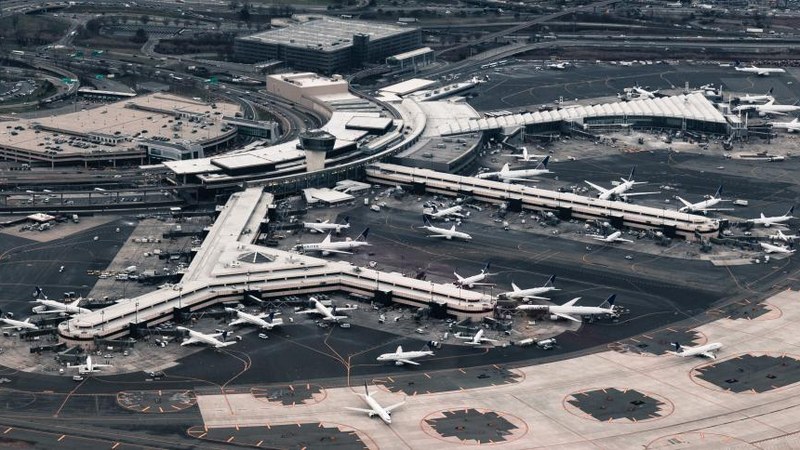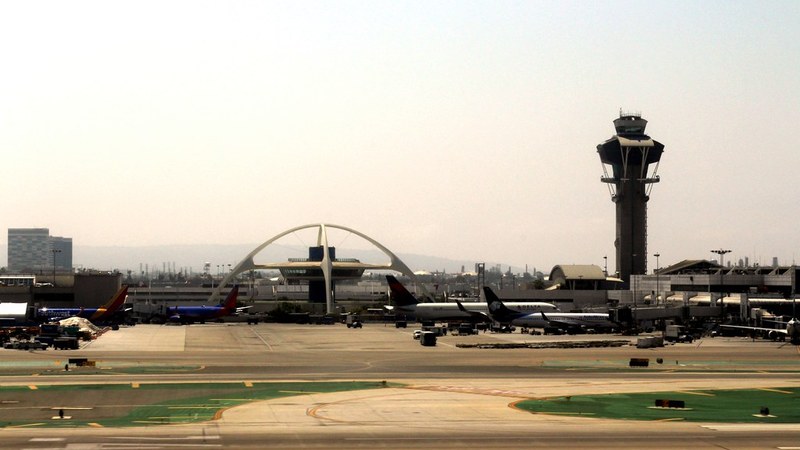
The Federal Aviation Administration has enforced ground stops and departure delays for three consecutive days through July 25, 2026, at a major U.S. airport, resulting in the highest concentration of flight cancellations nationwide during this busy summer travel period.
Weather and Airspace Constraints Drive Ground Stops
Convective weather in key arrival corridors, including thunderstorms that close approach paths and force aircraft to reroute, has played a significant role in triggering these ground stops. Heavy traffic volume combined with airspace management limitations has further restricted the number of planes landing and departing hourly at the affected airport. The FAA has repeatedly implemented ground stop and ground delay programs
to manage congestion and maintain safety during these deteriorated conditions. Weather remains the leading cause of flight delays nationwide according to published FAA air traffic summaries.
Passenger Impact from Cancellations and Delays
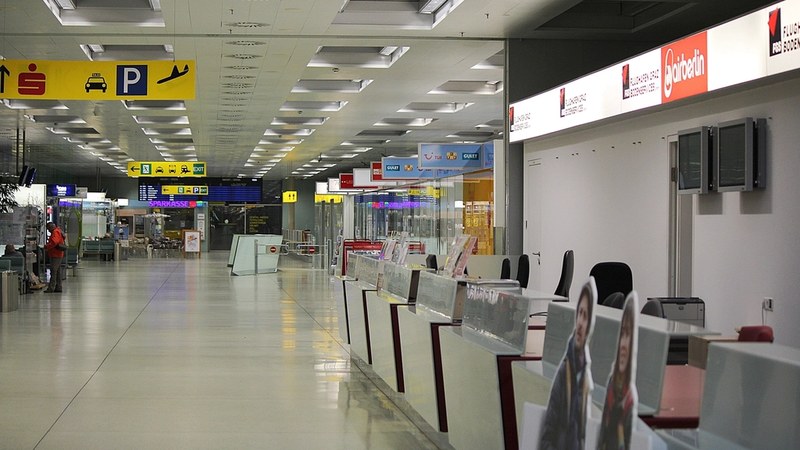
Most flights at the affected major U.S. airport have been canceled over the three-day period, stranding passengers across multiple regions. Terminals and gate areas have experienced crowding, long customer service lines, and passengers waiting in concourses for rebooking. Availability of seats on alternative flights has become increasingly limited during this peak travel season. Airlines are required under U.S. regulations to provide refunds for cancelled or significantly changed flights if passengers choose not to travel,
but there is no federal requirement for cash compensation for delays. Rebooking options, meal vouchers, or hotel accommodations are provided at the discretion of individual carriers. While smaller regional airports connected to this hub reported calmer conditions, travelers there face fewer rebooking options and longer waits due to prioritized cancellation of feeder flights.
Disruption Cascades Through Airline Networks and Regional Airports
The airport serves as a primary connecting hub for one of the country’s largest carriers. The extended ground stops have disrupted the airline’s schedule, causing knock-on effects including cancellations and delays on dozens of additional flights sharing aircraft and crews. Additionally, smaller regional airports that feed into
this hub have seen prioritized cancellations of lower volume flights, compounding passenger challenges outside the main airport.
Air Traffic Control Staffing Challenges and Policy Focus
Staffing shortages at critical air traffic control facilities limit the volume of traffic the busy hub can safely manage, increasing the necessity for ground delays and stops. When controller availability is constrained, the system’s ability to handle weather-related detours or traffic surges diminishes. This situation has intensified discussions on expanding the certified air traffic controller workforce, modernizing airspace management technologies, and encouraging airlines to align schedules with airport capacity to reduce future cancellations and delays at major hubs. Government data and independent analyses
show that cancellations at the largest U.S. airports have generally trended lower compared to prior years, but concentrated events at hubs still cause nationwide disruption.