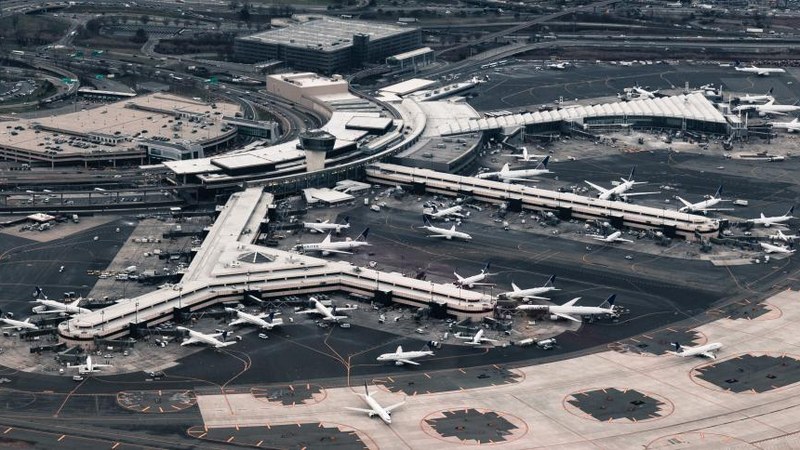
For the third consecutive day, the Federal Aviation Administration (FAA) implemented ground stops and departure delays at a major U.S. hub airport, triggering the highest concentration of flight cancellations nationwide amid the busy summer travel period.
Ground delay programs and stops have paused or slowed departures repeatedly, creating extensive gate and taxiway congestion. This hub airport has become the largest single source of cancellations in the United States during this multi-day disruption.
Weather and Staffing Impact Air Traffic Control Capacity
The immediate causes of the disruption include convective weather producing thunderstorms along key arrival corridors, forcing reroutes and reducing hourly landing and departure rates. Additionally, heavy air traffic
volume combined with airspace management constraints has stretched capacity limits.
Staffing shortages among critical air traffic controllers at the hub reduce the facility’s ability to manage surges caused by weather or traffic, increasing reliance on traffic management initiatives such as ground stops and delay programs to prevent runway and airspace overload during peak periods.
Operational Effects and Network Wide Cancellations
The repeated disruptions have caused cancellations and delays to cascade through the hub’s network, affecting dozens of flights using shared crews and aircraft. The airport has consistently ranked near the top of national cancellation and delay reports throughout the three-day episode.
Although other major U.S. airports
have mostly resumed normal operations, this airport continues to experience severe operational interruptions. Extended ground stops have led to crew duty time limits being exceeded, resulting in additional late cancellations.
Passenger Experience and Refund Policies
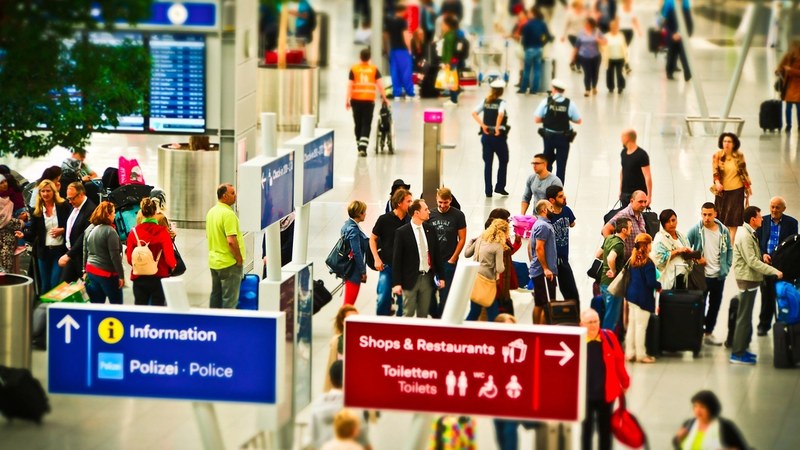
Passengers at the hub airport face nearly complete flight cancellations today, enduring crowded gate areas, long lines for customer service, and long waits in concourses. Feeder flights from smaller regional airports are also commonly canceled to preserve mainline route operations, reducing rebooking options and increasing delays for travelers outside the hub.
Under U.S. regulations, cancelled or significantly changed flights require airlines to offer refunds when passengers choose not to travel,
but no federal mandate exists for cash compensation due to delays. Travelers encounter limited alternative seats since many flights were sold near capacity during the peak season.
Air Travel System Challenges and Policy Focus
This multi-day disruption highlights the U.S. air travel system’s reliance on uninterrupted performance at key connecting hubs. Despite overall declines in cancellations at major airports in recent years, concentrated events at a single hub can cause widespread network disturbance.
Policy discussions have prioritized increasing certified air traffic controllers, modernizing airspace management technology, and aligning airline schedules with airport capacity to reduce risks of similar disruptions. These measures aim to prevent episodes where one
hub becomes the largest source of flight cancellations for multiple days.