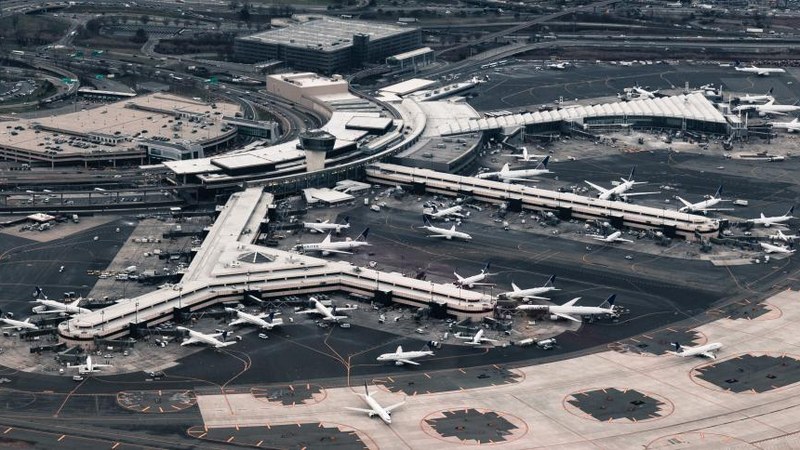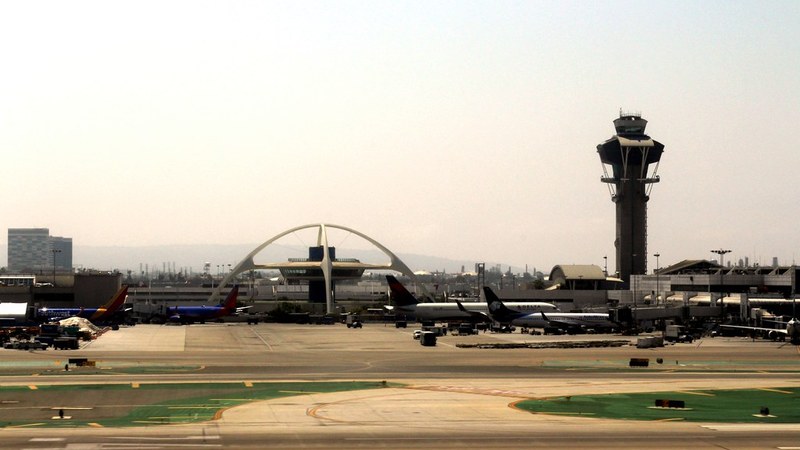
The Federal Aviation Administration (FAA) has enforced ground stops and ground delay programs for a third consecutive day at a major U.S. airport, which remains the largest source of flight cancellations and delays in the United States on July 26, 2026. These interventions by the FAA have significantly slowed departures, causing bottlenecks on taxiways and at gates and resulting in the highest recorded concentration of cancellations nationwide during this period.
Weather and Operational Constraints Drive Disruptions
Convective weather conditions, including thunderstorms in key arrival corridors, have forced air traffic controllers to close approach paths and reroute aircraft along longer routes. This has sharply reduced the rate
of landings and departures at the airport. Alongside weather impacts, heavy traffic volume and airspace management constraints have compelled the FAA to delay or pause flights to prevent congestion. Compounding factors include staffing shortages at critical air traffic control facilities, which limit the airport’s capacity to manage surges in traffic or weather-related adjustments.
Cascading Effects on Network and Regional Airports
The airport affected serves as a primary connecting hub for one of the country’s largest carriers. Many flights share aircraft and crews across routes, causing delays and cancellations at the hub to cascade into widespread disruptions throughout the airline’s network. Smaller regional airports connected as feeder points
have experienced amplified impacts, with carriers prioritizing long haul and mainline routes by canceling lower volume feeder flights. This has reduced rebooking options and extended wait times for passengers originating from or connecting through these secondary cities.
Passenger Experience and Refund Policies
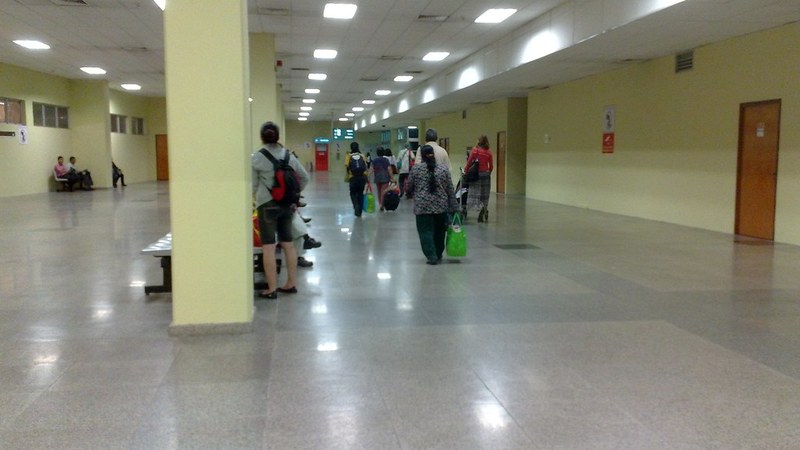
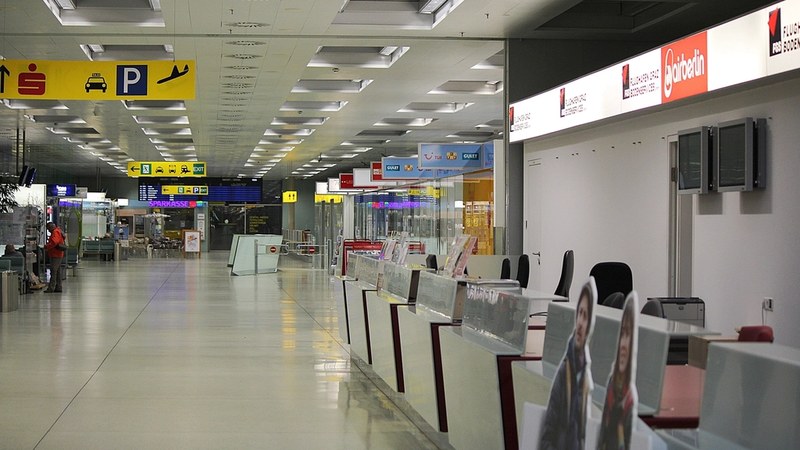
Passengers at the affected airport have faced crowded gate areas, long lines for customer service, and protracted waits for rebooking amid the sustained disruptions. The peak summer travel season exacerbates difficulties in finding available seats on alternate flights. U.S. regulations require airlines to provide refunds for canceled or significantly changed flights to passengers who elect not to travel, though there is no federal
mandate for cash compensation on delays. Airlines offer rebooking options and discretionary accommodations such as meal vouchers or hotel stays to mitigate passenger inconvenience.
Systemic Challenges and Policy Focus
Recent summers have seen multiple large-scale disruptions at major U.S. airport hubs caused by weather, technology failures, and staffing deficiencies. While national cancellation rates have generally declined, concentrated disruptions at single hubs continue to generate substantial nationwide impacts. Current policy discussions emphasize increasing the number of certified air traffic controllers, modernizing airspace management technology, and aligning airline schedules with airport capacity limits to reduce future occurrences of hub-centric disruptions.