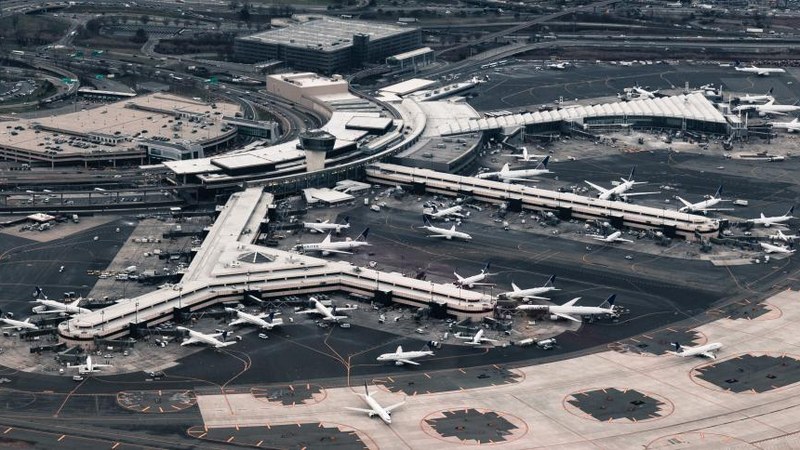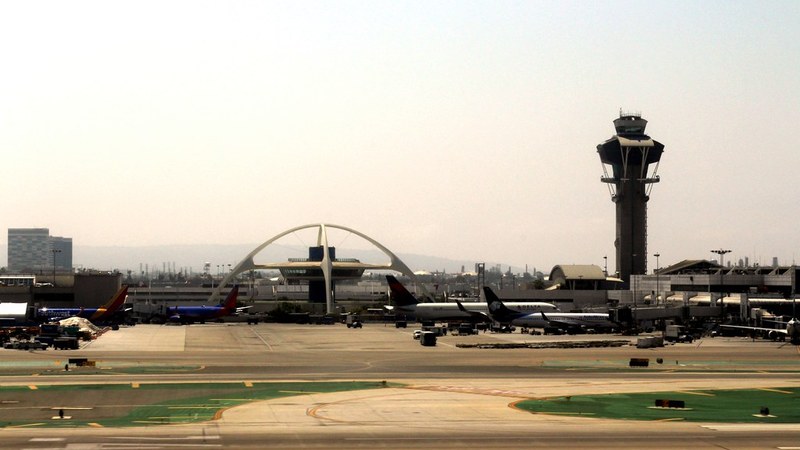
The Federal Aviation Administration (FAA) has enforced ground stops and imposed departure delays for a third consecutive day at a major U.S. airport, causing today’s highest concentration of flight cancellations nationwide. Operations at the airport remain severely constricted as of July 26, 2026, with continuous delays affecting departures and arrivals.
Causes of FAA Ground Stops and Operational Constraints
The FAA’s restrictions are a response to convective weather patterns producing thunderstorms in key arrival corridors, which have closed approach paths and necessitated rerouting aircraft onto longer winding routes. These weather conditions have sharply reduced the hourly landing and takeoff capacity. High traffic volumes at the airport exacerbate congestion, while
staffing shortages in critical air traffic control facilities have limited controller availability, reducing the airport’s capacity to manage peak demand safely.
Cascade Effect on Flight Schedules and Network
This key hub airport serves as a major connecting point for one of the country’s largest carriers. Because many flights operate as through services sharing crews and aircraft, initial ground stops have cascaded across the airline’s network. Multiple delayed or canceled flights at this hub have led to intensified disruptions spreading to smaller spoke airports linked within its network. The airport continues to rank among the top nationwide in terms of flight cancellations and delays during this multi-day event.
Traveler Impact and Airport Crowding
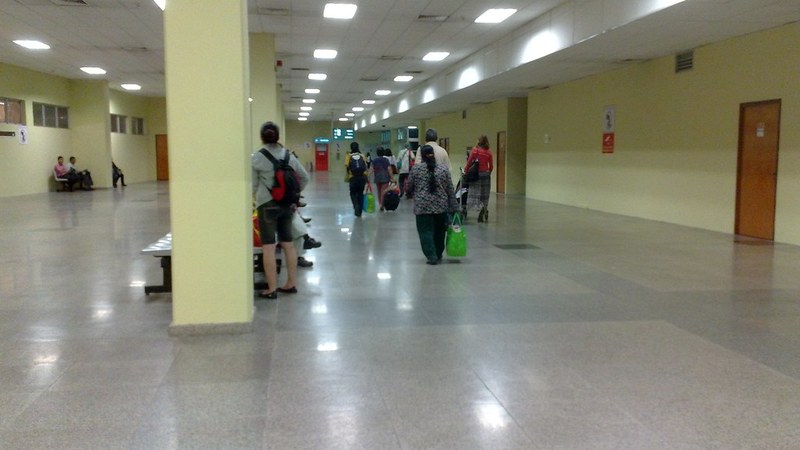
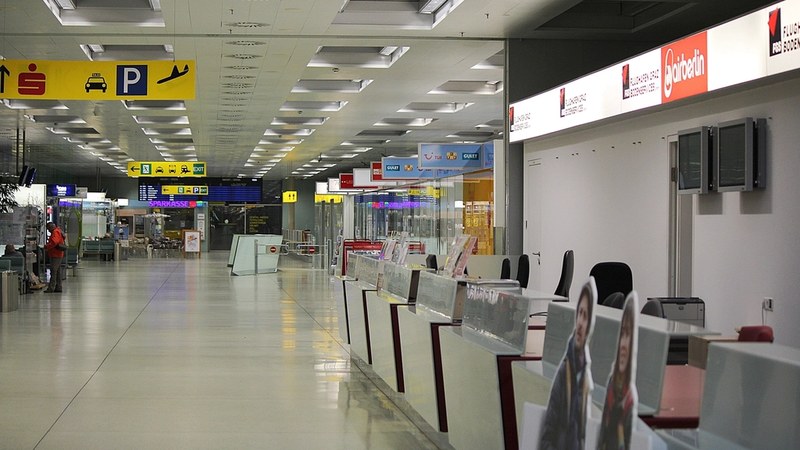
Passengers are stranded at the primary airport and several smaller regional airports, where rebooking options have diminished due to flights operating near full capacity. Social media and passenger reports highlight crowded gates, long lines at customer service counters, and widespread waiting in concourse areas. Travelers at smaller spoke airports face fewer alternatives and longer wait times to reach their destinations.
Air Traffic Management and Industry Context
The FAA employs ground stops and ground delay programs as air traffic management measures aimed at preventing unsafe congestion during severe weather and heavy traffic periods. Although cancellations at major U.S. airports have generally declined in recent years, concentrated events
at pivotal hubs continue to create significant nationwide disruptions. Current discussions within the aviation industry focus on increasing certified air traffic controller staffing, modernizing airspace control technologies, and aligning airline schedules with realistic airport capacities to reduce future large-scale disruptions.