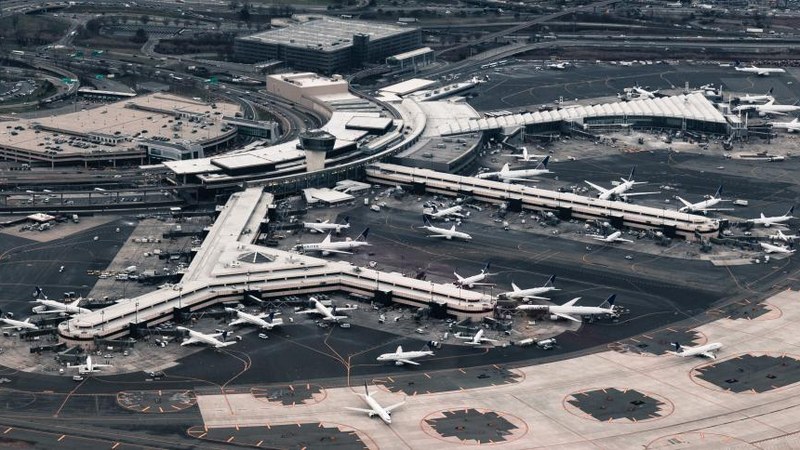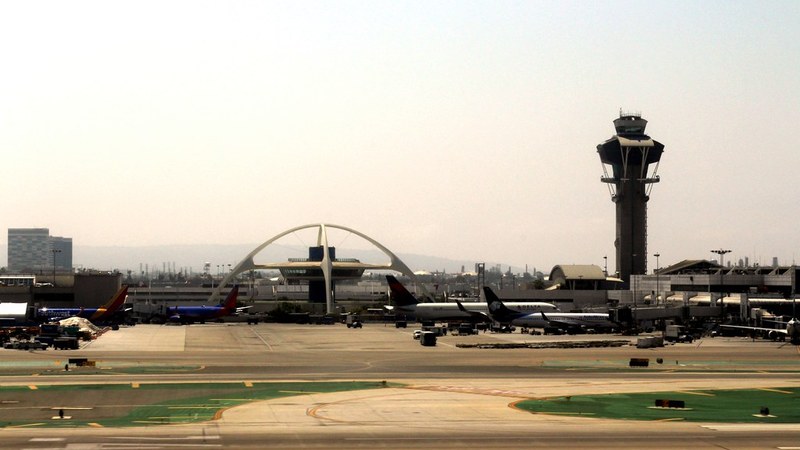
The Federal Aviation Administration (FAA) has maintained ground stops and departure delays at a major U.S. airport hub for the third consecutive day as of July 25, 2026. This has resulted in the highest volume of flight cancellations recorded in the United States during the 2026 summer travel season according to The Traveler.
Operational Disruptions and Network Cascades
Ground stops and ground delay programs repeatedly halted or slowed departures at the hub, causing bottlenecks both at gates and on taxiways. The airport, functioning as a primary connecting point for one of the country’s largest carriers, has become the leading source of nationwide cancellations. Due to
shared aircraft and crew scheduling, delays originating here created a ripple effect, disrupting dozens of subsequent flights across the carrier’s network and impacting smaller regional airports connected through this hub.
Causes Behind Persistent Disruptions
The FAA attributed the ongoing ground stops primarily to convective weather conditions affecting key arrival corridors. Thunderstorms in these sectors forced closures of approach paths and mandated longer routing around storm cells, significantly lowering runway landing and departure capacity. Heavy traffic volume paired with airspace management constraints intensified the need for delays. Additionally, staffing shortages and limited availability of air traffic controllers reduced the ability to accommodate surges in traffic,
further necessitating traffic management initiatives such as ground stops and ground delay programs to prevent overloading airspace during deteriorated weather.
Passenger Impact and Airport Conditions
Passengers have been stranded across multiple regions with many facing cancellations or extended delays. Social media reports show crowded gate areas, lengthy customer service lines, and travelers waiting in concourses attempting to secure rebooking. Limited availability of alternative departures has complicated rebooking efforts. Smaller regional airports connected through the hub experienced higher cancellation rates, reducing options for travelers attempting to reroute through these secondary locations. Airlines advised frequent status checks via mobile applications for managing flight changes.
Industry Context and Ongoing Challenges
Weather remains the
predominant cause of flight delays nationally, with FAA traffic management tools designed to mitigate airspace congestion during peak seasons. Prolonged ground stops can cause flight crew duty hour limitations, forcing cancellations even when aircraft are ready. Recent summers have seen several major hub breakdowns triggered by weather, staffing deficits, and system outages. Current policy discussions focus on expanding certified air traffic controller numbers, modernizing airspace management technologies, and promoting airline scheduling practices aligned with airport operational capacity to reduce future concentrated disruption events.