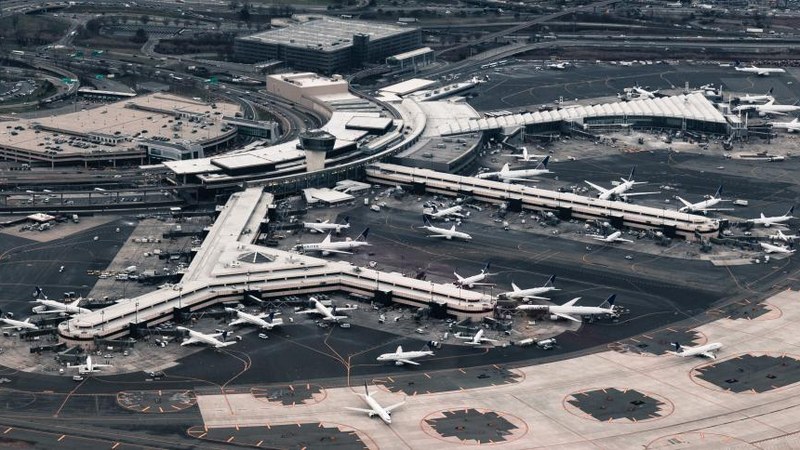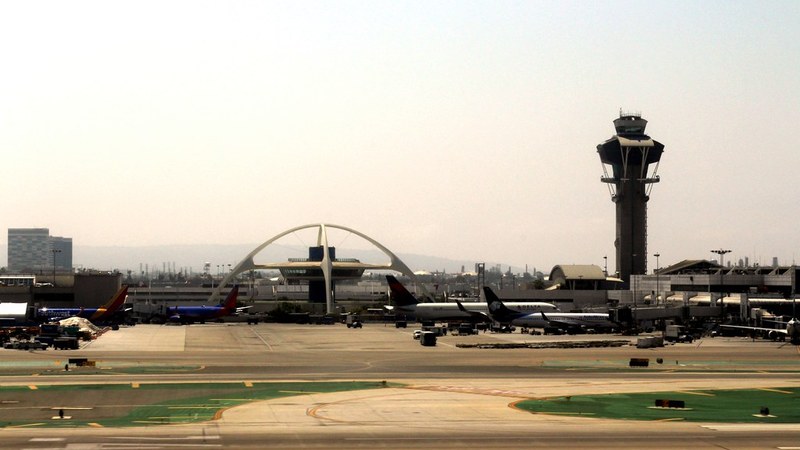
The Federal Aviation Administration has imposed ground stops and departure delays for a third consecutive day at a major U.S. hub airport as of July 25, 2026. This airport has recorded the highest concentration of flight cancellations and delays across the United States during this period. Ground stops and ground delay programs have repeatedly restricted departures, creating bottlenecks at gates and on taxiways and causing widespread disruption to flights within, into, and out of the country.
Weather and Infrastructure Limitations Trigger Ground Stops
The ongoing restrictions stem from convective weather, including thunderstorms in key arrival corridors, combined with high traffic volumes and airspace management constraints. Thunderstorms have
caused approach path closures and forced longer routing, reducing landing and departure capacity. The FAA employs ground stops and ground delay programs to meter departures and arrivals to avoid airport and airspace overload during peak travel periods. Additionally, staffing shortages in critical air traffic control facilities have further limited the airport’s ability to manage these surges in demand and weather-related challenges.
Passenger Impact Increases With Delays and Cancellations
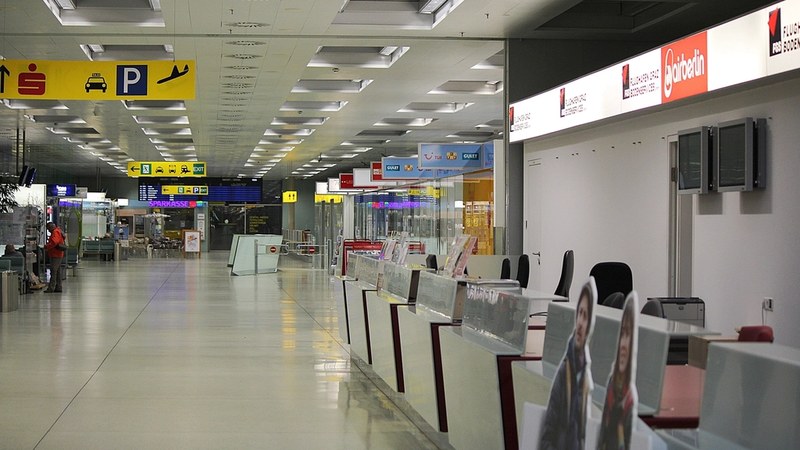
Repeated ground stops at the hub have resulted in numerous flight cancellations and late departures. Passengers experience crowded gates, extended lines at customer service counters, and lengthy waiting periods in concourses. The airport functions as a primary connecting point
for one of the country’s largest carriers, leading to cascading effects on network schedules. Crew duty limits reached due to prolonged ground stops have forced additional cancellations. Smaller regional airports connected to this hub report cancellations of feeder flights prioritized behind long-haul and trunk routes, reducing rebooking options and extending delays further.
FAA Traffic Management Tools and Compensation Policy
The FAA’s ground stops and ground delay programs aim to prevent runway and airspace overload by controlling the flow of traffic during adverse conditions. While federal regulations require airlines to provide refunds for canceled or significantly changed flights when passengers opt not to travel, there is no federal
mandate for compensation due to delays. Airlines often offer rebooking options through mobile apps, and travelers are advised to frequently check flight status, consider alternate routes, or postpone travel when possible.
Wider Context of U.S. Airport Disruptions and Policy Responses
This multi-day disruption adds to a pattern of major hub delays and cancellations during recent summers caused by severe weather, technological issues, and staffing shortages. Although cancellation rates at the largest U.S. airports have generally decreased in recent years, isolated incidents at key hubs continue to have national repercussions. Current policy discussions focus on augmenting air traffic controller staffing, modernizing airspace management systems, and ensuring airline schedules align more
closely with airport capacity to reduce similar large-scale operational failures.