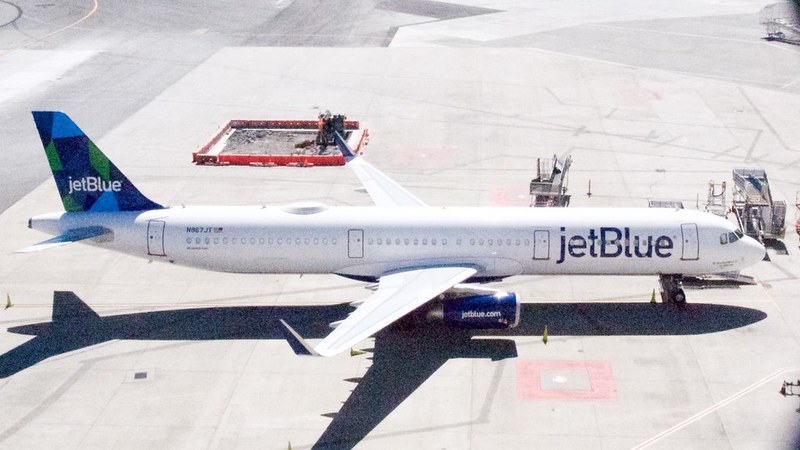
JetBlue recorded the highest number of U.S. flight cancellations in late July 2026 amid severe thunderstorms impacting the Northeast region around July 18. These storms, combined with internal operational issues, triggered significant disruption to the airline’s network concentrated in weather-prone East Coast corridors.
Disruptions at JFK and Boston Hubs
JetBlue suspended all flights to and from New York John F. Kennedy International Airport (JFK) on July 24 due to weather conditions. Its operations, heavily concentrated at JFK and Boston Logan International Airport, were vulnerable to the severe thunderstorms and flooding rain that struck the Northeast. Passengers reported extended delays, cancellations, and difficulties rebooking, while some airport
counters remained closed overnight during the disruption.
Crew Scheduling System Failures Identified
The Air Line Pilots Association (ALPA), representing more than 4,600 JetBlue pilots, stated on July 20 that the airline experienced a pattern of “operational failures” including a system-wide breakdown in crew scheduling. Pilots were left stranded and out of position as scheduling desks became “effectively unreachable”. Federal duty-time rules led to cancellations after crews “timed out” amid prolonged delays caused by these disruptions.
Passenger Experience During Disruption
JetBlue passengers faced a range of issues including days of rolling delays, last-minute cancellations, missed connections, and overnight airport stays in Boston, New York, and Florida hubs. Customers encountered repeated
errors and outages on JetBlue’s website and app when attempting to rebook flights. Several passengers reported waiting hours at the gate before late-night cancellations were finalized, and some resorted to other carriers at personal expense due to limited JetBlue options. Crew members similarly waited 5 to 6 hours on hold to reach internal support lines.
Official Statements and Industry Context
In their July 20 letter, the Air Line Pilots Association criticized JetBlue’s crew scheduling and customer service technology, highlighting that internal support lines were “effectively unreachable” during the crisis. The airline’s concentration in East Coast corridors including Boston Logan and JFK airports exposed it to
weather risks uncommon on other routes. Industry analysts expect intensified regulatory and investor scrutiny on JetBlue’s staffing, technology investments, and recovery planning during this busy travel period.