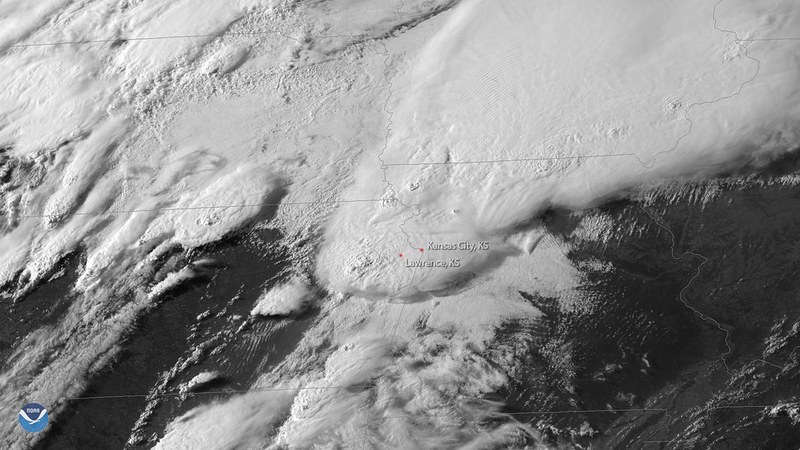
Severe thunderstorms moving across the eastern United States on July 23, 2026 disrupted more than 7,000 flights, including over 2,000 cancellations and 5,000 delays, affecting flights within, arriving to, and departing from the U.S.
Major Airports Affected by Weather and FAA Ground Stops
The Federal Aviation Administration issued ground stops at multiple airports amid the severe weather, restricting aircraft movement. Impacted airports included Baltimore/Washington International (BWI) in Maryland; Boston Logan International (BOS) in Massachusetts; Newark Liberty International (EWR) and Teterboro (TEB) in New Jersey; LaGuardia (LGA) and Westchester County (HPN) in New York; Philadelphia International (PHL) in Pennsylvania; Ronald Reagan Washington National (DCA) and Washington Dulles International (IAD) in
Virginia; as well as Toronto Pearson International (YYZ) in Canada.
The Northeast experienced flood warnings and tornado watches. At least two tornadoes were observed: one in northeast Pennsylvania and another in northern New Jersey.
Airlines Offer Flexible Options Amid Disruptions
JetBlue customers affected by the storms were able to rebook flights through Sunday, July 26, or request refunds. United Airlines waived change fees and fare differences for passengers rescheduling United flights departing between July 20 and July 23, 2026, on routes matching the original itinerary.
American Airlines notified impacted travelers via email or its mobile app, requiring rebookings by Wednesday with travel to be completed by
Friday.
New York City Area Experiences Major Cancellations and Delays
The New York City metropolitan area faced nearly 600 departing flight cancellations and more than 500 delays. John F. Kennedy International Airport (JFK) was not under a ground stop but reported an average ground delay of about four hours due to storm effects.
Flight Disruptions Expected to Increase as Storms Persist
FlightAware reported that the number of disrupted flights was likely to grow as storms continued to move through the Northeast and Mid-Atlantic regions. Airlines continued to provide travel advisories and assistance to affected customers while managing the ongoing operational challenges caused by the severe weather.