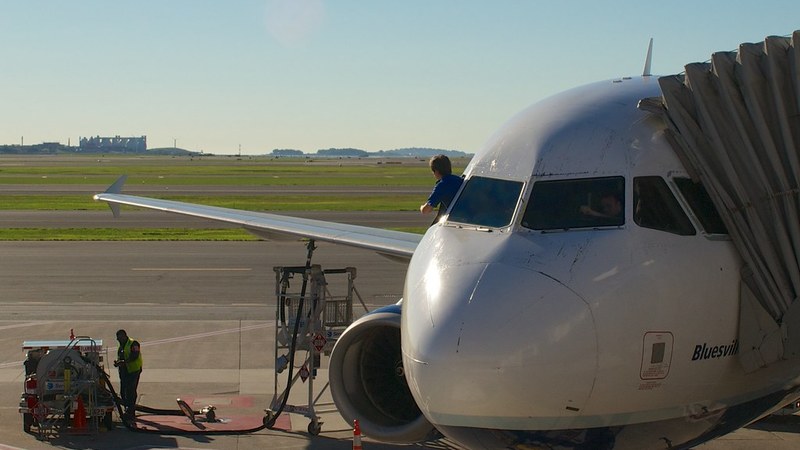
JetBlue Airlines recorded the largest number of flight cancellations across the United States on July 23, 2026. Operations at Boston Logan International Airport and New York JFK International Airport were severely affected amid a series of summer thunderstorms impacting the Northeast since mid-July.
Air Line Pilots Association Details Crew Scheduling and Communication Breakdowns
The Air Line Pilots Association, representing over 4,600 JetBlue pilots, publicly criticized the airline for widespread operational failures on July 20. The union described a systemic crew scheduling collapse, with the Crew Scheduling desk becoming “effectively unreachable,” complicating efforts to reposition crews during the disruption.
Pilots reported being stranded at airport terminals without timely hotel accommodations and
reaching federal duty time limits after prolonged waiting periods, exacerbating cancellations related to crew availability.
Passenger Challenges Include Delays, Nighttime Cancellations and Digital Tool Failures
Passengers traveling through JetBlue’s hubs at Boston Logan and New York JFK faced rolling delays, late-night cancellations, and missed connections. Many reported overnight stays at airports due to last-minute flight cancellations often announced after extended gate waits.
Customers experienced difficulties rebooking flights through JetBlue’s mobile app and website, which encountered outages and errors during peak disruption periods. Airport service counters had lengthy lines, with some closing overnight, limiting passenger access to in-person support.
Technology Strain and Recent Corporate Restructuring Linked to Systemic Problems
JetBlue’s operational fragility has been attributed to technology infrastructure weaknesses and crew
scheduling inefficiencies, intensified by system strain from corporate restructuring efforts. The airline’s backend systems have struggled to handle high call volumes and flight changes during the busy summer peak.
These challenges undermined JetBlue’s ability to promptly reassign crews and manage its lean staffing model, multiplying the disruption’s impact across its Northeast-focused network.
Operational Consequences: Crew Timeouts, Stranded Staff, and Customer Refund Guidance
Prolonged delays left pilots and flight attendants unable to operate flights once federal crew duty limits were reached. With crews stranded and unable to be reassigned swiftly, cascading cancellations followed even as weather conditions improved.
Passengers were advised to retain documentation of flight changes and communication attempts to
support claims for refunds or compensation. Reports indicated difficulties contacting JetBlue’s Crew Scheduling desk, with some pilots waiting upwards of five to six hours on hold to receive assistance.
JetBlue’s Northeast Concentration Heightens Vulnerability to Weather Disruptions
JetBlue’s concentrated network in the Northeast United States, including major operations at Boston Logan and JFK airports, makes the airline particularly susceptible to weather-driven disruptions. The thunderstorms and flooding that struck the region around July 18 triggered widespread operational turmoil.
Despite a smaller fleet compared to some competitors, JetBlue’s cancellations led all U.S. carriers on July 23, 2026. Regulatory and investor attention has increased as the airline confronts scrutiny over its
summer 2026 performance and resilience in handling peak-season challenges.