JetBlue became the leading U.S. airline for flight cancellations on July 23, 2026, following severe thunderstorms in the Northeast that forced the carrier to suspend all flights at New York JFK Airport. The disruptions, beginning around July 18, were compounded by technology failures and crew scheduling breakdowns, affecting operations across key hubs including Boston Logan Airport and Florida hubs.
Delays and Cancellations Concentrated at JFK and Boston Logan
Passengers experienced rolling delays and last-minute cancellations at major East Coast airports, including Boston Logan and New York JFK. JetBlue’s network concentration in these weather-prone corridors increased the airline’s vulnerability during the storms. Gate holds and extended waits became common as
crews became stranded and out of position, particularly in the Northeast.
Crew scheduling failures and prolonged inability to reassign or reposition staff resulted in flights canceled well after initial delays. JetBlue crews reached federal duty time limits after long waits on the ground following thunderstorms and flooding rains, forcing further cancellations despite improving weather conditions.
Pilot Union Cites Operational Failures and Crew Hardships
The Air Line Pilots Association, representing over 4,600 JetBlue pilots, issued a statement on July 20, 2026, condemning systemic operational failures during the period. The union reported that crews were often stranded without timely hotel accommodations and that the Crew Scheduling desk became “effectively unreachable,”
exacerbating the crisis.
Some pilots reported waiting five to six hours on hold to internal support lines while attempting to reposition, highlighting communication breakdowns within the airline. These issues prolonged disruptions and limited the airline’s ability to recover quickly from the weather-induced paralysis.
Passenger Challenges Exacerbated by Digital Platform Failures
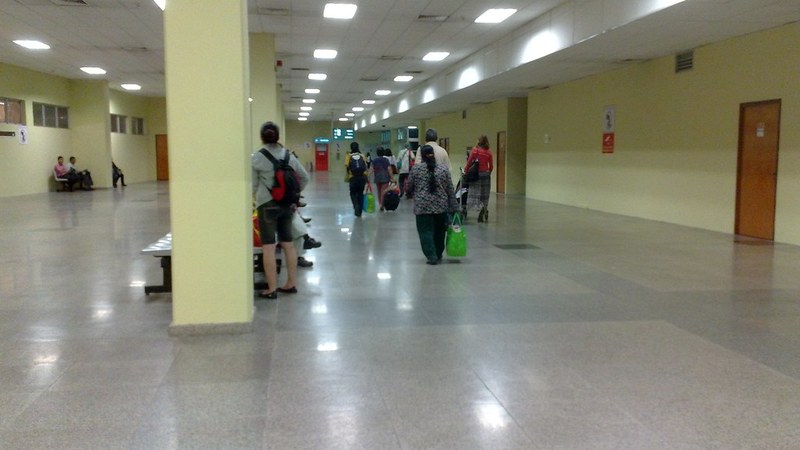
JetBlue passengers at JFK and Boston confronted rolling delays, late-night cancellations, and missed connections. Travelers experienced overnight airport stays and long queues at service desks, some of which closed overnight.
Many passengers struggled to rebook flights due to repeated website and app outages. Error messages and nonfunctional booking tools prevented timely cancellations and refunds. Travelers attempting last-minute
changes were often directed to these malfunctioning digital channels, complicating efforts to find alternative routes or claim refunds.
Some travelers had to use other carriers at their own expense when JetBlue options were unavailable for days. Passengers were often advised to use malfunctioning apps or websites for flight changes, intensifying frustration.
Industry Scrutiny and Operational Vulnerabilities
JetBlue’s leadership in cancellations during this intense Northeast storm event has drawn increased regulatory and investor scrutiny over staffing levels, technology infrastructure, and summer recovery preparedness. Analysts note that JetBlue’s lean fleet and staffing amplify fragility during adverse weather periods, with slower recovery than larger competitors.
The airline’s digital
platform outages and crew scheduling breakdowns intensified disruptions at key East Coast hubs, amplifying vulnerabilities in weather-prone corridors like New York and Boston. System-wide scheduling breakdowns left crews stranded and out of position, worsening the crisis.
This ongoing crisis follows JetBlue’s earlier role in providing rescue fares to customers of another carrier. Industry observers expect labor discussions and operational reviews to focus on scheduling resilience and support systems aimed at mitigating future disruptions during peak summer periods.