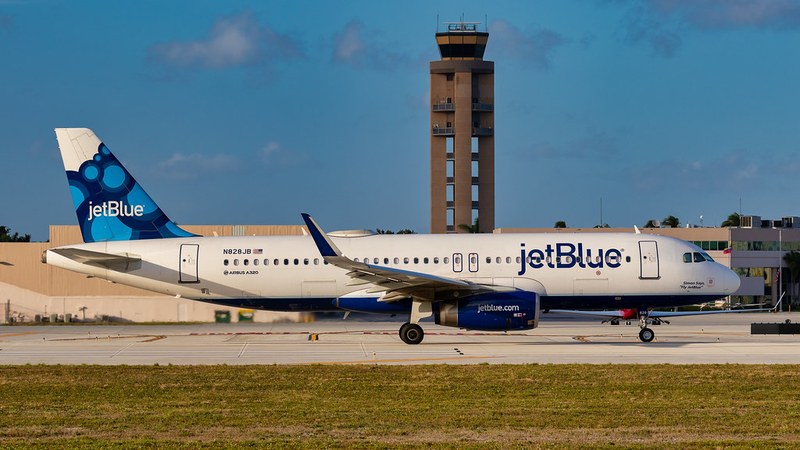
JetBlue tops the list of U.S. airlines with the most flight cancellations on July 23, 2026, driven by summer storms, technology breakdowns, and crew scheduling failures. Since mid-July, several powerful storm systems have caused widespread disruptions across the United States, disproportionately affecting JetBlue flight operations in relation to its size.
Boston Logan and JFK Hubs See Worst Disruptions
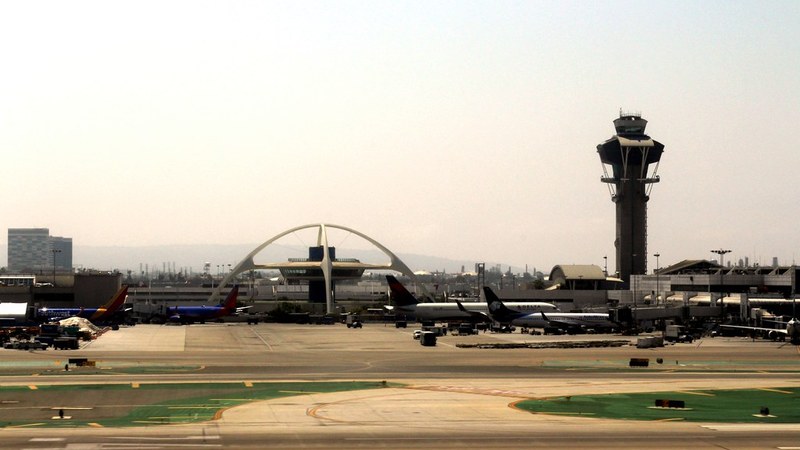
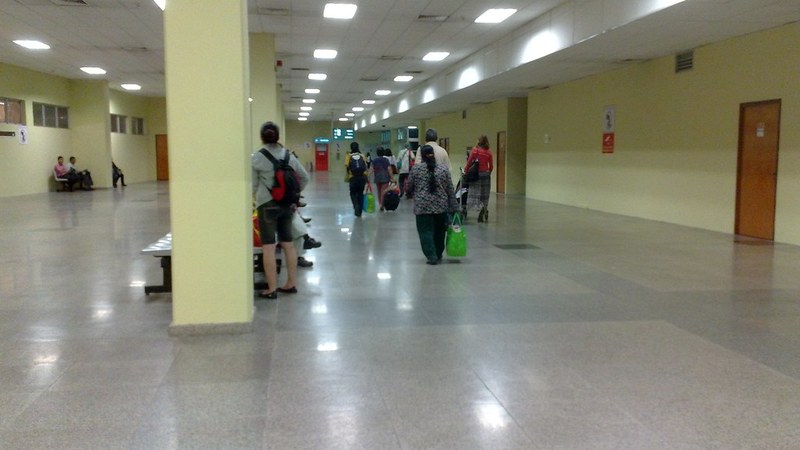
Boston Logan Airport and New York JFK Airport, key JetBlue hubs heavily concentrated within weather-prone Northeast corridors, have been hit hardest by these disruptions. Passengers report repeated delays and last-minute cancellations, often occurring after extended periods waiting at gates. Many travelers at these airports and Florida hubs have experienced missed
connections and unplanned overnight airport stays amid ongoing difficulties in rebooking flights.
Pilot Union Highlights Systemic Scheduling Breakdowns
On July 20, 2026, the Air Line Pilots Association (ALPA), representing more than 4,600 JetBlue pilots, identified a pattern of “operational failures” linked to a system-wide crew scheduling breakdown. Pilots were stranded and left out of position, with some forced to remain overnight in airports without timely hotel accommodations. The union described the Crew Scheduling desk as “effectively unreachable,” exacerbating the crisis caused by severe weather.
Passenger Service Challenges and Operational Impact
Travelers unable to secure prompt assistance reported long waits at service desks, while some counters at Boston, New York, and Florida hubs
were closed overnight. Flight cancellations frequently resulted from federal duty time regulations when crews exceeded legal working limits after prolonged delays. When scheduling systems failed to quickly reassign crews or arrange rest, entire flight days were lost despite improved weather conditions.
Technology Outages and Staffing Constraints Compound Crisis
JetBlue’s website and mobile app have suffered intermittent outages and errors, impairing customer abilities to manage bookings and cancellations. Crew members described hold times of five to six hours when contacting internal support, hindering efforts to realign flight schedules. Industry analysis attributes these issues to strains on the airline’s technology infrastructure, intensified by recent corporate restructuring and lean staffing
levels. This fragility in back-end operations has prolonged the impact of the initial weather disruptions.
These ongoing challenges have intensified scrutiny of JetBlue’s peak-season readiness, as the airline navigates recovery amid persistent summer storms.