JetBlue holds the highest number of flight cancellations among U.S. carriers on July 23, 2026, as summer storms combined with systemic technology and crew scheduling issues disrupt thousands of flights nationwide.
Boston Logan and New York JFK Are Core Disruption Points
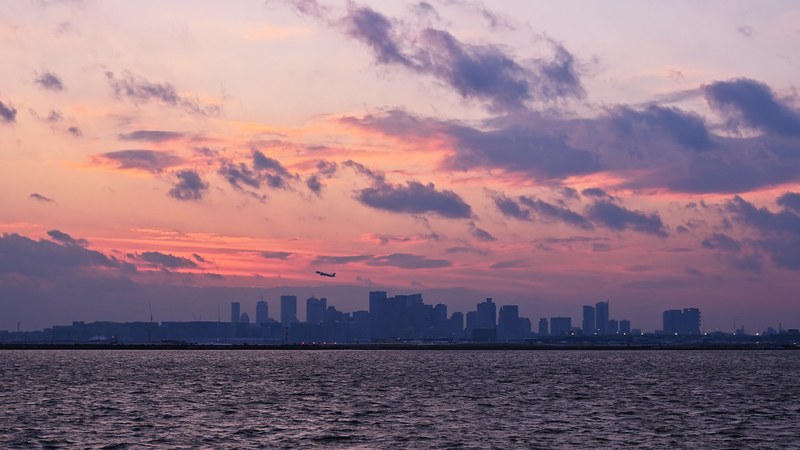
Boston Logan Airport and New York JFK Airport serve as major choke points for JetBlue amid a series of powerful thunderstorms and flooding rain affecting the Northeast since mid-July. The airline’s concentrated network in these weather-prone corridors has magnified operational challenges, particularly following severe weather around July 18. Florida hubs also report delays and cancellations linked to these disruptions.
The Air Line Pilots Association, representing over 4,600 JetBlue pilots,
identified systemwide scheduling failures alongside technology infrastructure weaknesses as root causes of crew mispositioning and flight cancellations.
Crew Scheduling Breakdowns, Digital Outages Compound Delays
JetBlue pilots report being stranded overnight in airports without timely hotel accommodations, while the company’s Crew Scheduling desk became effectively unreachable during the crisis, according to the pilots’ union. These failures contributed to late-night flight cancellations as pilots and flight attendants exceeded their federally mandated duty time limits.
The airline’s digital platforms experienced outages and errors, complicating passenger efforts to rebook or manage cancellations. Customers faced app and website errors during key booking moments, often forcing them to seek alternative carriers at their
own expense. Passenger service desks at Boston, New York, and Florida airports were overwhelmed, with some counters closing overnight amid long queues.
Pilots’ Union Criticizes Operational Failures and Support Access
On July 20, the Air Line Pilots Association publicly condemned JetBlue’s pattern of “operational failures” and described the Crew Scheduling desk as “effectively unreachable” during the peak of the disruption. Pilots’ reports of five to six hour waits on internal help lines and lack of clear instructions for repositioning underline logistical challenges facing the airline’s workforce.
Passenger Experiences Reveal Failed Crew Duty Management
Travelers recounted multiple short delays at gates, often followed by last-minute cancellations when crew members reached their duty limits. These cancellations frequently
occurred late at night, leaving passengers stranded. The inability to promptly assign rested crews prolonged the disruption even after weather conditions improved, reflecting broader fragility in JetBlue’s scheduling system.
Customers reported difficulties using JetBlue’s digital channels, with persistent errors preventing cancellations or same-day changes. Automated messages directing customers to online tools often led to dead ends during critical periods.
JetBlue’s Operational Resilience Under Intensified Scrutiny
Despite a lean fleet and staffing levels, JetBlue’s cancellation count remains highest nationally as its recovery lagged behind larger competitors following mid-July storms. Industry analysts note the airline’s vulnerability stems from systemic crew scheduling failures and technology infrastructure strain occurring during
one of the busiest travel periods annually.
JetBlue recently positioned itself as a reliable carrier by offering rescue fares to another airline’s stranded customers, a claim now clouded by its ongoing mid-summer operational crisis. Passengers holding JetBlue tickets in coming weeks are advised to expect continued uncertainty amid persistent scheduling challenges and weather-related disruptions.