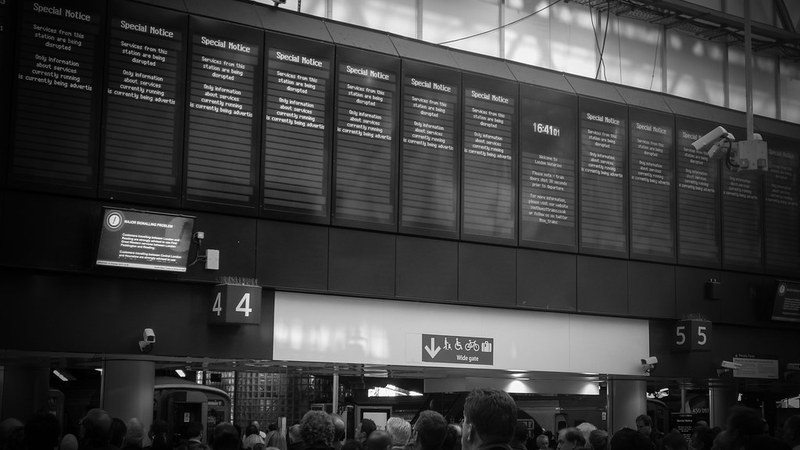
United Airlines canceled more than 2,000 flights across the United States on Tuesday, July 22, 2026. The widespread disruption also caused over 5,000 flight delays nationwide, resulting in at least 7,000 total flight disruptions. The Federal Aviation Administration (FAA) issued ground stops at a minimum of eight U.S. airports, including major travel hubs in the New York City area, Boston, Philadelphia, and Washington, D.C. Additionally, the FAA imposed ground stops at Toronto Pearson International Airport in Canada.
Severe Thunderstorms and Tornado Sightings Trigger Widespread Flight Disruptions
Severe thunderstorms moving through the Northeast United States caused the extensive travel interruptions. Weather and emergency officials confirmed at least two tornadoes touched
down: one in northeast Pennsylvania and another in northern New Jersey. Flood warnings and tornado watches were active across parts of the region. This severe weather caused the FAA to enforce ground stops and contributed to flight cancellations and delays across multiple major airports.
Passenger Impact and Flight Delays at Key Airports
John F. Kennedy International Airport (JFK) experienced nearly 600 canceled departing flights on Tuesday. Though JFK was not under a ground stop, passengers faced significant delays, averaging around four hours of ground time in the afternoon. More than 500 other flights departing from the New York City metropolitan area were delayed. Airlines offered flexible rebooking options
and travel advisories to affected travelers.
FAA Ground Stops and Extended Delays Across Travel Hubs
The FAA’s ground stops at eight U.S. airports and Toronto Pearson International Airport involved pausing departures to manage flight safety amid the severe weather. Unlike a ground stop that temporarily halts all departures, airports such as JFK operated under ground delays that extended wait times without completely suspending flights. The moving storm system caused disruptions across several major travel hubs simultaneously, preventing a quick recovery and contributing to a sustained period of uneven, flight-by-flight recovery across the Northeast corridor.