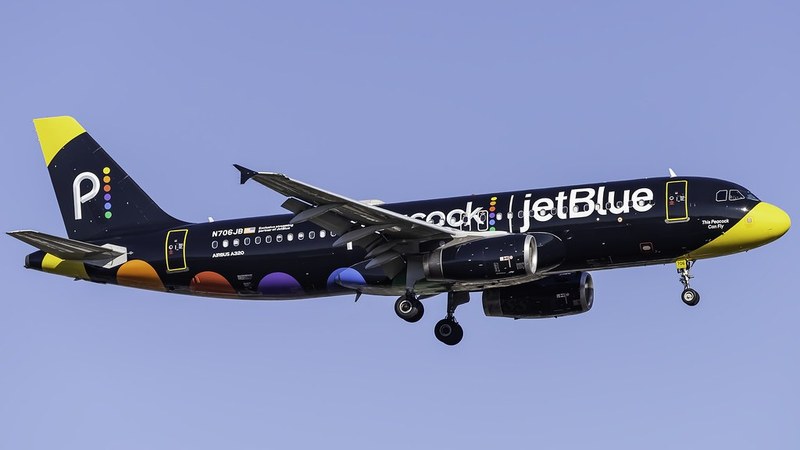
JetBlue led U.S. domestic carriers in flight cancellations in late July 2026, canceling all flights to New York John F. Kennedy Airport (JFK) on July 23 due to severe thunderstorms sweeping the Northeastern United States.
Delays and Cancellations at JFK and Boston Logan
Passengers at JFK and Boston Logan airports faced multiple hours of rolling delays, short-notice cancellations, and difficulty rebooking flights. The storm system that began impacting the region around July 18 disrupted operations heavily across JetBlue’s Northeast hubs. Travelers at these airports experienced long waits at gates and many overnight stays due to consecutive cancellations triggered by crew availability issues.
Operational Failures and Crew Scheduling Breakdown
JetBlue’s internal systems faltered during the
disruption, including technology outages affecting the airline’s website, app, and phone support. Customers and crew reported error messages and unresponsiveness when attempting to rebook or process cancellations. The crew scheduling desk was described by pilots as “effectively unreachable,” leaving many pilots stranded and unable to reposition. The Air Line Pilots Association criticized JetBlue’s “operational failures” and systemic scheduling breakdown that compounded delays.
Storm Timeline, Staffing Vulnerability, and Duty Time Limits
Powerful storms beginning mid-July caused flooding and thunderstorms that heavily impacted JetBlue’s Northeast network. The airline’s smaller fleet and lean staffing levels increased its susceptibility to prolonged disruptions. Federal regulations limiting crew duty times forced cancellations after extended
delays, further reducing available personnel to operate flights. These combined factors prevented a rapid recovery of schedules despite improving weather.
Passenger Impact and Ground Assistance Challenges
Passengers faced long service desk queues at JFK, Boston Logan, and Florida hubs; some counters reportedly closed overnight. Reported wait times to reach JetBlue’s internal support for crew reached five to six hours. Many travelers experienced outages on JetBlue’s digital platforms and were advised to use online tools that were intermittently nonfunctional, prompting some to book alternative carriers at their own cost. The resulting uncertainty and late cancellations extended disruptions beyond the weather impact.
The Air Line Pilots Association, representing
over 4,600 JetBlue pilots, issued a statement on July 20 condemning the airline’s pattern of operational failures during this ongoing crisis. The union highlighted inadequate crew accommodations and scheduling resilience problems that left crews out of position and without timely hotel arrangements.
JetBlue’s summer performance is under heightened scrutiny from regulators and investors concerned about staffing, technology, and peak-season recovery following this disruption. The airline’s recent provision of rescue fares for another carrier’s stranded customers contrasts with its current operational challenges amid high summer demand and severe weather.
Travelers holding JetBlue tickets in the coming weeks were seen monitoring flight
status closely and preparing backup travel options due to the ongoing impact of storms and scheduling fragility.