UAE Tourism Under Strain Amid Strait of Hormuz Geopolitical Deadlock
The tourism industry of the United Arab Emirates is currently experiencing unprecedented challenges linked to the ongoing stalemate in the Strait of Hormuz. This maritime chokepoint, vital for global oil transit, is at the center of regional instability in West Asia, which is severely undermining economic recovery efforts within the UAE’s tourism sector. Persistent tensions have generated heightened security concerns and contributed to fluctuating oil prices, factors that are substantially delaying the rebound of overseas visitor numbers.
While comprehensive travel advisories specific to new restrictions remain undeclared, the situation has induced a pervasive uncertainty affecting travel planning, particularly for U.S.
visitors considering trips to the Gulf region in 2026. Airlines and hospitality operators report increasing complexities navigating the evolving environment as safety risk assessments remain in flux.
Multinational Diplomatic Efforts Aim to Restore Stability in the Strait
In response to the escalating stalemate, an international coalition including nations such as the United States, the United Kingdom, Russia, Brazil, and key Middle Eastern countries like Saudi Arabia, Bahrain, Israel, Qatar, and the UAE itself is driving initiatives to reopen and secure the Strait of Hormuz. These collective efforts prioritize safeguarding the uninterrupted flow of oil, liquefied natural gas (LNG), and trade commodities that are critical not just to regional economies but
also to global markets.
This multinational push incorporates proposals to construct and enhance alternative corridors for oil and LNG transportation. These initiatives are designed to mitigate risks associated with potential interruptions at the Strait of Hormuz, thereby supporting broader economic and tourism recovery in the region.
Travel Disruptions and Heightened Security for U.S. Visitors
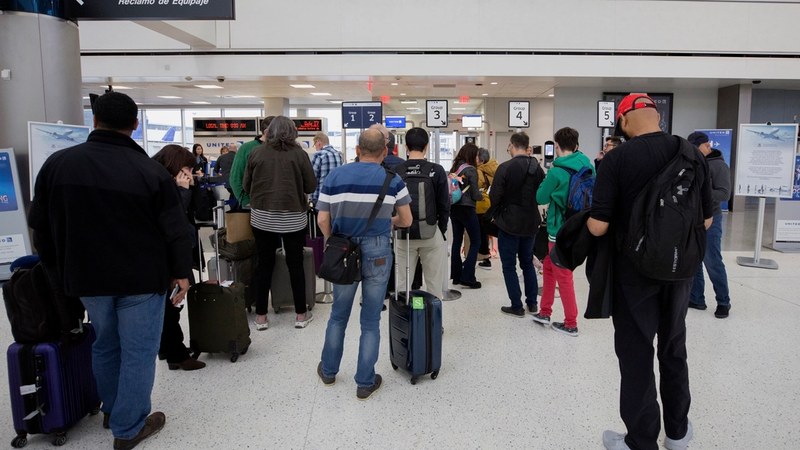
For American travelers, the ongoing crisis translates into several operational challenges. Potential travel delays have been reported due to enhanced security protocols at airport terminals and increased scrutiny at border controls within the UAE and neighboring countries. Security advisories from U.S. government agencies emphasize the importance of monitoring developments, as regional tensions could affect
airspace management and transit corridors.
While no definitive changes to flight schedules or entry requirements have been publicly confirmed, the fluid nature of the situation requires vigilance from travelers and industry stakeholders alike as fluctuating geopolitical dynamics continue influencing travel accessibility.
Impacts on the Middle East Travel Industry and Regional Economies
The repercussions of the Strait of Hormuz impasse extend beyond individual travelers to impact the broader tourism industry and regional economic stability. The UAE, a major travel and trade hub in the Middle East, faces downward pressure on visitor arrivals, hotel occupancy, and related service sectors. These declines are amplified by the volatility in oil markets from disrupted exports,
which undermines investor confidence and government spending capacity on tourism development projects.
Industry analysts note that sustained disruptions in this crucial maritime corridor could force airlines, tour operators, and hospitality providers to adjust offerings, routes, and marketing strategies, further complicating recovery timelines. However, ongoing diplomatic engagements aimed at reopening the strait offer some optimism for long-term stabilization.
Outlook for Stability and Travel Resumption Remains Uncertain
Despite vigorous international negotiations to ease tensions and restore secure passage through the Strait of Hormuz, no clear timetable for resolution is currently available. The complexity of geopolitical interests and divergent regional agendas means the crisis may have lingering effects on the Middle
East travel landscape in the near future.
U.S. travelers planning visits to the UAE or the broader Middle East are advised to remain informed about evolving conditions and to consult official advisories and travel providers to navigate potential impacts. Continuous monitoring of the situation is essential as developments could prompt adjustments in travel requirements or security measures at short notice.
Visual Reference
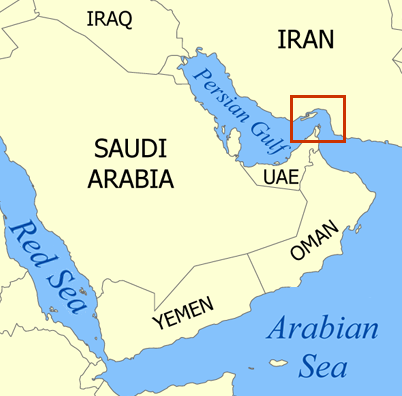
A detailed map of the Strait of Hormuz helps illustrate the critical geographic and strategic importance of this maritime route, underscoring why its stability is vital to international trade and travel.