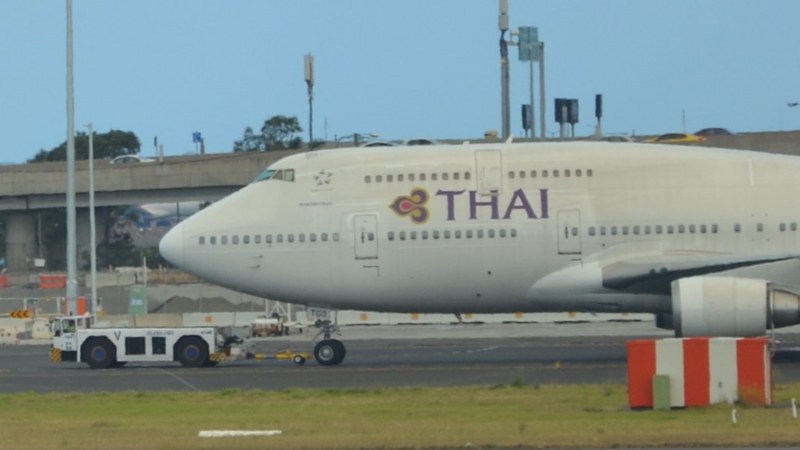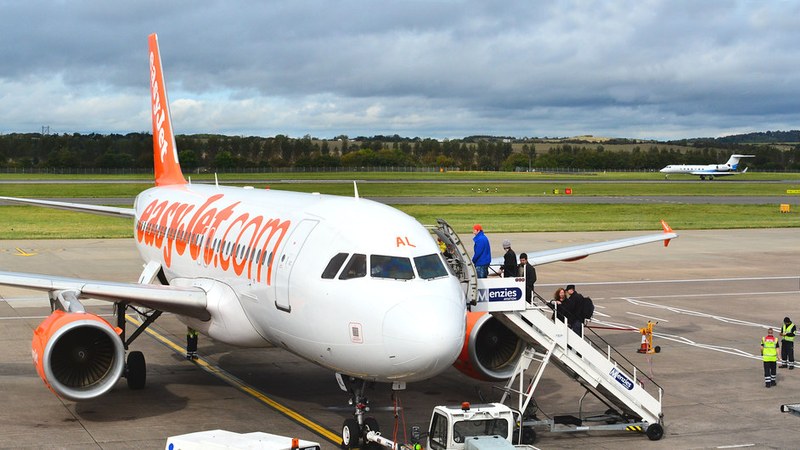
More than 10,700 flights across the United States were delayed on July 17, 2026, due to smoke from over 900 active wildfires burning in Canada. The hazardous air quality forced the Federal Aviation Administration (FAA) to implement ground delay programs that disrupted operations at multiple airports across 18 states in the US Midwest, Great Lakes, and East Coast regions.
Airline Travel Advisories and Waivers Amid Flight Disruptions
United Airlines issued an air quality travel advisory on July 17 covering 17 airports in the US and Canada, including Detroit, Toronto Pearson, Buffalo, Syracuse, Rochester, Duluth, Michigan, Wisconsin, and New York. Passengers with tickets bought by July 16 could rebook
flights scheduled July 17-18 through July 20 without change fees, provided they maintain the same cabin and route.
Delta Air Lines released a Midwest Air Quality Advisory for flights between July 16 and 18 affecting Detroit, Minneapolis-St. Paul, Milwaukee, Green Bay, Grand Rapids, Madison, and other airports in Michigan and Wisconsin. This waiver allowed rebooking until July 21 in the same cabin class without fare differences.
American Airlines covered 29 airports and experienced delays on 42% of its flights on July 17, over twice its usual 20% delay rate. Its waiver deadline for no-cost changes was July 18; unused tickets
remain valid for future travel within a year.
Airport Delays and FAA Ground Delay Programs
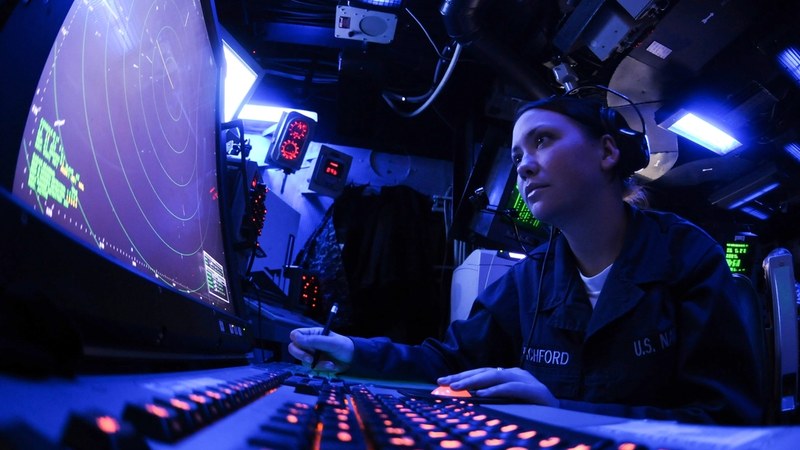
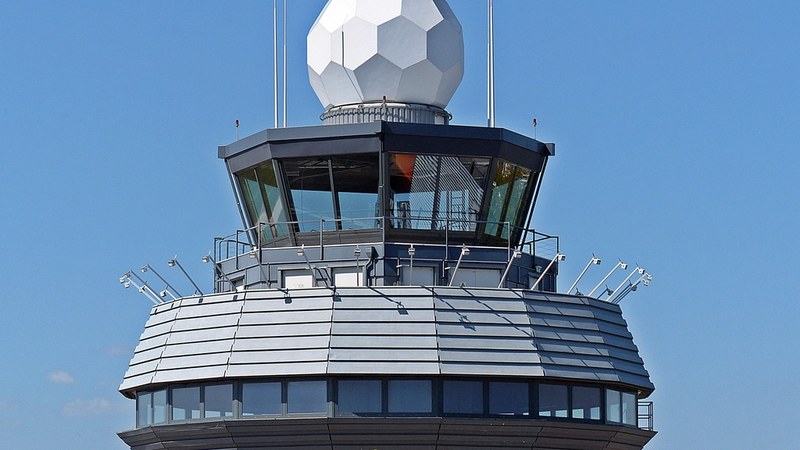
Philadelphia International Airport recorded 365 delays and 12 cancellations on July 16, followed by over 200 delays on July 17, as the FAA imposed a ground delay program. Similar disruptions occurred at hubs like Chicago O’Hare and Detroit, where limited visibility caused by smoke complicated air traffic control operations more than typical weather delays.
Passengers were urged to consult the FAA’s National Airspace System status and directly monitor airlines due to fluctuating delays related to low visibility and hazardous atmospheric conditions.
Air Quality and Ongoing Wildfire Smoke Impact
Hazardous levels of PM2.5 fine particulate matter impacted more than 100
million Americans across 18 states. On July 16 and 17, northern Minnesota reached PM2.5 concentrations above 600 micrograms per cubic meter, well beyond the EPA’s hazardous AQI of 500 and the highest in the country. Detroit also hit an AQI value near 600 on July 16, surpassing its previous all-time record and New York City’s 2023 peak.
Chicago recorded an AQI of approximately 153 at 6 a.m. on July 19, placing it as the second most polluted major city globally at that time, according to IQAir data. The National Weather Service forecasted a third wave of Canadian wildfire smoke would
affect the Great Lakes and Northeast US on July 19 and possibly longer.
The Environmental Protection Agency recommended limiting outdoor exertion at AQI levels above 150 and avoiding outdoor physical activity completely at levels above 200. N95 or KN95 masks are effective at filtering about 95% of PM2.5 particles, whereas cloth masks do not provide comparable protection.
US-Canada Tariff Dispute and Wildfire Cooperation
On July 17, US President Donald Trump threatened via Truth Social to add the “incalculable” cost of Canadian wildfire smoke pollution to existing tariffs on Canada. However, legal analysts note that following a February 2026 Supreme Court ruling, the president no longer has
authority to impose tariffs under the International Emergency Economic Powers Act. The current 10% global tariff under the Trade Act is set to expire on July 24, 2026, and other tariff mechanisms require findings unrelated to wildfire activity.
Ontario Premier Doug Ford criticized the US tariff threat, pointing to current tariffs above 45% on Canadian softwood lumber and calling on the US to lift these duties if it expects Canadian wood shipments to aid forest management. Ford called the US administration’s blame on Canada “a shame” and accused them and Congress of having “a very short, short memory.”
Canada and
the US maintain bilateral wildfire cooperation agreements signed in 1982 and reaffirmed in 2025, supporting coordinated forest fire management efforts between the two countries.
Canadian Government Investment and Climate Attribution of Fires
Canada’s Emergency Management Minister Eleanor Olszewski stated the government has invested $12 billion in forest sustainability and fire prevention since 2020. Prime Minister Mark Carney emphasized climate change as “the responsibility of all countries, including the United States,” highlighting US withdrawal from key climate agreements since the start of the Trump administration’s second term.
Climate scientists link the severe 2026 wildfire season to a record-setting heat wave. An analysis by Climate Central found Ontario temperatures on
July 13 were 25.2°F above average, a condition meteorologist Shel Winkley said would be “virtually impossible” without climate change. This heat wave dried forests and, combined with lightning strikes, fueled rapid fire growth.
Wildfire Statistics and Research Lab Closures
The National Interagency Fire Center reported that US wildfires had burned over 5,740 square miles by mid-July 2026, a 31% increase over the 10-year average. Canada’s 2026 wildfire acreage tracked at 134% of its 10-year average through mid-July, though still below 2023’s record season.
The Trump administration has moved to close several US government laboratories focused on wildfire smoke research, including the Pacific Wildland Fire Sciences Lab
in Seattle. Researcher Ernesto Alvarado noted these closures threaten integrated knowledge and smoke monitoring critical to public safety and wildfire management.