On July 20, 2026, European airports experienced 54 flight cancellations and 1,724 delays affecting operations in Italy, the Netherlands, Switzerland, Hungary, Romania, England, Austria, and Türkiye. The disruptions spanned major hubs including London Heathrow, Rome Fiumicino, Amsterdam Schiphol, Zurich, Vienna, Bucharest, Budapest, Naples, Edinburgh, and Istanbul Sabiha Gökçen airports.
Disruptions Across Major European Airports
Leonardo da Vinci Airport in Rome recorded the highest disruptions with 325 delays and 3 cancellations. Amsterdam Schiphol reported 299 delays and 13 cancellations. London Heathrow had 224 delays and 7 cancellations, while Zurich airport saw 172 delays and 4 cancellations, affecting carriers including Swiss, Air Baltic, Helvetic, and Edelweiss Air.
Vienna Airport experienced 136 delays and 6 cancellations, with Austrian Airlines carrying the largest operational burden. Naples Airport reported 128 delays and 2 cancellations affecting easyJet, Ryanair, Volotea, Lufthansa, and ITA Airways. Bucharest Airport recorded 127 delays and 6 cancellations, with Dan Air responsible for all cancellations and Wizz Air Malta leading in delay counts. Budapest Airport registered 101 delays and 2 cancellations, with Wizz Air most delayed. The disruption also extended to Edinburgh and Istanbul Sabiha Gökçen airports among others.
Major Airlines Most Affected by Operational Issues
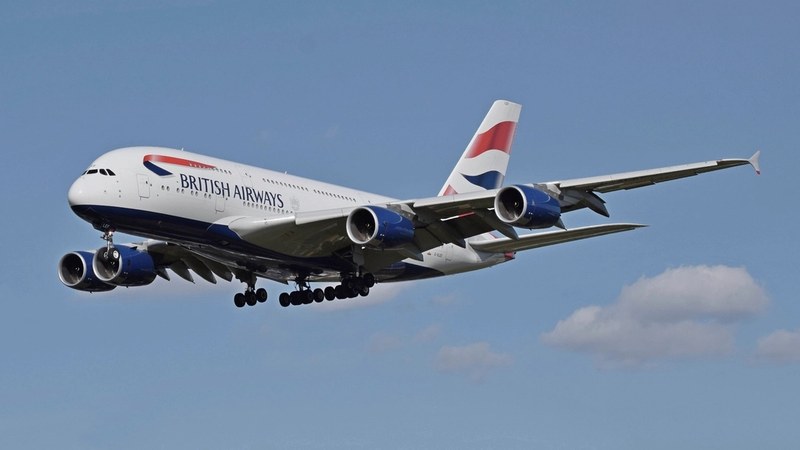
British Airways accounted for approximately 8.1% of total disruptions with 138 delays and 6 cancellations, predominantly at London Heathrow
and Edinburgh airports. KLM followed with 120 delays and 9 cancellations across Amsterdam Schiphol, Edinburgh, and London City airports. easyJet reported 135 delays and 3 cancellations affecting operations at Naples, Edinburgh, Rome, Amsterdam, and Budapest. ITA Airways faced 131 delays and 2 cancellations mainly at Rome Fiumicino and Naples. Wizz Air Malta was heavily disrupted across multiple airports. Other significantly affected carriers include Ryanair, Austrian Airlines, Swiss, Transavia Airlines, German Airways, Vueling Airlines, Pegasus Airlines, and Buzz.
Operational and Geopolitical Causes Behind the Disruptions
Operational challenges, including aircraft rotations falling behind schedule and crew availability constraints, contributed to the delays and cancellations. Congestion at major hubs added
pressure. The ongoing conflicts in the Middle East changed airspace planning and long-haul flight paths, increasing flight times and complicating scheduling for European airlines. The busy summer travel period intensified the difficulty in recovering delayed schedules, causing cascading delays through multiple destinations.
Impact on Travelers and Flight Operations
Passengers traveling through key airports such as London, Rome, Amsterdam, and Zurich experienced significant schedule changes due to delays and cancellations. Both domestic and international travelers were affected by knock-on effects. Airlines continue adjusting operations as disruptions persist and conditions evolve throughout the day.
Context of the Disruptions
The disruptions occurred amid ongoing operational challenges and geopolitical factors influencing European aviation. Conflicts
in the Middle East have altered flight paths and airspace usage, contributing to difficulties in network resilience. The increased demand during the summer travel period exacerbated these issues, affecting Europe’s busiest aviation hubs.