Severe Texas Thunderstorms Lead to FAA Ground Stops at Dallas-Fort Worth Airport
Significant thunderstorms sweeping across Texas imposed FAA directives that brought all departures at Dallas-Fort Worth Airport (DFW) to a halt. The Federal Aviation Administration implemented ground stops as a precaution to maintain safety under turbulent weather conditions typical of the region’s severe thunderstorm activity.
Flight Delays and Cancellations Impact Major US Airlines
The weather-related FAA ground stops triggered extensive operational disruptions involving key domestic carriers. More than 640 flights were delayed, and at least 86 cancellations were recorded, affecting prominent airlines including American Airlines, Southwest, United, and Delta. These interruptions heavily impacted schedules at one of the country’s busiest air hubs.
Ripple Effects Across Texas and National Networks
While Dallas-Fort Worth was the epicenter, the
storm’s influence extended to other major Texas cities such as Austin, Houston, Fort Worth, and San Antonio. The cascading delays at DFW disrupted connecting flights nationwide, complicating travel plans and causing widespread rescheduling challenges across airline networks.
Stranded Passengers and International Travel Considerations
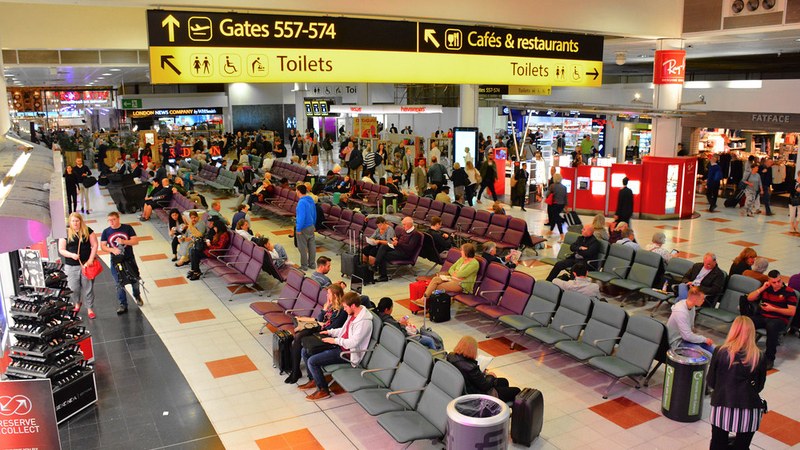
Travelers faced extended wait times and canceled itineraries, with numerous passengers stranded at DFW amid challenging conditions. International visitors from countries including the United Kingdom, India, Japan, Germany, Canada, Mexico, and China were notably affected, highlighting the airport’s role as a critical gateway for global travelers.
Operational and Safety Measures Amid Severe Weather
The FAA ground stops represent a regulatory response designed to safeguard air traffic during hazardous weather episodes.
Such measures temporarily suspend departures to control congestion and mitigate risks associated with thunderstorm-related turbulence and lightning in the vicinity of airport operations.
Context of Weather Disruptions in Texas Aviation
Texas’s geographic and climatic profile presents recurrent challenges for air traffic management, with thunderstorms regularly influencing flight operations. Airports like DFW must coordinate with federal, airline, and local meteorological authorities to balance operational continuity with passenger safety.
Airline Recovery and Passenger Support
Following the easing of storm conditions, carriers typically prioritize the reinstatement of flights and assistance for affected passengers. Flight rescheduling, accommodation, and rebooking support are critical logistical tasks as operations return to normal.
Looking Ahead: Impacts on Travel Industry and Passengers
These disruptions underscore the vulnerability of major
transport hubs to severe weather events and the ongoing necessity for coordinated responses. Airlines and airports continue to refine contingency plans to manage such incidents, emphasizing safety and minimizing passenger inconvenience whenever possible.