On July 20, 2026, Europe’s air traffic experienced significant disruption with 85 flights cancelled and 2,448 delayed across multiple countries, including France, Germany, Spain, the Netherlands, the United Kingdom, Austria, Switzerland, Denmark, Ireland, and Iceland.
Major Airports and Airlines Reporting High Disruption
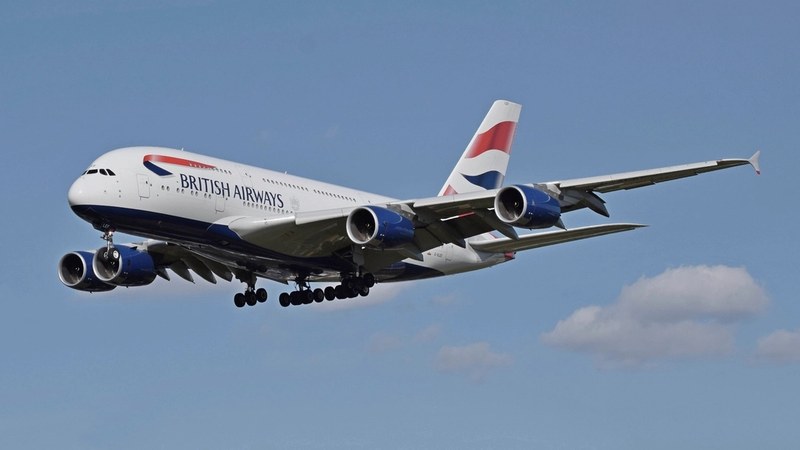
Frankfurt Airport registered the highest delay numbers with 283 delayed flights and 5 cancellations. Lufthansa, dominant at Frankfurt, bore the largest share of these delays. London Heathrow recorded 268 delays and 10 cancellations, largely impacting British Airways, which suffered 139 delays and 4 cancellations. Paris Charles de Gaulle reported 255 delays and 10 cancellations, where Air France faced 125 delays and 3 cancellations. Zurich saw
247 delayed flights and 10 cancellations, with Swiss Airlines experiencing the most delays. Vienna recorded 243 delays and 7 cancellations, overwhelmingly affecting Austrian Airlines, which totaled 153 delayed flights and 8 cancellations. United Airlines registered the highest number of cancellations, with 15 spread across Heathrow, Paris, Zurich, Frankfurt, Dublin, Edinburgh, and Keflavik airports.
Operational and Geopolitical Factors Behind Disruptions
The flight delays and cancellations are attributed to operational challenges combined with heavy summer travel demand at Europe’s busiest hubs. The complexity of thousands of connected flights between Frankfurt, London, Paris, and Vienna means isolated issues rapidly propagate delays continent-wide. Additionally, recent geopolitical tensions are intensifying operational
strains. On July 17, 2026, a ballistic missile and drone attack by Iran targeted a U.S. military base in Jordan, resulting in the deaths of two American service members. The U.S. responded with airstrikes that increased airspace complexity. Heightened security measures and changing airspace policies have added pressure to airline operations, contributing to the scale of disruption.
Impact on Travelers and Flight Networks
Thousands of passengers traveling through major European airports such as London Heathrow, Paris Charles de Gaulle, Frankfurt, Madrid, Barcelona, Amsterdam, Vienna, Zurich, Dublin, Berlin, Copenhagen, Edinburgh, and Reykjavik are affected by schedule changes ranging from delays to cancellations. Major airlines including Austrian Airlines,
British Airways, Air France, Lufthansa, Ryanair, easyJet, KLM, Swiss, United Airlines, and Iberia are all experiencing operational interruptions. The interconnected nature of these airlines’ flight networks means that initial delays at one airport cause cascading effects on subsequent flights in multiple cities.
Europe’s Aviation Network Under Strain
The volume of delayed and cancelled flights across Europe on July 20, 2026, highlights ongoing stress on the continent’s aviation infrastructure amid the peak travel season. Data compiled from FlightAware and cross-checked for accuracy by editorial teams confirms the wide geographical impact and the concentration of disruption at key hubs. Airlines with the largest number of disrupted flights
include Austrian Airlines, British Airways, Air France, and Lufthansa. The extensive ripple effect through Europe’s flight schedules denotes the sensitivity of the current operating environment to both internal logistical and external geopolitical pressures.