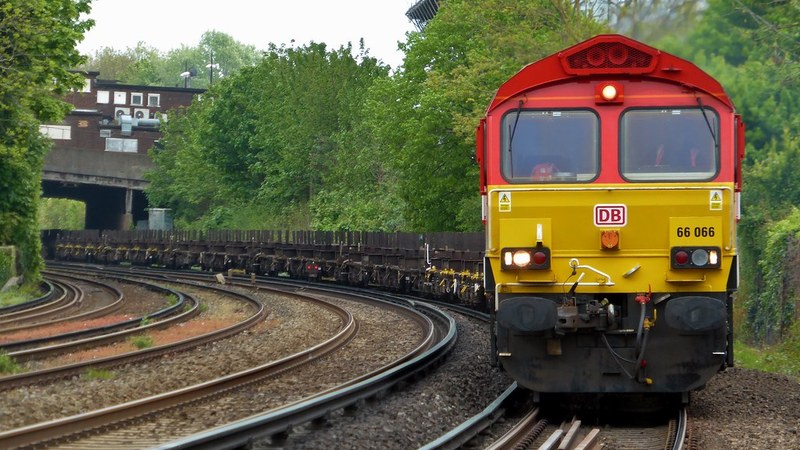
East Midlands Railway (EMR) has announced a reduction in train services starting July 2026 due to continued performance and reliability problems with its new Class 810 Aurora fleet. The operator confirmed that some Intercity services to and from London St Pancras station have been cancelled, while other services will run with fewer carriages than scheduled.
Class 810 Fleet Introduction and Service Impact
The Class 810 trains were introduced to passenger service in December 2025 following a three-year delay. The affected Intercity routes include connections between London St Pancras and cities such as Leicester, Nottingham, Lincoln, Derby, and Sheffield. A reduced timetable has already been in place for
at least two weeks prior to the July 17, 2026 announcement, initially attributed to warm weather, but ongoing fleet issues remain a significant factor.
Passenger Ticket Policies
EMR has made provisions for customers impacted by cancellations. Passengers holding tickets for cancelled trains may travel on a train up to two services before or after their original booking. Those who opt not to travel can request a full refund. The service cuts have resulted in fewer train options and potential delays for travelers on key East Midlands Intercity routes.
Technical and Maintenance Challenges
Alongside the new Class 810 fleet, reliability and maintenance challenges have also affected the existing
Class 222 trains, which were intended to be gradually replaced. EMR stated the Class 810 trains underwent all mandatory safety testing and regulatory approvals before introduction. However, ongoing issues have impacted the operator’s ability to maintain a consistent Intercity service across its network.
Official Statements and Industry Response
Will Rogers, Managing Director of EMR, said the Class 810 fleet’s performance has “fallen below the levels we and our customers expect,” making the timetable reduction necessary. An EMR spokesperson emphasized that the intention behind the Class 810 introduction was “to provide a smooth transition from the Class 222 fleet,” with a period of both fleets operating
under Hitachi Rail maintenance.
Hitachi Rail, the manufacturer of the Class 810 trains, confirmed that more than one-third of the fleet has been delivered and entered passenger service. The company is investing in additional testing at the Long Marston Rail Innovation Centre to support improvements and ensure better fleet introduction. EMR intends to continue rolling out the Class 810 trains in a controlled manner throughout 2026 and into 2027 while working closely with Hitachi Rail to resolve ongoing disruptions.
Rail passenger group Railfuture’s Bruce Williamson criticized the reductions, stating that service cuts move the railway backward amid passenger demand for
reliable and less crowded trains. Harborough MP Neil O’Brien, a regular EMR user, called the situation a “total mess” reflecting months of disruption.