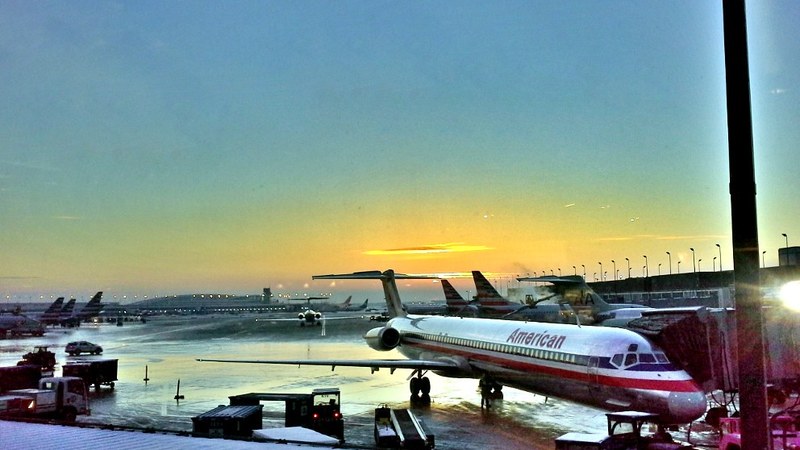
United Airlines faced widespread flight delays across the United States on July 19, 2026, due to a technical system outage that disrupted its check-in and boarding processes. The outage led to significant delays at multiple airports nationwide, severely affecting airline operations.
Separately, persistent wildfire smoke from over 900 active fires in Canada and Minnesota caused additional visibility problems at Mid-Atlantic airports, including Philadelphia International Airport, further complicating the aviation landscape. The dense PM2.5 smoke particles reduced visibility and interfered with aircraft landing instruments, leading to cascading delays across the region and beyond.
Philadelphia International Airport Delays and FAA Ground Delay Program
Philadelphia International Airport (PHL) recorded 365 flight delays
and 12 cancellations on Thursday, July 17, 2026, and over 200 delays on Friday, July 18. The Federal Aviation Administration implemented a ground delay program at PHL from 2 p.m. to 11 p.m. ET on July 18, holding arriving flights at their origin airports to manage limited visibility. The average arrival delay at Philadelphia was 67 minutes on July 18, with some flights delayed over two hours.
Heather Redfern, public affairs manager at Philadelphia International Airport, explained, “Whereas a ground stop halts all traffic, the ground delay will still allow flights to get in; it will just space it out
a little bit more.” This spacing caused delays to cascade across departure and connecting flights. Severe wildfire smoke forced air traffic control to space aircraft further apart, impacting takeoff and landing rates.
Traveler Impacts and Air Quality Advisories
Travelers faced extended wait times and were advised to allow extra connection time, especially through Philadelphia. United Airlines issued an “East Coast Thunderstorm” travel notice, permitting ticket rebooking without fees for travel disruptions earlier in July 2026. Meanwhile, the Maryland Department of Health directed all state agencies to move outdoor activities indoors due to hazardous air quality. Governor Wes Moore’s office declared a Code Red air quality alert
statewide on July 17, with western Maryland reaching Code Purple.
Latasha Lambert, a traveler from Baltimore, said, “The good thing is, we’re a day early for our flight so if it is delayed then if it is delayed it won’t cause us to miss our cruise.” Travelers were urged to monitor the Federal Aviation Administration’s airspace status and airline apps as flight times could change quickly throughout the day.
Technical and Weather-Related Causes of Delays
The technical outage affecting United Airlines’ check-in and boarding systems was the primary cause of the broad delays on July 19, 2026. This issue compounded an already challenging situation caused by
severe thunderstorms forecast for July 18 across the Mid-Atlantic and Eastern U.S. Wildfire smoke intensified the delays by degrading instrument landing systems with fine particulate matter (PM2.5) from the Canadian and Minnesota fires.
Richard Adams, senior manager of forecast operations at The Weather Company, stated, “Thick smoke reduces visibility at airports, forcing air traffic control to space planes further apart and slowing down the rate of takeoffs and landings.” Wildfire smoke disrupts flight operations more severely than rain or fog due to its ability to interfere with navigation electronics, particularly during low-visibility approaches.
Airline Policies and Travel Insurance Coverage
United Airlines and other carriers such as
Delta issued flexible rebooking policies in early July 2026 to accommodate passengers affected by storm-related disruptions. However, airlines generally do not offer automatic waivers for delays caused solely by wildfire smoke. Department of Transportation regulations entitle passengers to refunds only if flights are canceled or significantly rescheduled.
Travel insurance typically covers costs for delays exceeding five to six hours caused by weather but does not cover voluntary cancellations due to smoky conditions unless a Cancel for Any Reason policy was purchased. Travelers were urged to review airline websites for voluntary waivers instead of relying solely on airline apps during these
disruptions.
Wildfire Smoke’s Impact on Aviation and Health
The 2026 wildfire season in Canada is burning at 134% of the 10-year average, leading to persistent smoke over the Mid-Atlantic region. This haze created Code Red and Code Purple air quality levels from Washington, D.C., to Baltimore and Philadelphia, severely affecting both health and aviation operations. IQAir listed Washington, D.C., and Baltimore among the most polluted major cities worldwide during the event.
Wildfire smoke contains PM2.5 particles that not only degrade aircraft navigation but also pose serious health risks. Pulmonary hospitalizations increase with exposure, and the EPA notes this wildfire-specific particulate matter is up to ten times more
harmful than pollution from industrial sources. State agencies advised residents to remain indoors, use recirculated air filtration, and wear N95 or KN95 respirators if outdoor exposure is necessary.