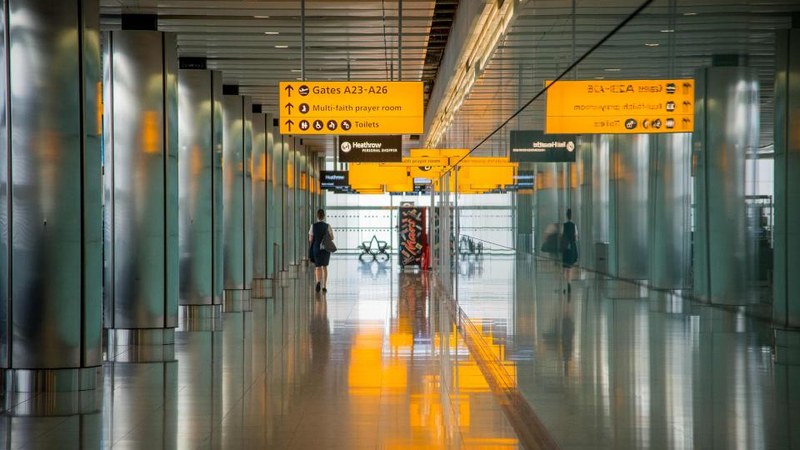
Reimagining Airport Security with Remote TSA Checkpoints
U.S. airports have taken a notable step towards transforming airport security processes through the implementation of remote TSA checkpoints. This latest innovation is aimed at reducing the time travelers spend in security lines by allowing them to complete screening at satellite screening locations before proceeding directly to their departure gates. Though still in early stages and limited in scope, the introduction of these checkpoints signals an evolution in airport security designed to improve passenger experience and airport efficiency simultaneously.
Streamlining Passenger Flow through Remote Screening
The core benefit of remote TSA checkpoints lies in their ability to decentralize passenger screening away from traditional centralized security hubs.
Instead of queuing in large groups near main terminal checkpoints, travelers can undergo screening at remote locations, often closer to their terminal or concourse. After security clearance, passengers can proceed straight to their gates without additional checkpoint delays. This flow promises to alleviate congestion, reduce bottlenecks during peak travel periods, and provide a more seamless transit through airport terminals.
Passenger Experience as Central Motivation
Improving traveler satisfaction remains a key driver behind this technological deployment. Long waits at security checks rank among frequent complaints from air travelers. By curtailing wait times and offering a more direct route to gates post-screening, U.S. airports hope to foster
a more relaxed and predictable airport journey.
Additionally, the remote screening model aligns with modern consumer expectations for efficiency and convenience, potentially reducing the stress associated with airport navigation and security procedures.
Contextualizing Airport Efficiency Gains
Airport throughput, measured by the number of passengers efficiently processed, is a vital operational metric. Traditional centralized security zones can be a drag on this throughput due to spatial and staffing constraints. By introducing remote checkpoints, airports can distribute screening workloads more flexibly across facilities, potentially smoothing out peak demands and improving overall operational resilience.
This model may also open opportunities for airports to better manage gate access
and passenger flows in response to fluctuating flight schedules or unexpected disruptions, adding an adaptive layer to airport management strategies.
Broader Industry Trends and Technology Integration
The deployment of remote TSA checkpoints at U.S. airports fits into a broader industry trend emphasizing technology-driven security and passenger processing innovations. Developments such as biometrics, automated screening lanes, and enhanced data analytics have been increasingly integrated to bolster security while minimizing inconvenience.
Remote checkpoint implementation can be viewed as part of this mosaic, leveraging location flexibility to complement these other advancements. Airports globally continue to explore a multifaceted approach to security that balances robust threat detection with passenger throughput
efficiency.
Implications for Airport Infrastructure Planning
As remote checkpoints mature, airports may need to adapt terminal layouts and passenger signage to accommodate dispersed screening areas effectively. Design considerations will likely focus on ensuring clear guidance and minimizing passenger confusion, thereby safeguarding the efficacy of the process.
Operational Considerations
The TSA and airport authorities will need to coordinate closely to maintain security standards and manage staffing across dispersed checkpoints. Training programs and operational protocols may evolve to address the specific challenges of remote screening locations, including equipment logistics and emergency response readiness.
What U.S. Travelers Should Expect Moving Forward
While the initiative is currently implemented at an initial unnamed U.S. airport, expectations are that successful
trials could lead to broader adoption across the country’s major hubs. American travelers could experience shortened security waiting times and more direct access to departure gates, contributing to a smoother overall journey through the airport environment.
However, travelers are advised to stay attentive to airport communications regarding specific screening procedures to maximize the benefit of these innovations.
Overall, remote TSA checkpoints represent a meaningful advancement in airport security operations, aligned with evolving passenger demands and the growing need for airport efficiency.