Technology Failures Disrupt Operations at Key U.S. Airports
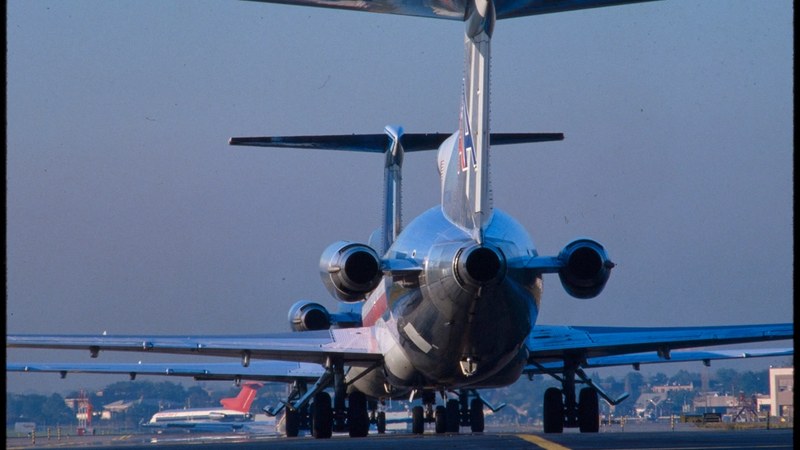
In 2026, several major U.S. airports, including San Antonio International Airport and John Glenn Columbus International Airport, have experienced persistent flight disruptions attributed to technology malfunctions within airline and airport operational systems. These issues have led to notable flight cancellations and delays, putting strain on airline schedules and inconveniencing thousands of travelers.
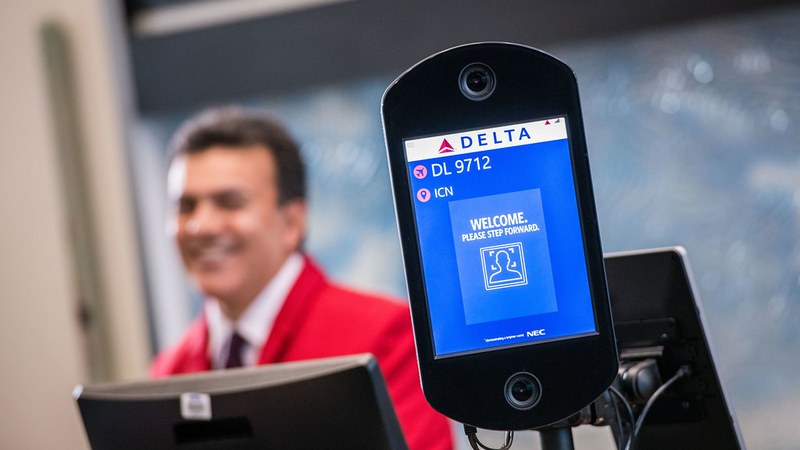
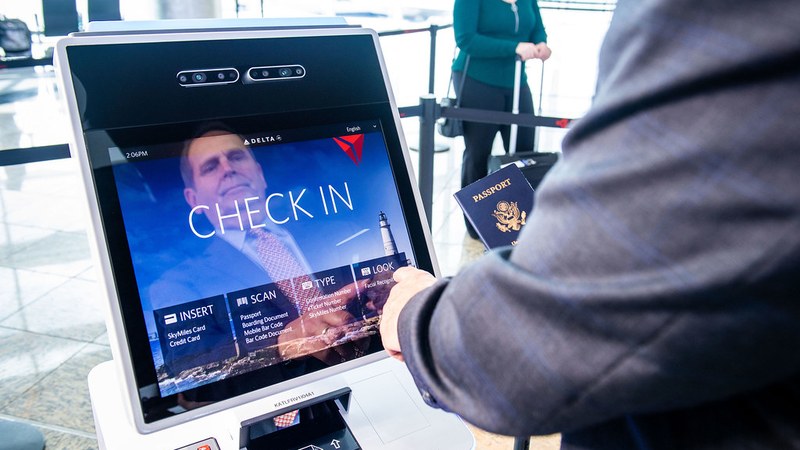
Airlines affected by these operational challenges include prominent carriers such as American Airlines, Delta Air Lines, and United Airlines. The problems have disrupted routine check-in, boarding, and air traffic management procedures, which are critical for maintaining punctual flight operations at busy hubs.
Impact on U.S. Travelers and Airlines
Passengers at affected airports face a
growing risk of delays and cancellations that complicate both domestic and international travel plans. With increased irregular operations, travelers encounter extended wait times, congested terminals, and challenges in rebooking connections or alternative routes.
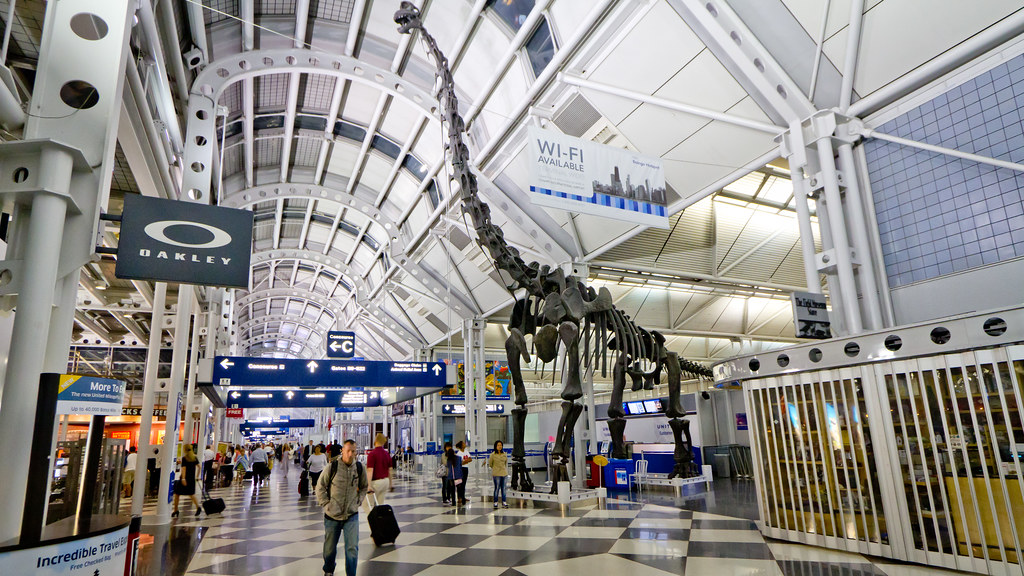
For airlines, the cascading effect of technology failures not only hampers on-time performance but also increases logistical complexities. Staff must handle additional customer service demands amid operational uncertainties. Moreover, the pressure on ground operations and air traffic control coordination at these busy airports highlights vulnerabilities in current system infrastructures.
Broader Industry Ramifications and Ongoing Monitoring
The technology-related disruptions at San Antonio and Columbus airports underscore the critical need for robust and resilient operational
systems across the U.S. aviation sector. As industry stakeholders evaluate impacts, there is mounting emphasis on investments to upgrade IT frameworks and contingency planning to reduce future interruptions.
While the exact technical causes remain within operational internal reviews, attention remains focused on minimizing traveler inconvenience and restoring service reliability swiftly. Aviation authorities and airline operators continue to monitor developments closely, deploying resources to manage the evolving situation and support affected passengers.
The ongoing challenges at these hubs serve as a case study for other U.S. airports reliant on complex technology platforms susceptible to failures. Integrating enhanced system redundancies and proactive
maintenance is increasingly viewed as essential to ensuring smoother operations in high-traffic environments.
For travelers planning trips through San Antonio and Columbus in 2026, it is advisable to stay informed about flight status updates and consider flexible itinerary options. Early check-ins and communication with airlines remain critical in navigating potential operational disruptions caused by technology failures.