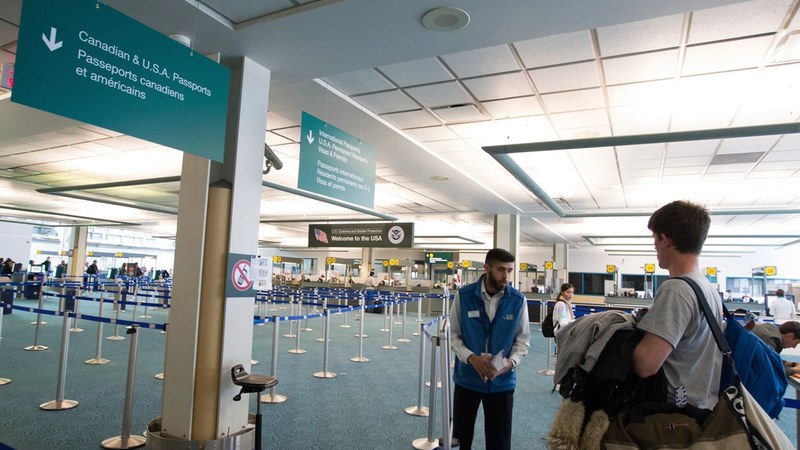
The FIFA World Cup matches held from June 12 to July 7, 2026, in Toronto and Vancouver coincided with an 8.7% increase in non-U.S. resident arrivals at Toronto Pearson International Airport and Vancouver International Airport. Preliminary Statistics Canada data shows approximately 35,000 additional air travelers arrived at these airports in June 2026 compared to June 2025.
Visitor Arrivals Climb at Toronto Pearson and Vancouver
Air arrivals from 15 overseas countries participating in the World Cup matches in Canada increased by 32.5%, adding 29,500 visitors in June 2026 versus the prior year. The largest growth in arrivals was recorded from Panama and Australia. Meanwhile, vehicle entries into Canada by
both U.S. and non-U.S. residents rose 7.2%, equating to 106,700 more entries during June 2026 compared with June 2025. This vehicle entry growth aligned with pre-existing upward trends seen in the months preceding the tournament.
Increased Spending at Toronto Hospitality Venues
Data from Moneris indicates that spending at Toronto’s restaurants and bars grew by 3% from June 12 to June 26, 2026, compared to the same period in 2025. International visitors contributed notably to this increase, with a 34% rise in spending using foreign-issued cards at these establishments during the same timeframe.
Economic Impact Forecasts Reflect Modest Gains
Economists at Bank of Montreal projected that domestic spending and tourism related to the
World Cup would contribute an additional 0.1 percentage points to Canada’s quarterly annualized GDP. Senior economist Sal Guatieri noted that the new travel data correspond with this forecast, pointing to a measured economic lift from the event rather than a substantial boost.
While the event spurred increased visitor numbers and spending in June 2026, the data does not provide detailed information on the total visitor count beyond the noted air and vehicle arrivals, nor does it specify the regional distribution of tourists within Canada outside Toronto and Vancouver.
These findings reflect broader trends observed with major international sporting events, which
often generate temporary rises in international arrivals and localized spending. The FIFA World Cup’s impact in Canadian host cities during June 2026 has thus been measurable but moderate, aligning with tempered economic expectations for such events.