Royal Caribbean Announces Port Change for Ovation of the Seas Alaska Cruises
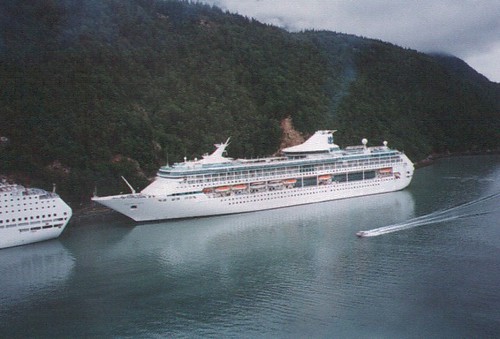
Royal Caribbean has confirmed a significant alteration to its Alaska cruise operations, moving the Ovation of the Seas debarkation port from Seward to Whittier. The decision comes as a response to ongoing construction delays at the Seward Alaska Cruise Terminal, which have affected scheduled cruise itineraries for U.S. Alaska cruise travelers. This shift is expected to influence passenger travel plans and shore excursion arrangements for those planning 2026 Alaska voyages.
Understanding the Port Transition: From Seward to Whittier
Seward has long served as a key gateway for Alaska cruises, but infrastructure delays have prompted the temporary transition of debarkation activities to Whittier. Whittier’s port facilities are now handling
Ovation of the Seas passengers as an alternative while the Seward terminal undergoes necessary upgrades. Since both ports serve as entry points to southeast Alaska’s scenic attractions, cruise passengers will experience different logistical and transit options depending on their egress location.
Unlike Seward, which features extensive waterfront infrastructure and is a common starting point for land excursions such as rail travel to Anchorage, Whittier is geographically unique. It is accessible primarily through the Anton Anderson Memorial Tunnel and requires adjustments in passenger transfers and transportation services. As a result, motorcoach and transfer schedules will likely be realigned to accommodate the
port move.
Implications for U.S. Alaska Cruise Travelers
For travelers booking or preparing for 2026 cruising seasons aboard Royal Caribbean’s Ovation of the Seas, awareness of the Whittier debarkation is essential. This shift may affect connections to local airports, ground transportation, and pre- or post-cruise accommodations. Importantly, passengers should verify arrival and departure logistics, including shuttle services and timing for shore excursions tailored to the respective port.
Tour operators and cruise planners are required to communicate these adjustments to clients to minimize disruption. Additionally, some shore excursions originating from Seward may no longer be feasible due to distance, necessitating alternative travel plans or new excursion selections
from Whittier.
What the Change Reveals About Alaska Cruise Terminal Challenges
The port relocation highlights broader infrastructural pressures faced by Alaska’s cruise terminals, especially with rising cruise traffic in the region. Seward’s construction delays underline the importance of maintaining and upgrading port facilities to support large cruise vessels and ensure smooth passenger experiences. While Whittier serves as a viable interim hub, its limited infrastructure compared to Seward demonstrates the challenges in accommodating large-volume cruise disembarkations.
This situation also reflects the evolving nature of cruise logistics in Alaska, where environmental factors, local infrastructure capacity, and regulatory considerations all intersect. For Royal Caribbean and other cruise lines, ensuring operational flexibility and
clear communication with travelers remains essential amid such port adjustments.
Planning Ahead: Key Considerations for Alaska Cruise Passengers
Confirm debarkation port information directly through Royal Caribbean and official cruise documents. Anticipate possible changes in transfer times and airport connections when disembarking at Whittier instead of Seward. Review and possibly revise shore excursion bookings to reflect the new port logistics. Stay informed of any further updates related to Seward terminal construction and potential impacts on future itineraries.
By proactively adjusting travel arrangements, U.S. Alaska cruise travelers can mitigate the impact of this port change and better enjoy their cruise experience. Staying updated through official Royal Caribbean announcements and trusted
travel sources will be critical as the 2026 cruise season approaches.