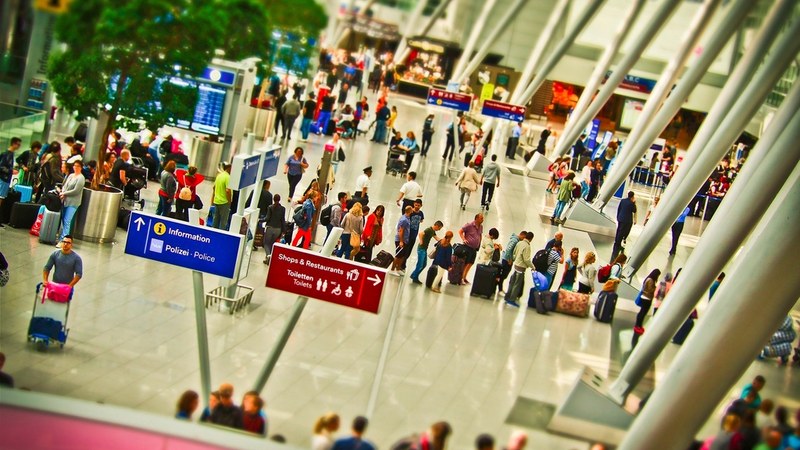
On July 11, 2026, the New York metropolitan area’s three major airports—John F. Kennedy International Airport (JFK), LaGuardia Airport (LGA), and Newark Liberty International Airport (EWR)—experienced delays or cancellations affecting more than 4,500 flights. By midnight that day, over 500 flights had been canceled and more than 4,000 delayed.
Severe Weather and Staff Shortages Behind Flight Disruptions
The extensive flight disruptions resulted from severe thunderstorms impacting the region on July 11 combined with chronic shortages of certified air traffic controllers. The reduced controller staffing limited arrival and departure capacities amid adverse weather, intensifying the operational challenges at the affected airports.
FAA Traffic Management Measures at Multiple Airports
In response, the Federal Aviation Administration’s Air Traffic
Control System Command Center implemented a series of ground stops and ground delay programs targeting JFK, LaGuardia, Newark, and at times Philadelphia International Airport (PHL). Ground stops temporarily halted departures to these airports, while ground delay programs slowed arrivals to align with the airports’ reduced capacity.
Ripple Effects Strain National Aviation Operations
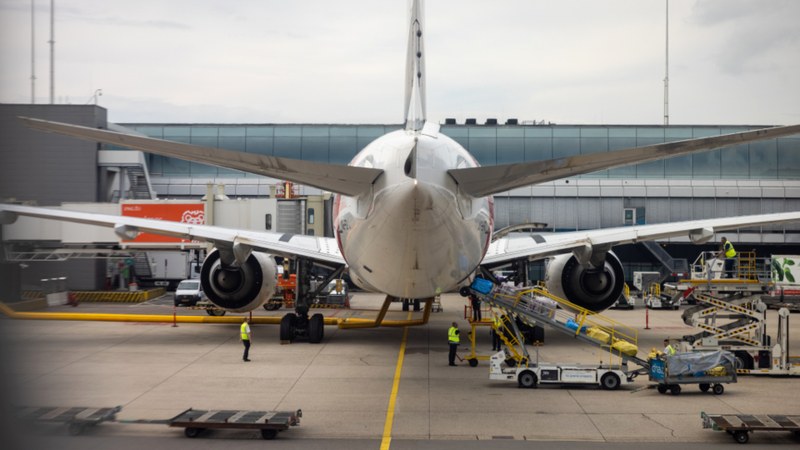
The backlog of delayed departures and arrivals caused aircraft and crews to become stranded, extending disruption well beyond the immediate region. Knock-on effects spread throughout the United States aviation system as flights were affected nationwide by the backlog originating in the New York metropolitan area.
Airlines worked overnight to reposition planes and crews, yet
passengers continued to face delays after the thunderstorms had moved past the area. Travelers experienced significant disruptions despite the weather clearing during the evening of July 11.
Passengers were advised to check current flight statuses due to the prolonged operational recovery process following such a large-scale disruption.
Significance of New York Airports and Vulnerabilities Revealed
The three New York airports involved rank among the busiest and most interconnected globally, serving as key hubs for both domestic and international routes. Disruptions at JFK, LaGuardia, and Newark frequently cascade throughout the national airspace system due to their central role in U.S. air traffic.
The July 11 disruptions exposed ongoing vulnerabilities
of this critical airspace to severe weather and limited air traffic control staffing, challenges which commonly intensify during peak summer travel periods.