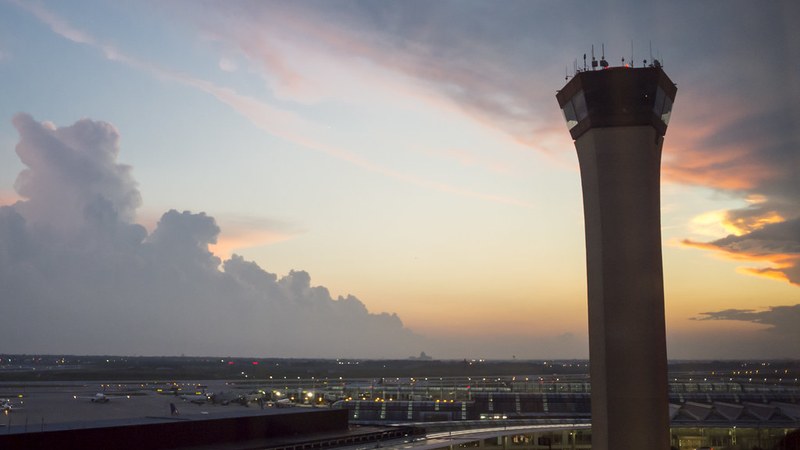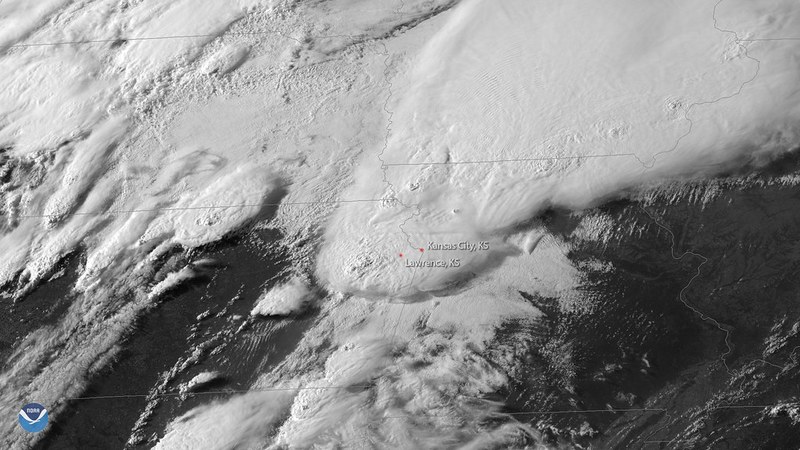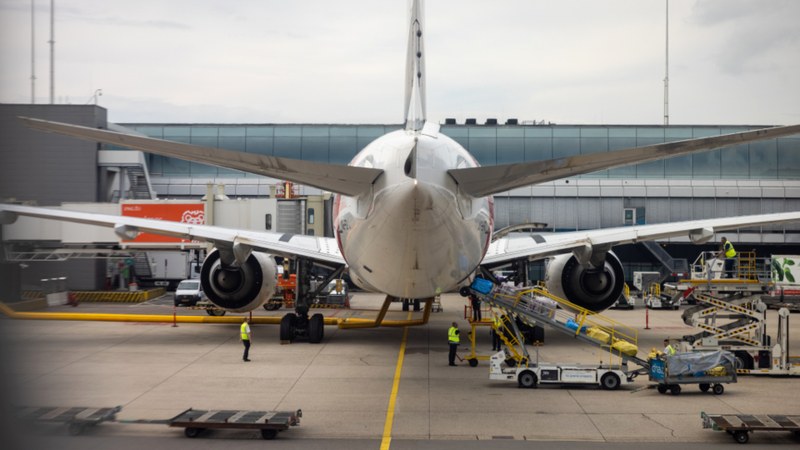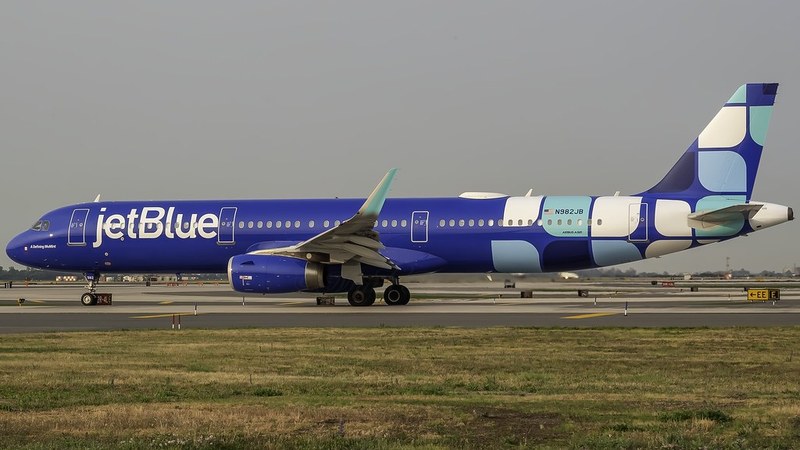
More than 4,500 flights were delayed or cancelled across John F. Kennedy International Airport, Newark Liberty International Airport, and LaGuardia Airport on July 11, 2026, according to Rus Tourism News. The disruption escalated to over 500 cancellations and over 4,000 delays by midnight as severe thunderstorms swept through the New York metropolitan area.
Severe weather combined with chronic air traffic controller shortages reduced arrival and departure capacity at JFK, LaGuardia, and Newark. The Federal Aviation Administration’s Air Traffic Control System Command Center responded by implementing successive ground stops and ground delay programs at these airports, as well as at Philadelphia
International Airport, to manage air traffic flow safely during the storms.
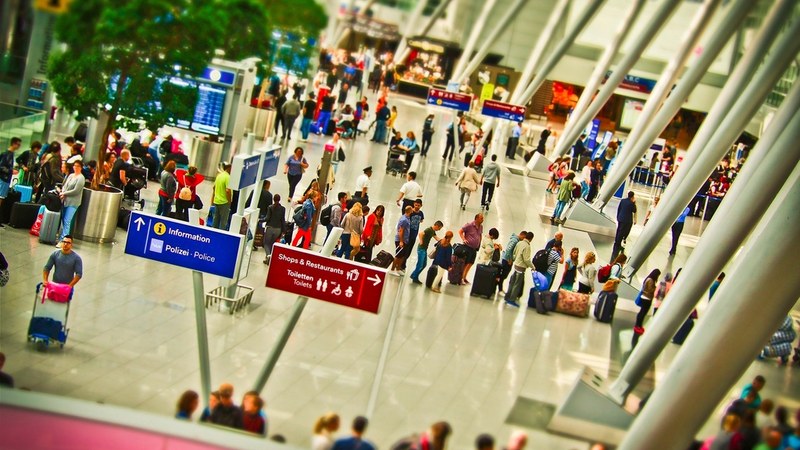
Ground stops temporarily halted outgoing flights bound for the affected airports, while ground delay programs reduced the rate of incoming aircraft to match the limited operational capacity. Despite airlines repositioning crews and aircraft overnight, delays persisted beyond the storm’s passage, leaving passengers stranded and causing extensive travel disruptions across the United States.
New York Airports’ Role in National Air Travel
JFK, LaGuardia, and Newark are among the busiest and most interconnected airports worldwide. Disruptions at these hubs often ripple through the national aviation system, impacting flights well beyond the Northeast corridor. The combination of summer thunderstorms, which
regularly affect the region, and ongoing shortages of certified air traffic controllers limited operational flexibility, amplifying delays and cancellations during this event.