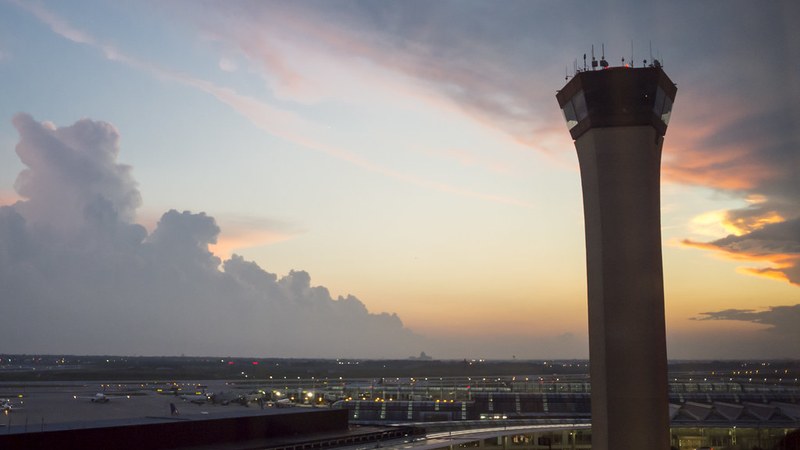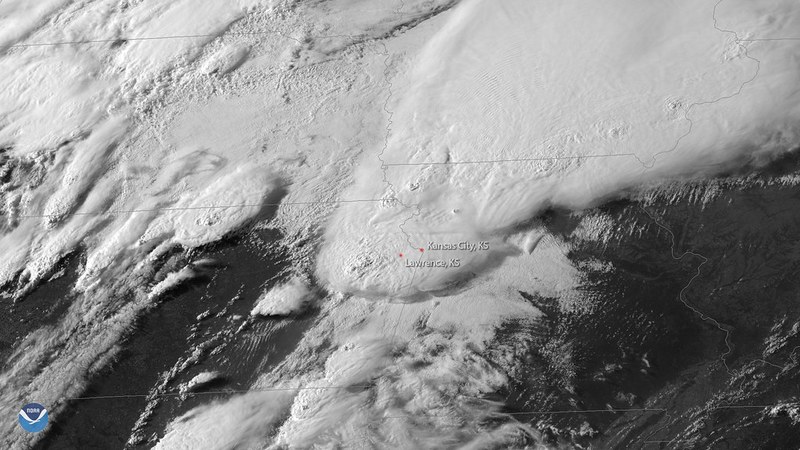
More than 4,500 flights were delayed or cancelled across the New York metropolitan area’s major airports during the early hours of July 11, 2026. By midnight, the disruptions included over 500 flight cancellations and in excess of 4,000 delays affecting John F. Kennedy International Airport, LaGuardia Airport, Newark Liberty International Airport, and at times Philadelphia International Airport.
FAA Implements Ground Stops and Delay Programs
The Federal Aviation Administration’s Air Traffic Control System Command Center ordered successive ground stops to halt departures heading to the four airports. Additionally, ground delay programs were applied to incoming flights to reduce arrival rates and match lowered operational capacity. These traffic management
strategies aimed to maintain safe aircraft separation amid the operational constraints caused by the weather and staffing issues.
Severe Thunderstorms and Controller Shortages Reduce Capacity
The disruptions originated from severe thunderstorms which passed through the region during the early morning, combined with a long-standing shortage of certified air traffic controllers. Limited staffing reduced the airports’ arrival and departure capacities during the adverse weather, forcing air traffic controllers to manage fewer flights simultaneously. This combination caused a significant reduction in throughput across the Northeast corridor’s busiest airports.
Passenger Impact and Travel Guidance
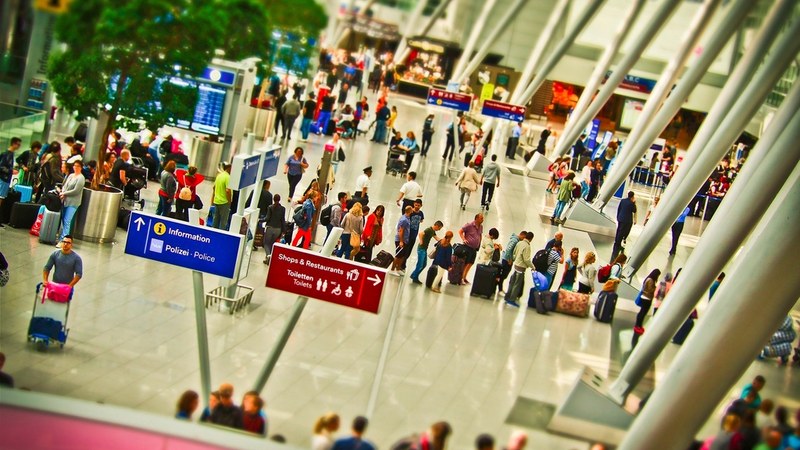
The cascading delays and cancellations left thousands of passengers stranded or experiencing lengthy waits. Recovery from the extensive operational disruptions extended
for many hours after the storms had passed. Travelers were advised to check their flight status before proceeding to the airport due to continued delays.
The New York metropolitan area’s major airports serve as some of the busiest and most interconnected air hubs globally. Disruptions at JFK, LaGuardia, and Newark significantly influence the overall national aviation system, causing downstream delays and cancellations throughout the United States.
This event represents the most extensive air travel disturbance in the New York metropolitan area during the summer of 2026. It demonstrates the vulnerability of a congested airspace to the combined effects of adverse
weather and limited air traffic controller availability during peak summer travel periods.