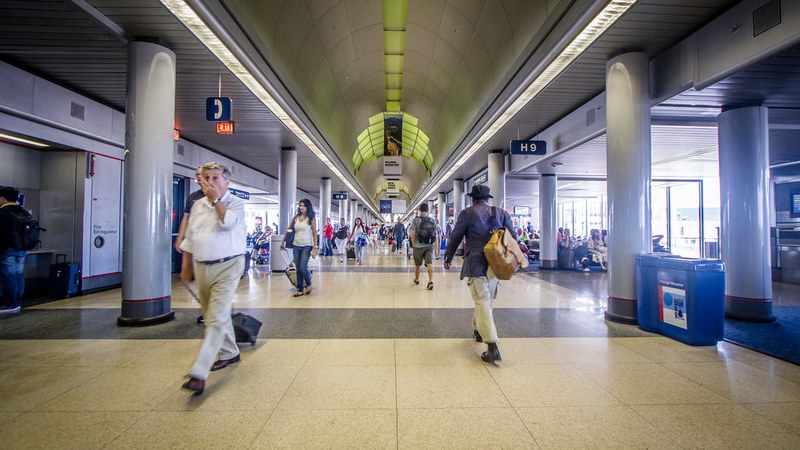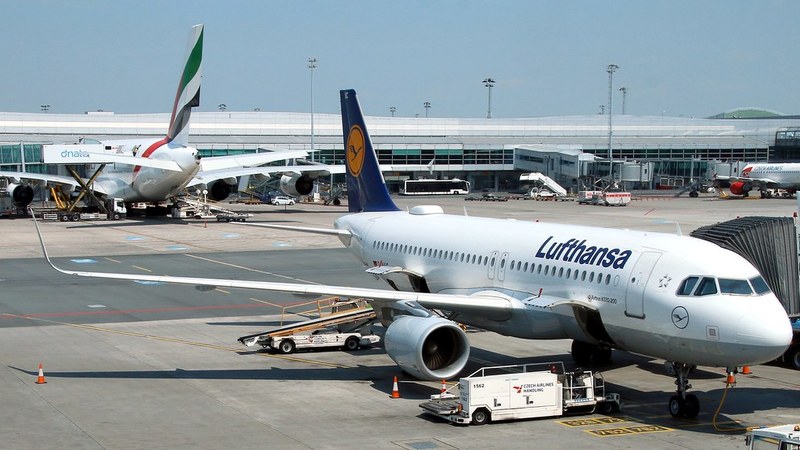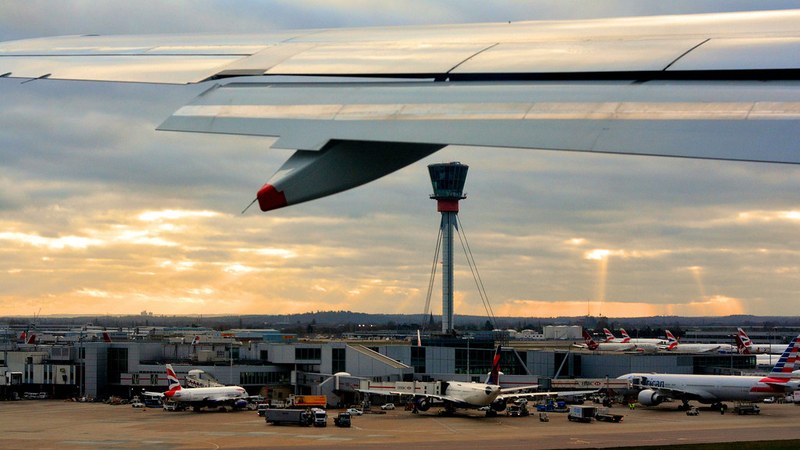
Germany and Switzerland issued a travel advisory on July 14, 2026, alerting passengers to extended wait times and operational challenges at major airports including Frankfurt Airport, Munich Airport, and Zurich Airport during the summer 2026 travel season.
Operational Causes of Delays
The advisory cites high passenger volumes, severe thunderstorms, and rerouted flights to avoid conflict-affected airspace as key factors straining airport operations across Central Europe. Air traffic control restrictions further exacerbate delays and lengthen passenger processing times at these hubs.
Flight delays and congestion at Frankfurt, Munich, and Zurich airports disrupt airline schedules, baggage transfers, and aircraft rotations. These factors increase waiting times for
check-in, security screening, and immigration during peak travel periods.
Airline and Airport Recommendations
Lufthansa and SWISS recommend that travelers download their official mobile applications to access real-time updates regarding gate changes, boarding times, connection information, and flight delays. These updates often precede airport display screens.
Airport authorities continuously adjust aircraft parking positions, boarding gates, and departure slots at Frankfurt, Munich, and Zurich to maximize efficiency and maintain safety amid heavy passenger traffic. Passengers must monitor digital notifications rather than rely solely on printed boarding passes.
Germany and Switzerland operate modern automated border management systems combined with traditional passport controls. European airports increasingly deploy biometric
technology including facial recognition and electronic passport verification. Airport staff dynamically redirect passengers between biometric and manual passport control lanes to optimize queue management.
Traveler Impact and Guidance
Non-European Union travelers should allocate additional time for immigration procedures during peak travel periods. Airlines advise allowing extended connection times, particularly for international transfers and separately booked flights.
Passengers must ensure passports are valid and visas complete before travel. Following airport signage and border officials’ instructions is essential due to dynamic reallocation of processing lanes and biometric processing enhancements.
Tourism and Infrastructure Status
Despite airport operational challenges, historic cities such as Berlin, Munich, Hamburg, Zurich, Geneva, and Lucerne remain fully
operational as tourist destinations, with open rail services, hotels, museums, and cultural attractions.
Biometric technologies and automated border controls help facilitate passenger flows while maintaining security at German and Swiss airports throughout the busy summer travel season.