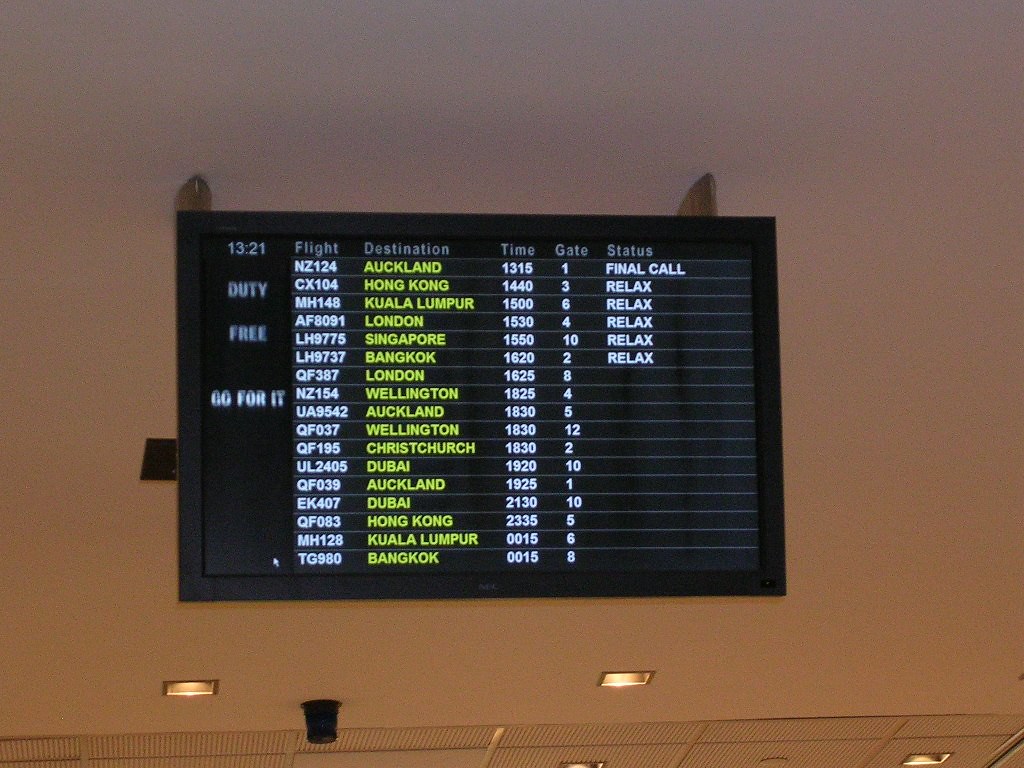
Middle East Travel Turmoil Triggers Widespread Disruptions
The international travel landscape in 2026 is facing pronounced disruptions linked to ongoing geopolitical and operational issues within parts of the Middle East, notably involving countries such as Oman, Iran, and Israel. These developments have led to a ripple effect across Europe and Gulf aviation sectors, significantly affecting flight operations to and from these regions. The resulting instability has contributed to increased flight cancellations and mounting difficulties within tourism refund processes.
For U.S. travelers, this turmoil presents escalating challenges when scheduling international journeys, particularly those connecting through key hubs in Europe and the Gulf region. Airlines operating across these corridors
are grappling with complex logistical issues, including rerouted flights and cancellations, which continue to propagate uncertainty among passengers planning travel from or to the United States.
Impact on Flight Cancellations and Passenger Itineraries
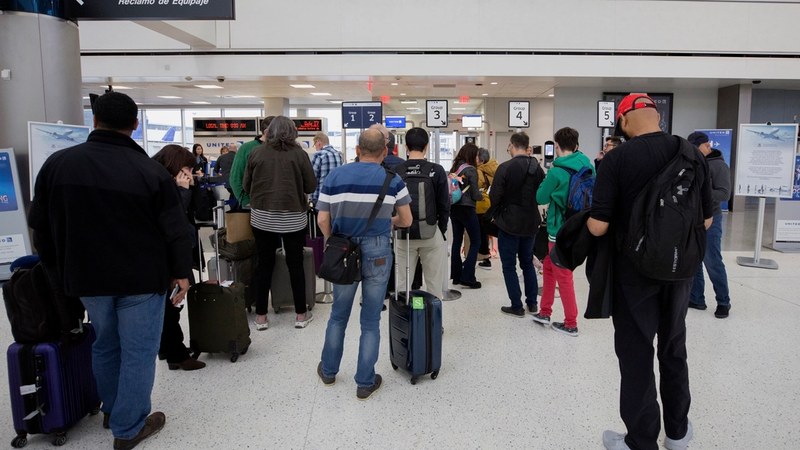
Passengers attempting to navigate travel routes affected by the Middle East conflicts have encountered sudden flight cancellations and frequent itinerary changes. These conditions not only affect direct flights to and from the involved countries but also indirectly disrupt connections in broader European and Gulf aviation networks.
Such cancellations have led to congestion in alternative routing options, thereby causing delays and increased operational stress on carriers. The scope of these disturbances extends beyond local passengers,
impacting global travelers, including a significant segment of American tourists and business travelers. Many find their travel plans subject to last-minute modifications, which complicates onward journeys and connecting flights.
Challenges with Tourism Refunds Amid Uncertainty
Adding to the traveler difficulties is the reported chaos surrounding tourist refund policies. The volatility in flight operations has overwhelmed airline customer service departments and travel agencies alike, resulting in prolonged refund processing timelines and complex compensation procedures.
U.S. travelers specifically report delays in receiving reimbursements, especially for tickets booked through multi-airline itineraries crossing affected regions. The lack of harmonized refund frameworks across different carriers and jurisdictions exacerbates these issues, leaving
many passengers in limbo with pending claims. Travelers are encouraged to maintain detailed records of their transactions and communications to support their refund requests.
Practical Considerations for U.S. Travelers
In light of these evolving disruptions, U.S. passengers planning trips to Europe or the Gulf should exercise caution and flexible planning strategies. Staying attuned to airline advisories and government travel updates can help anticipate changes. Booking flights with flexible cancellation policies or travel insurance that covers unexpected itinerary adjustments could mitigate financial risk.
Travelers are also advised to allow extra time for connections and to directly confirm flight status prior to departing for the airport. Using
official airline apps or trusted booking platforms provides real-time notifications that can be critical in managing sudden schedule alterations. While these disruptions present tangible challenges, informed traveler preparation may ease the impact of ongoing Middle East and related international aviation disturbances.
As the situation continues to develop, the global travel industry remains vigilant in adjusting operations while attempting to maintain service levels. For now, affected regions and travelers alike are navigating a complex environment marked by unpredictable flight paths and evolving refund complexities.