Cruise Ship Rotterdam Docking Marked by Health Concerns
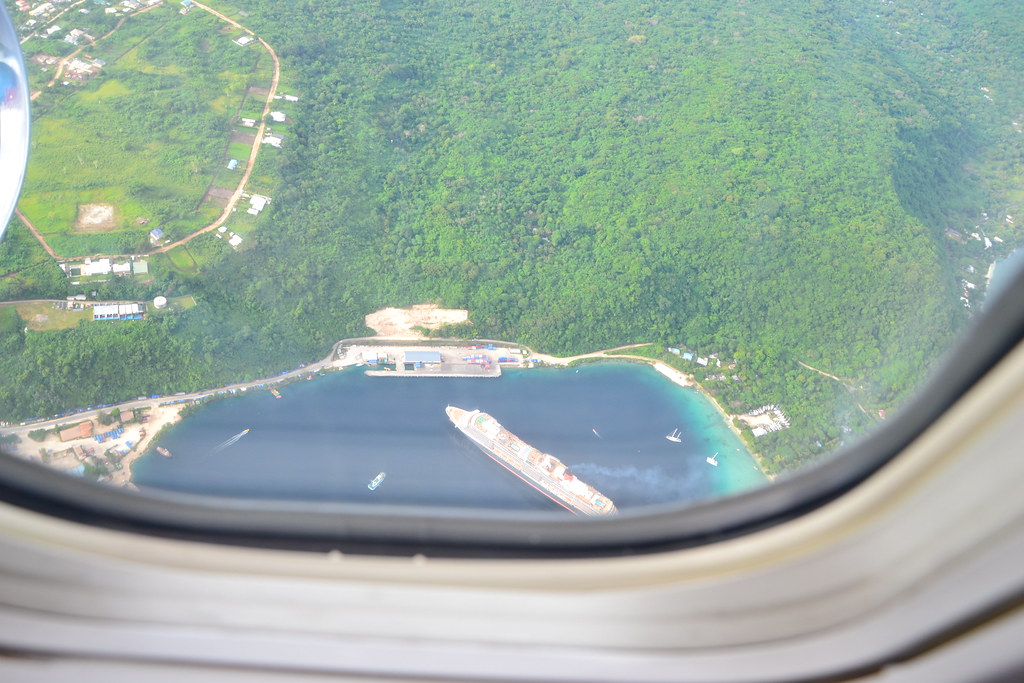
A cruise ship with a confirmed hantavirus case recently docked in Rotterdam, prompting immediate measures by international health authorities. The vessel underwent an extensive disinfection process at the port, adhering to stringent international disinfection protocols designed to control and minimize the spread of infectious diseases on cruise ships.
This development comes amid heightened global scrutiny of cruise ship health security, as the travel and maritime industries adapt to ongoing challenges posed by emerging health threats. Rotterdam, being a significant international port, played a central role in coordinating the rapid response to the hantavirus detection.
Impact on U.S. Passengers and Quarantine Implementation
Following the discovery of the hantavirus
case onboard, U.S. health officials have issued quarantine orders for two passengers connected to this cruise ship. These measures are part of a controlled effort to mitigate potential spread upon return to the United States. The quarantine protocols encompass enhanced monitoring and isolation steps to ensure traveler and public safety.
While the exact number of infected passengers beyond those quarantined has not been disclosed, authorities continue to monitor the situation closely. The quarantine orders have implications not only for those directly affected but also for the broader community of American travelers who may have been in contact or have pending
cruise departures with the affected vessel.
International Disinfection and Health Protocols Intensify
The Rotterdam docking underscored the importance of rigorous international disinfection protocols that cruise operators must follow when infectious agents are suspected or confirmed. Health authorities at the port conducted comprehensive inspections and sanitation efforts, ensuring the vessel met safety standards before clearance for further operations.
Such procedures have become increasingly vital within the cruise industry, where rapid transmission of illnesses poses significant risks in confined environments. The collaborative approach between port authorities and health agencies exemplifies a coordinated response that could serve as a model for managing future health alerts on cruise ships worldwide.
What This Means for American Cruise Travelers
American travelers should be aware that enhanced health and quarantine protocols may influence upcoming cruise itineraries and boarding procedures, particularly involving ships with port calls in areas experiencing health alerts. It is advisable for passengers to stay informed through official channels about potential itinerary changes and pre-boarding screenings.
Travelers are encouraged to plan with flexibility and verify health requirements with cruise operators before departure. Awareness of quarantine measures and preparedness to comply with health monitoring can help minimize disruptions and contribute to collective safety efforts within the cruise community.
The situation at Rotterdam serves as a reminder of the evolving
challenges facing global cruise travel. Continued vigilance and adaptive health strategies remain crucial in maintaining traveler confidence and operational continuity in an uncertain health landscape.