FAA Intervention Triggers Widespread Flight Cancellations at Dallas Fort Worth Hub
American Airlines has been forced to cancel a substantial number of flights at its Dallas Fort Worth International Airport hub amid regulatory intervention by the Federal Aviation Administration (FAA). These cancellations come during one of the busiest travel periods in the United States, as holidaymakers prepare for Memorial Day. The situation has created a ripple effect on travel schedules nationwide, affecting both domestic and connecting flights.
Impact on U.S. Memorial Day Travel Plans
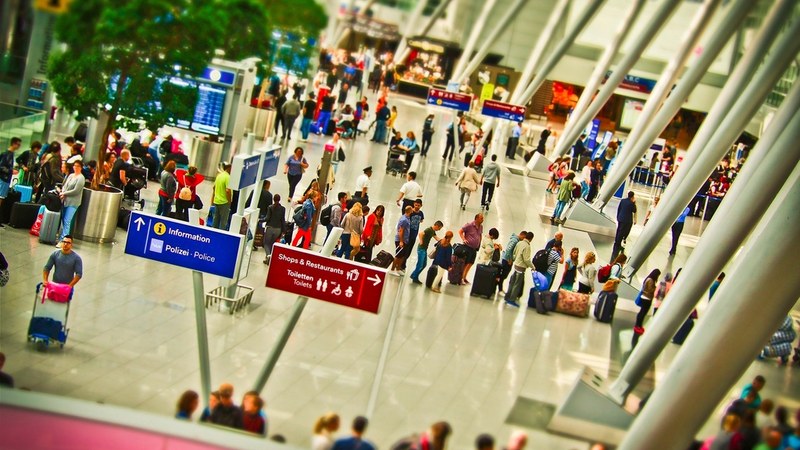
Memorial Day traditionally marks a peak travel period, with millions of Americans taking to the skies. The unexpected scale of flight disruptions centered around the Dallas Fort Worth airport has presented considerable challenges for
travelers. Delays and last-minute schedule changes have forced passengers to alter their itineraries, seek rebookings, or consider alternative transportation options.
Understanding the FAA’s Role in Airline Operations
The FAA oversees safety and regulatory compliance for all commercial airlines operating in the U.S. While details of the agency’s recent intervention with American Airlines remain limited, this action underscores the FAA’s ability to influence operational decisions of airlines during critical periods. The intervention has prompted the airline to implement cancellation measures aimed at mitigating more severe delays and congestion.
Regulatory Context Without Full Disclosure
Public reports confirm FAA involvement has preceded these cancellations, yet specifics about enforcement measures or operational directives have not been
fully disclosed. Travelers and industry watchers await further details, but current impacts are clear—flight disruptions centered on the American Airlines hub at Dallas Fort Worth.
Practical Guidance for Affected Passengers
Travelers with upcoming flights from or through Dallas Fort Worth are advised to monitor American Airlines communications closely. The airline is expected to provide options for refunds, rebooking, and ticket changes. Enhanced preparation, including early airport arrival and flexible itinerary planning, is recommended to navigate potential delays effectively.
Passengers are also encouraged to explore alternate routes when possible and remain informed via official airline channels and airport updates to minimize travel inconvenience.
Dallas Fort Worth Airport’s Strategic Role in U.S. Air Transport
Dallas Fort Worth
International Airport is among the largest and busiest airports in the nation, serving as a critical connecting hub for American Airlines. The scale and timing of these cancellations highlight how operational disruptions at a key hub can quickly cascade into broader network challenges, especially during major holiday periods.
Contextually, the disruption at DFW also reflects broader industry challenges balancing regulatory compliance, operational capacity, and customer service during peak travel demand.
Looking Ahead: Managing Airline Network Disruptions During Peak Seasons
American Airlines’ experience underscores the complexities of managing airline operations under regulatory scrutiny, especially at major hubs amid peak travel demand. Industry stakeholders are closely watching how airlines and regulatory
bodies collaborate to address such disruptions and restore normal operations swiftly.
For travelers, the current situation serves as a reminder to maintain flexibility and stay informed throughout holiday travel, particularly when flying through major hubs that could be affected by regulatory or operational developments.