AI Integration at European Borders Signals New Era in Travel Security
Europe is introducing advanced AI-powered border control systems that promise to enhance security measures at key entry points across the continent. These technological upgrades are part of a broader move to leverage artificial intelligence for identifying potential risks more efficiently. While the focus is on bolstering security, the implementation of these systems has raised important considerations for travelers, particularly those arriving from the United States during the busy Summer 2026 travel season.
Potential Impact on U.S. Travelers Visiting Europe
For U.S. travelers planning trips to Europe in Summer 2026, the introduction of AI-driven security checks may translate into longer processing times at airports and border crossings. Enhanced
screening protocols embedded within the AI systems could increase the duration of identity verification and risk assessments. As a result, travelers should anticipate the possibility of delays and plan accordingly, allowing extra time for border procedures when scheduling flights and connections.
Understanding the AI Technology Behind the Border Systems
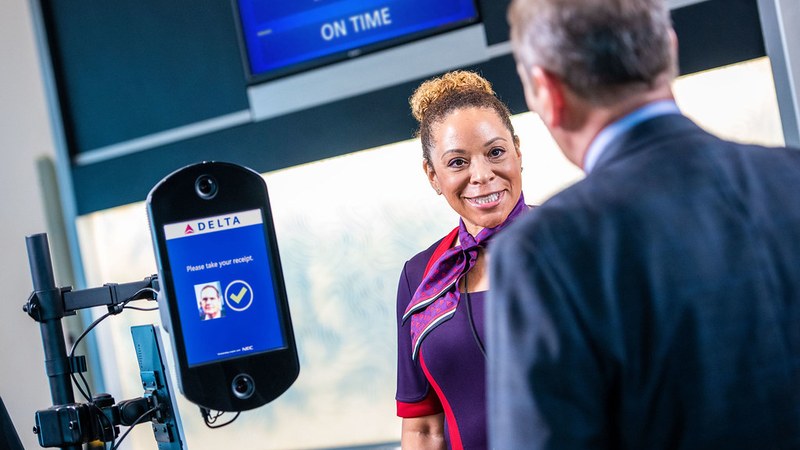
The new border control technology integrates AI tools designed to analyze traveler information swiftly and flag suspicious patterns that may require further manual review. These systems utilize biometric data, document verification, and behavior analysis to strengthen security frameworks. Although this approach aims to streamline passenger flow overall, the initial adaptation phase often entails adjustments to operational workflows at border
checkpoints.
Preparing for Summer 2026 Travel to Europe
As Europe approaches the Summer 2026 travel peak, the AI-powered border systems are expected to be operational in multiple major hubs. Given this, U.S. outbound travelers should:
Arrive at airports earlier than usual to accommodate potential processing delays. Ensure all travel documentation, including passports and visas if applicable, are up to date and ready for inspection. Stay informed about airline and airport advisories concerning check-in and boarding procedures.
Such preparation can help mitigate stress and reduce the impact of the stricter entry protocols.
Broader Context: Europe’s Commitment to Enhanced Border Security
Europe’s adoption of AI-based border controls reflects a growing global trend toward incorporating advanced technology into border management. Governments aim to maintain security without sacrificing efficiency, especially given the high volume of tourists and business travelers entering Europe annually. While AI can identify
potential threats faster than traditional methods, it also raises questions about privacy, data security, and operational transparency that continue to be discussed among policymakers and travelers alike.
Challenges in Transitioning to AI-Powered Systems
The rollout of AI-driven border technology is a complex process requiring coordination between national authorities, airport operators, and technology providers. Early stages of implementation often involve system testing and staff training, which can cause temporary disruptions. Travelers should be aware that these transitional inefficiencies are a normal part of adopting new security paradigms and should allow flexibility in their travel itineraries.
Key Takeaways for U.S. Travelers and Travel Professionals
In light of the emerging AI border systems in Europe, U.S. travelers
are advised to prepare for enhanced security checks and the potential for extended wait times at entry points throughout Summer 2026. Travel agents, tour operators, and airline carriers should also update their guidance to clients to reflect these changes. Clear communication will be critical to managing traveler expectations and minimizing disruptions during this adjustment period.