FAA Ground Stops Triggered by Severe Thunderstorms in Texas
Dallas-Fort Worth International Airport (DFW) has recently faced significant operational challenges due to severe thunderstorms affecting the region. In response to deteriorating weather conditions, the Federal Aviation Administration (FAA) implemented ground stops, temporarily halting departures and arrivals to ensure safety. These ground stops represent a critical safety protocol aimed at managing air traffic flow in hazardous weather.
The severe thunderstorms are part of an intense weather system affecting North Texas, characterized by high winds, lightning, heavy rainfall, and reduced visibility. All these factors complicate airport operations and air traffic control, compelling the FAA to act cautiously to prevent any risk
to aircraft and passengers.
Impact on Major U.S. Airlines and Flight Operations
The ripple effects of this weather disruption have been felt extensively across the U.S. airline network, particularly impacting airlines with major hubs or significant operations at Dallas-Fort Worth, including American Airlines, Southwest Airlines, United Airlines, and Delta Air Lines.
American Airlines, in particular, has reported severe travel disruptions with numerous flight delays and cancellations. As the largest carrier operating out of DFW, disruptions at this airport propagate through its network, affecting both domestic and international itineraries. Southwest Airlines, with a notable presence in Texas airports, has also faced challenges adapting to the changing conditions.
Passengers flying
through DFW are experiencing extended waiting periods at terminals and gates due to the backlog caused by the ground stops. Connections throughout the U.S. and beyond have seen knock-on effects, forcing travelers to adjust plans and endure unexpected delays.
Traveler Considerations Amid Ongoing Weather Disruptions
Travelers planning to pass through Dallas-Fort Worth airports should remain alert to possible changes in their travel itinerary. Airlines are advising passengers to check flight statuses frequently and anticipate extended delays or cancellations, especially for flights scheduled during periods of active thunderstorms.
Those booked on carriers like American Airlines, Southwest, United, and Delta should prepare for the likelihood of rebookings, longer
wait times at the airport, and potential disruptions to connecting flights. It is advisable for travelers to have contingency plans and remain flexible with travel arrangements.
Airport staff at DFW have been working diligently to manage large crowds and provide assistance amid high passenger volumes. While safety protocols remain the priority, operational complexity from the weather event continues to impact overall airport throughput.
Broader Implications for U.S. Air Travel Network
The situation at Dallas-Fort Worth highlights how severe weather in a major hub can disrupt the broader U.S. air travel system. Given DFW’s role as a central connecting point domestically and internationally, the FAA’s decision to issue
ground stops affects a range of itineraries beyond the local region.
Flight cancellations and delays not only inconvenience individual passengers but can also impose logistical challenges on carriers managing aircraft rotations, crew assignments, and gate availability. The complex interactions within airline schedules mean that disruptions can cascade, stressing airport infrastructure and customer service resources.
Understanding how weather influences airport operations reinforces the importance of coordinated responses by aviation authorities and carriers to minimize the impact on travelers and maintain safety standards.
Image Attribution
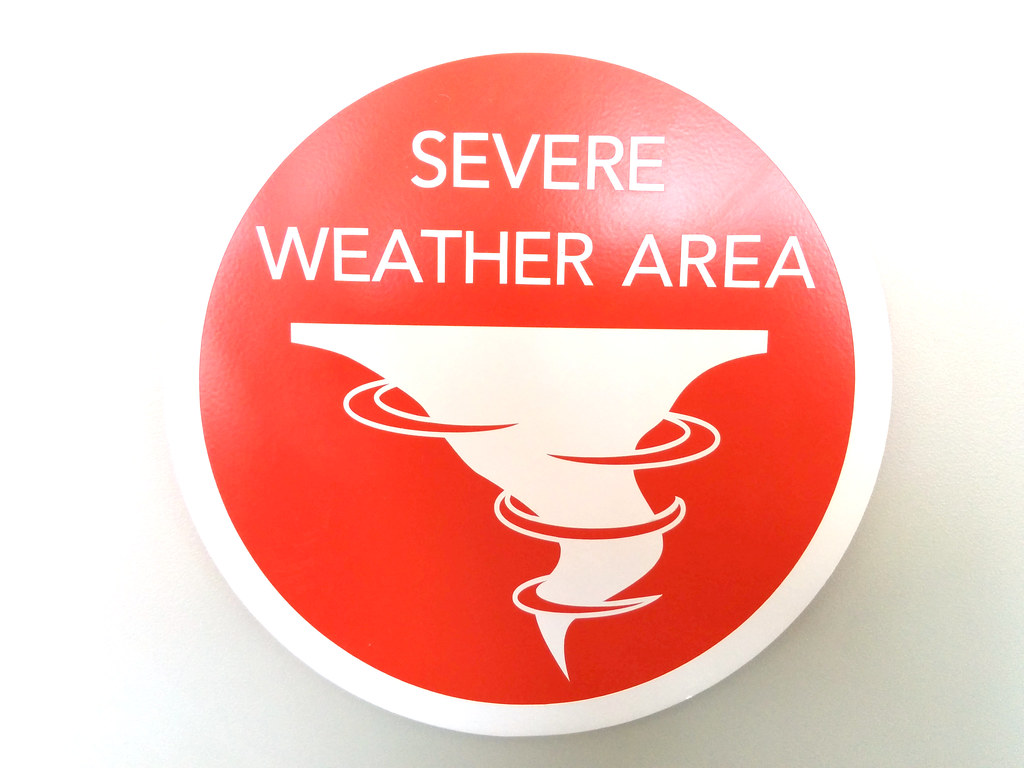
The accompanying featured image shows a Severe Weather Area sign at Dallas Fort Worth Airport, conveying the context of
current operational conditions. Photo credit belongs to gruntzooki, licensed under CC BY-SA 2.0 via Flickr.