Cruise Ship Docked at Rotterdam Amid Hantavirus Outbreak
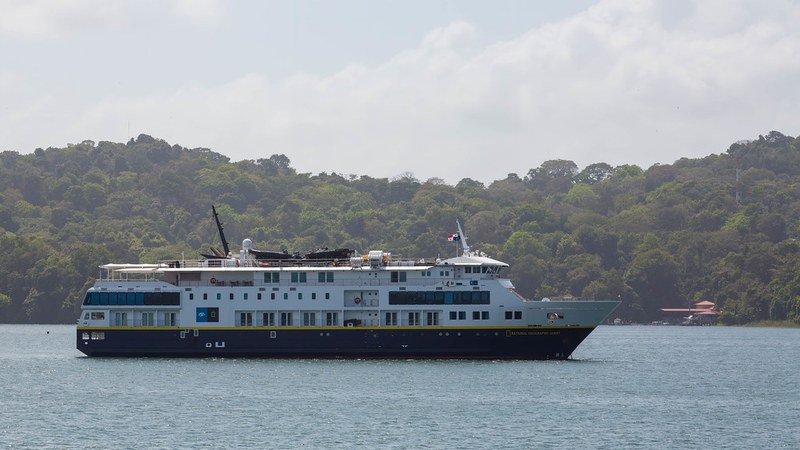
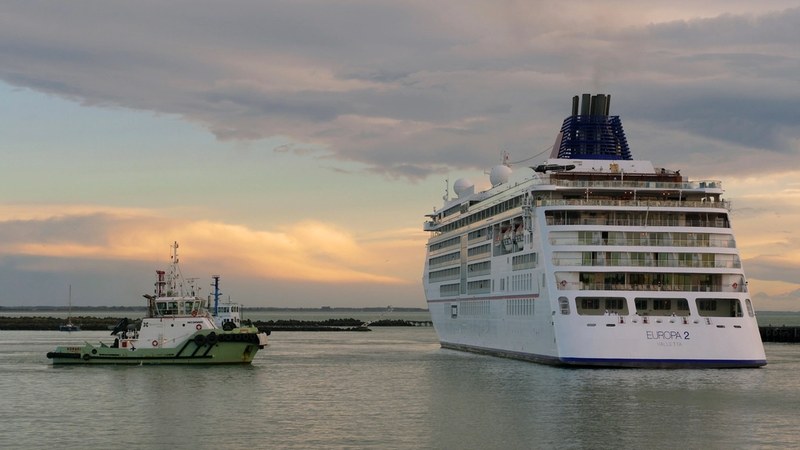
A cruise ship recently docked at the Port of Rotterdam after confirmed reports of a hantavirus outbreak onboard. The incident has drawn significant international attention, prompting swift action from both local port authorities and U.S. health officials. As concerns over the transmission of the virus grew, the ship became subject to rigorous disinfection procedures in line with heightened health and safety protocols.
While hantavirus outbreaks linked to cruise settings are uncommon, the fatal nature of this particular incident has underscored vulnerabilities in health safety on vessels operating on international waters. Rotterdam’s port authorities, known for their comprehensive health protocols, have
mobilized specialized teams to carry out ship-wide decontamination in an effort to curb any further risk to passengers, crew, and port workers.
Increased Health Screenings and Quarantine Mandates by U.S. Officials
Following the docking and disinfection activity in Rotterdam, U.S. public health agencies have responded by imposing quarantine orders on certain passengers who disembarked from the affected cruise ship. Two individuals identified as potential carriers of hantavirus were placed under health quarantine to prevent possible domestic transmission.
These measures reflect a cautious approach amid ongoing investigations into the outbreak’s reach and impact. Although the exact number of passengers affected has not been disclosed, the situation has prompted a broader
review of health monitoring measures applicable to cruise travelers returning to the United States from international ports.
Rotterdam Port Protocols and Cruise Ship Disinfection Practices
The Port of Rotterdam has long prioritized comprehensive health and safety standards, and in response to this event, local authorities intensified their protocols. The disinfection process involved thorough sanitization of communal areas, cabins, and vessel systems following guidelines designed to mitigate viral transmission risks in maritime environments.
Such protocols include not only chemical disinfection but also controlled access to the ship during and after cleaning operations. Rotterdam’s capacity as one of Europe’s largest ports has facilitated an effective logistical response, combining port-level expertise
with international health advisories to manage the outbreak and assist in containment efforts.
Implications for U.S. Travelers and Future Cruise Embarkations
For U.S. travelers considering cruise vacations, the hantavirus outbreak serves as a reminder of the potential health risks associated with cruise travel amid emerging infectious diseases. Health authorities suggest that passengers remain vigilant, especially when sailing on ships that have had recent exposure to confirmed infectious disease cases.
Passengers are advised to stay informed about health advisories issued by cruise lines and port authorities. Enhanced screening, including health questionnaires and temperature checks, may become more commonplace at embarkation points. Additionally, travelers should be prepared for the possibility
of quarantine or extended health monitoring if exposed to similar outbreaks.
While cruise lines continue to adopt more stringent hygiene and infection prevention protocols, the recent hantavirus incident emphasizes the importance of proactive health measures to protect both passengers and crew.
The unfolding situation surrounding the hantavirus outbreak on the cruise ship at Rotterdam port illustrates the complex interplay between maritime travel and public health management. Authorities on both sides of the Atlantic remain focused on containment and prevention as they monitor developments closely.