Record Cruise Demand Reported by Cruise Lines International Association
The Cruise Lines International Association (CLIA) has announced a remarkable surge in global cruise demand, signaling a notable rebound in the cruise industry’s recovery efforts. This surge is influencing key U.S. cruise gateways, particularly prominent ports such as those in New York and Miami. The increased passenger interest marks a significant milestone as the global cruise industry continues to navigate post-pandemic dynamics and evolving travel preferences.
Impact on Major U.S. Cruise Ports
New York and Miami, two of the busiest cruise hubs in the United States, are experiencing unprecedented activity levels as a direct result of growing cruise bookings. Both ports are logistical focal points for
numerous global cruise lines, facilitating extensive itineraries that attract a large share of international and domestic travelers alike.
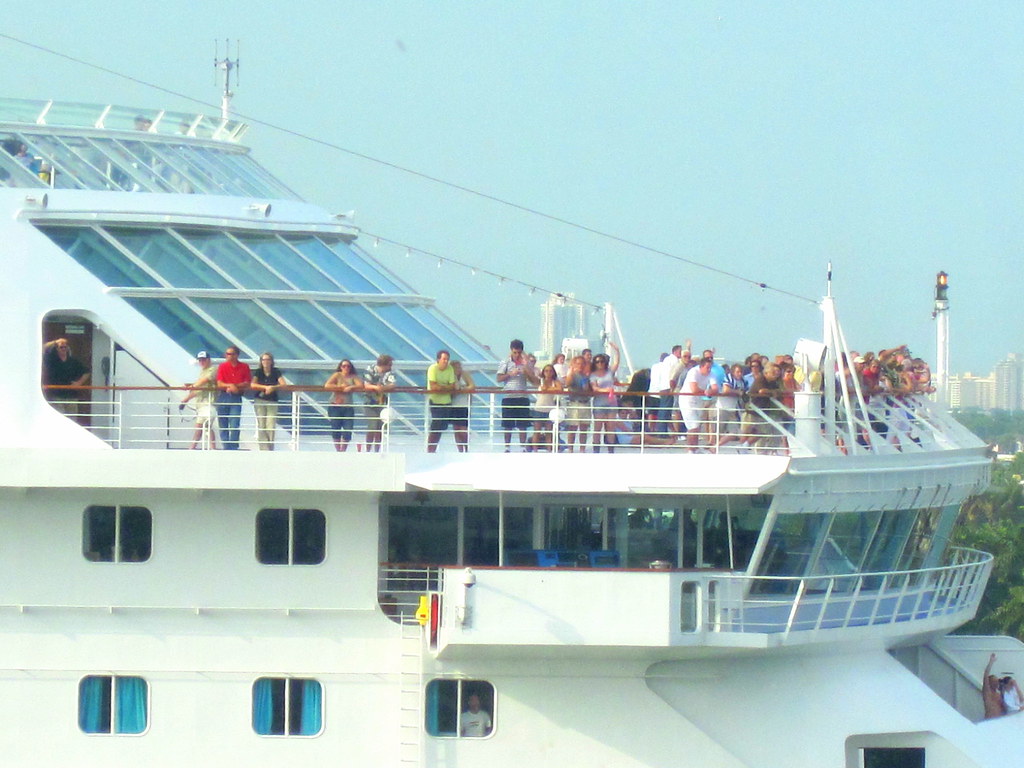
This intensified demand is resulting in more crowded terminals and amplified operational tempo. Cruise operators and port authorities are coordinating to accommodate the influx while maintaining efficient embarkation and disembarkation processes. These conditions illustrate the ongoing effort to keep pace with demand while ensuring smooth passenger experiences.
Health Alerts Amid Rising Cruise Popularity
While the surge in cruise bookings presents a promising outlook for the sector, there remain active health warnings related to concerns over viruses such as hantavirus and norovirus. These health advisories continue to be relevant,
emphasizing that heightened vigilance and preventive measures remain crucial onboard cruise ships and at port facilities.
Health authorities encourage travelers to stay informed about these alerts, which pertain to possible symptoms and transmission risks that could affect cruise vacations. Operators are also implementing health protocols aimed at minimizing potential outbreaks, reflecting an ongoing commitment to passenger well-being.
Relevance for U.S. Travelers Planning Cruises
For U.S. travelers considering cruise vacations, the convergence of increased passenger volumes and existing health alerts represents an important context. Passengers can expect more vibrant activity at embarkation points, which may translate to longer waits and busier terminals.
Awareness of current health warnings
is advisable when arranging travel plans. Travelers should consider routine hygiene practices and review the latest guidance issued by health agencies and cruise lines to safeguard their health during their journeys.
Industry and Tourism Business Implications
The intensified cruise demand reported by CLIA holds substantial implications for the broader travel industry and related tourism businesses, especially in coastal cities housing major cruise terminals. Increased cruise activity generates downstream economic benefits spanning hospitality, retail, transportation, and local attractions.
Businesses positioned near key U.S. cruise ports are experiencing renewed commercial momentum, tied to amplified visitor foot traffic and cruise passenger spending. This development supports efforts to revitalize
maritime tourism economies that had faced setbacks in previous years.
Moreover, the industry’s continued focus on health safety protocols underscores the critical balance between growth ambitions and responsible travel management in the ongoing recovery phase.
Outlook for the Global Cruise Industry
The surge in global cruise demand reflects a positive trajectory for the cruising sector following significant disruptions. CLIA’s data underscores a gradually strengthening market characterized by increased consumer confidence and robust travel interest worldwide.
However, the persistence of health alerts necessitates continued adaptability among cruise lines and port operators to address emerging challenges. This evolving environment shapes operational strategies aimed at sustaining growth while prioritizing
passenger security.
As the cruise sector advances, stakeholders remain attentive to market fluctuations, health developments, and traveler expectations to maintain momentum and reinforce the value proposition of ocean cruising.