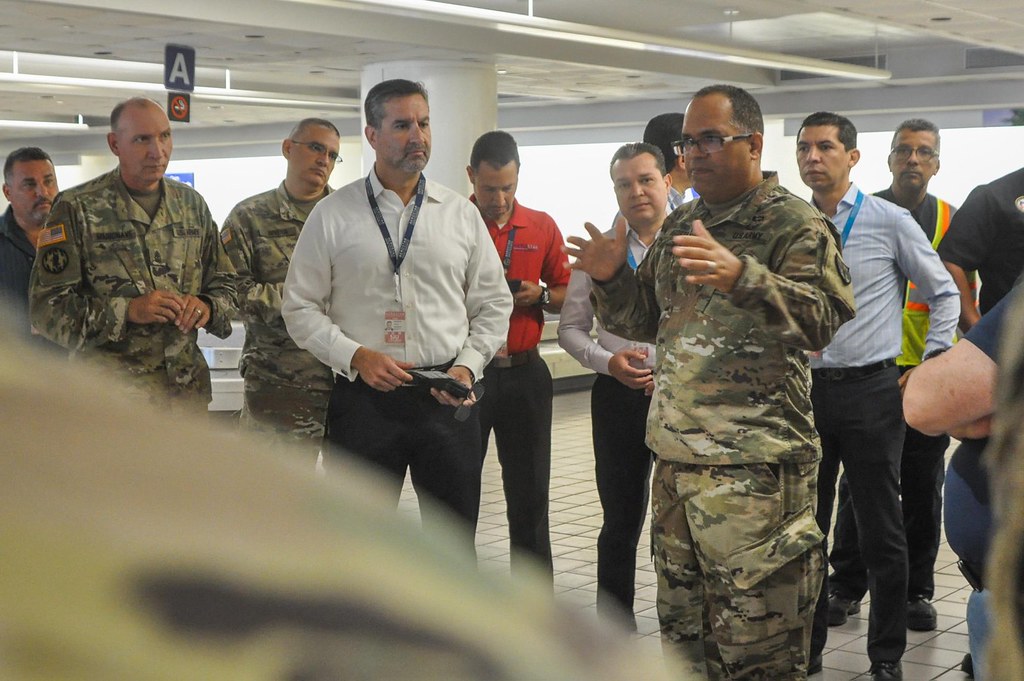
Overview of U.S. Travel Restrictions in Response to Ebola Outbreak
The U.S. Centers for Disease Control and Prevention (CDC) and the State Department have issued updated travel advisories and restrictions in response to the ongoing Ebola outbreak in several Central African countries. These measures include a temporary 30-day travel restriction imposed by the CDC, aimed at minimizing the risk of further spread of the virus and protecting the health of American travelers abroad.
The State Department has also revised its travel advisory levels for affected nations, reflecting the evolving health risks and operational challenges due to the outbreak. This comprehensive approach underscores the U.S. government’s efforts to contain the Ebola
virus while providing guidance to American tourists considering travel to the region.
Navigating CDC Travel Warnings and U.S. Government Advisories
American travelers looking to visit Central Africa must adhere to the new health advisories and travel restrictions that have come into effect. These updates emphasize enhanced health screening procedures at entry and exit points, recommendations to delay non-essential travel, and increased surveillance in areas experiencing viral transmission.
The CDC’s role includes advising on potentially affected areas and recommending precautions such as avoiding contact with individuals showing symptoms related to Ebola, practicing rigorous hygiene measures, and staying informed about local health notifications. Travelers are encouraged to consult the official
U.S. travel advisory platforms for real-time updates on affected countries and outbreak developments.
Implications for American Tourists Planning Central Africa Trips
The Ebola outbreak and subsequent travel restrictions have had considerable impacts on travel plans involving Central Africa. Some Americans have faced cancellations or rerouting of flights, while others report difficulties obtaining travel insurance or securing accommodations due to changing health protocols.
Tour operators and airlines are adapting to the situation by adjusting their services to comply with containment efforts and government regulations. For tourists, this means increased flexibility will be essential when booking travel to the region. Some planned itineraries may require modification or postponement depending on
the outbreak’s progression and governmental guidance.
Key Actions for Travelers Before and During Central Africa Visits
Monitor U.S. State Department and CDC advisories regularly for updates on affected countries. Confirm current travel restrictions directly with airlines and tour providers. Follow recommended health and hygiene protocols to reduce infection risks. Register with the Smart Traveler Enrollment Program (STEP) to receive alerts and assistance overseas. Prepare contingency plans in case travel itineraries must change unexpectedly.
Looking Ahead: Staying Informed and Prepared in a Dynamic Situation
As the situation surrounding the Ebola outbreak in Central Africa continues to evolve, American travelers need to remain vigilant and well-informed. Regular consultation of official U.S. government platforms for travel warnings and health notices will be essential
throughout 2026. Travelers should expect health screenings at airports and border crossings to continue or increase in affected regions, emphasizing the government’s priority on outbreak containment.
In this environment, flexibility and adherence to expert health guidance remain critical components for anyone considering travel to Central Africa. While the ongoing response aims to protect public health, it also highlights the importance of preparedness to navigate potential disruptions and ensure personal safety during travel.