Widespread Flight Disruptions at Major U.S. Airports
Travelers across the United States are facing increased uncertainty and delays in 2026 as multiple key airports continue to experience significant flight delays and cancellations. Airports including San Antonio International, Columbus, Denver, and Chicago have reported substantial disruptions affecting both domestic and international schedules.
Operational Failures Contributing to Flight Interruptions
The persistent flight interruptions have been linked with ongoing airline operational challenges. Several major carriers, including American Airlines, United Airlines, Delta Air Lines, and Southwest Airlines, have reported disruptions that contribute to widespread travel delays and cancellations.
While exact causes behind each flight disruption remain unspecified, industry observers note that factors such as scheduling inefficiencies, crew
availability, and system capacity constraints are frequently cited as contributing elements in operational delays.
Impact Across Multiple Airports
San Antonio International Airport, for example, recorded numerous flight delays alongside multiple cancellations, emphasizing the extent of operational difficulties. Similarly, airports in Columbus, Denver, and Chicago have been significantly affected, creating a ripple effect across the national aviation network.
Technology Shortcomings Amplifying Disruptions
Beyond operational issues, deficiencies in technological infrastructure at these airports are believed to exacerbate flight disruptions. Aging or inadequate air traffic management systems can hinder real-time communication and coordination, leading to bottlenecks in flight processing and ground handling.
Such technological challenges undermine airlines’ ability to respond swiftly
to changing conditions, increasing the likelihood of delays and cancellations that impact passenger itineraries.
Traveler Experience and Response
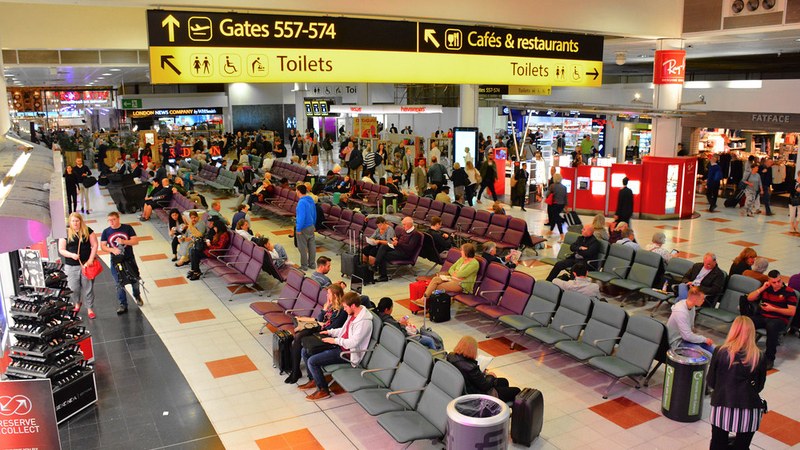
These ongoing disruptions have led to considerable passenger inconvenience, with many travelers facing unexpected wait times, itinerary changes, and challenges in rebooking affected flights. The compounded impact of multiple delays and cancellations places additional pressure on customer service resources and airport facilities.
Travelers planning trips through these airports are advised to monitor airline communications closely, allow for flexible scheduling where possible, and consider contingency arrangements. Proactive engagement with airlines and timely updates can help mitigate the frustration associated with unforeseen disruptions.
Broader Context Within U.S. Aviation
The pattern of flight delays
and cancellations seen in 2026 highlights continuing struggles within the United States aviation sector regarding operational efficiency and technological modernization. While the industry continues to recover from disruptions experienced in previous years, persistent issues demonstrate the need for strategic improvements.
Investment in upgraded technology platforms, enhanced operational planning, and greater coordination among airlines and airport authorities are critical to reducing passenger disruption and improving overall system resilience.
Looking Ahead: Preparing for Future Travel
As these challenges persist, travelers and industry stakeholders alike are adjusting strategies to cope with the evolving situation. Airlines may implement revised crew scheduling models and contingency protocols, while airports explore opportunities to
modernize infrastructure and streamline processes.
For American travelers, this means ongoing vigilance and an adaptive approach to travel planning will be essential throughout 2026 and beyond. Remaining informed and flexible remains the best strategy in navigating the current environment of U.S. airport flight delays.